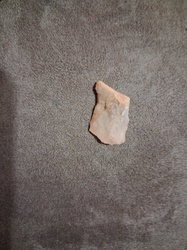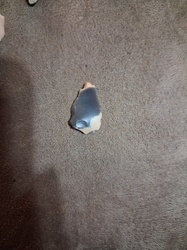
AI identification & appraisal estimate

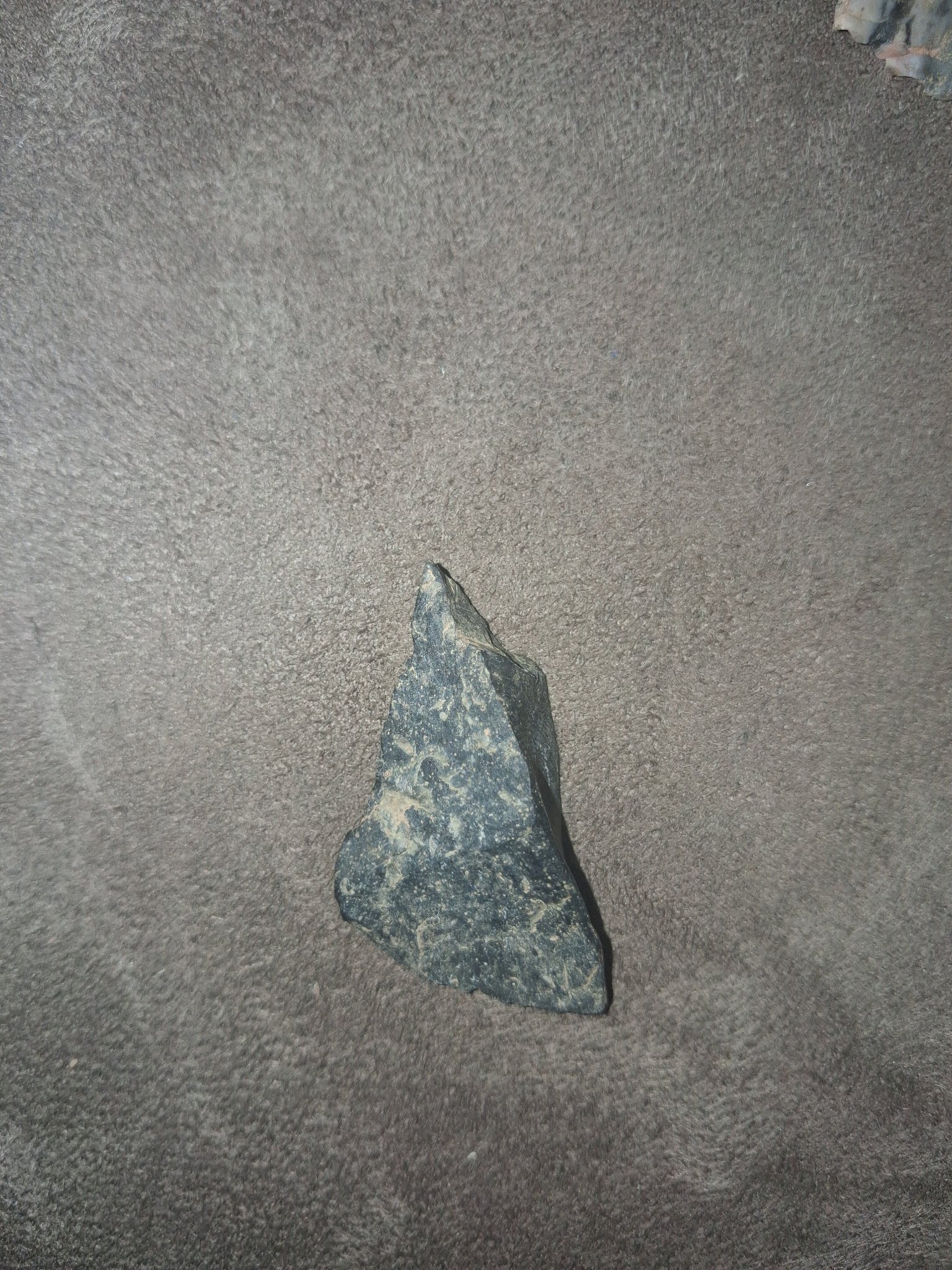
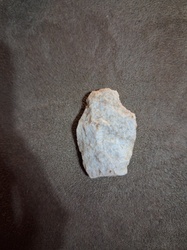
Knapped stone flake tool

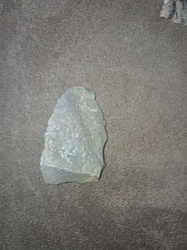
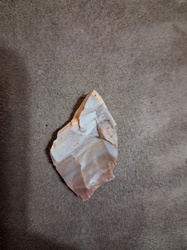
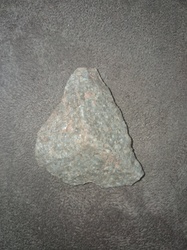
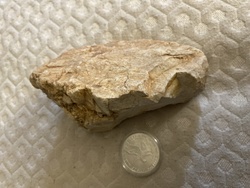
Submitted photo of Knapped stone flake tool
Photo submitted by the user — not generated by AI

AI Estimated Value

Not an official valuation

$25-75

AI estimate as of September 20, 2026 · verify with a professional before acting

AI-Generated · Verify before acting

Everything on this page is generated by AI for informational purposes only. AI can make mistakes — the AI may misidentify items or misattribute them (artist, maker, brand, designer, origin, era). This is not an official valuation and should not be used for insurance, sale, tax, estate, legal, or lending purposes — or any decision requiring a certified appraisal. It is not an authoritative claim about any person, brand, or rights holder — do not share or rely on it as a factual statement about a third party. Always consult qualified professionals before making financial decisions.

Read the full disclaimer

AI Item Analysis

The item presented is a dark-colored, finely grained stone object featuring a distinctly triangular or pointed morphology suggestive of lithic reduction techniques. Measuring visually as a small to medium lithic fragment, the material appears to be a dark basalt, chert, or similar dense cryptocrystalline silicate rock commonly utilized in prehistoric tool manufacture. The surface texture is rough and matte, displaying uneven facets along the edges that may indicate conchoidal fracturing typical of human knapping processes, though natural geological fracturing can produce similarly angular shapes. There are no visible maker's marks, signatures, or stamped inscriptions present on the surface. The edges show various micro-chipping and weathering patterns consistent with prolonged environmental exposure and potential handling, but without physical tactile and microscopic analysis, any claim of deliberate human modification or artifact status remains entirely unverified. The item exhibits signs of natural oxidation and earthen residue clinging to the recesses. Based purely on visual inspection of the form, it shares characteristics with unpolished flake tools or debitage from lithic reduction sequences, potentially associated with indigenous stone tool industries, but age and provenance cannot be determined from this photograph alone.
AI Appraisal Report

Based on what I can see in the photograph, the object presents a dark-colored, triangular morphology that resembles a knapped stone flake tool or debitage. The surface texture appears rough and matte, featuring uneven edges that could be consistent with conchoidal fracturing. However, I can't verify from a photo whether these characteristics are the result of deliberate human modification or purely natural geological processes. I would need physical inspection and microscopic analysis to confirm artifact status. Assuming this hypothetical attribution is correct and the piece represents an authentic prehistoric lithic tool, items of this modest type typically trade within a low commercial range due to the commonality of unprovenanced surface finds and debitage. Market demand for such unassociated archaeological fragments is generally niche, largely driven by amateur collectors or educational displays rather than high-end antiquities investors. If the object were to turn out to be a modern reproduction, replica, or natural geofact lacking any ancient human agency, its monetary value would drop to negligible novelty or study-set levels, likely under $10. To establish any level of certainty regarding its age, material source, and cultural context, a comprehensive in-person examination by a qualified lithic specialist or archaeologist, coupled with established provenance documentation, would be required.

Keep exploring

More archaeological artifacts appraisals

Get your items appraised

Instant AI-powered appraisal estimates from a photo

Browse More Appraisals