AI Appraisal Estimate

AI-generated estimates · not official valuations

From the user

What was submitted

Photo and notes provided by the user — not generated by AI

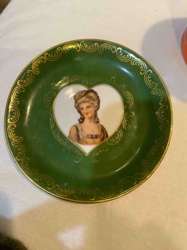
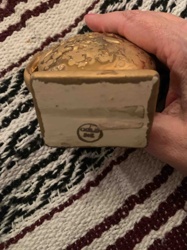
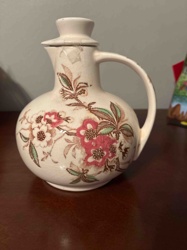
Submitted item photo
Submitted photo · June 23, 2026

User's notes

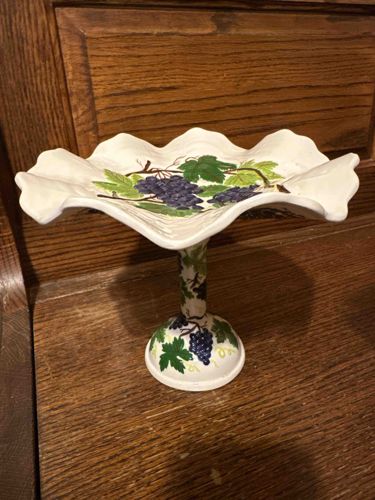
Ceramic upright dish with wavy rim and grape design on base and on the inside and outside of the dish

AI analysis below

AI appraisal

AI analysis & estimate

AI-Generated · Verify before acting

Everything below is generated by AI for informational purposes only. AI can make mistakes — the AI may misidentify items or misattribute them (artist, maker, brand, designer, origin, era). This is not an official valuation and should not be used for insurance, sale, tax, estate, legal, or lending purposes — or any decision requiring a certified appraisal. It is not an authoritative claim about any person, brand, or rights holder — do not share or rely on it as a factual statement about a third party. Always consult qualified professionals before making financial decisions.

Note

This analysis also relies on unverified notes provided by the user, which may be incomplete or inaccurate and could affect the result.

Read the full disclaimer

AI Identification

·Not independently authenticated·Verify before acting

Majolica-Style Grape Vine Footed Compote

Antique & Vintage Decorative Ceramics

AI Estimated Value

·Not an official valuation·Verify before acting

$45.00 - $65.00

As of June 23, 2026

AI Item Analysis

·AI can make mistakes·Verify before acting
This item is a decorative footed ceramic compote or pedestal dish featuring a distinctive ruffled or wavy rim. The piece is constructed from earthenware or glazed ceramic with a prominent creamy white base glaze. The decorative motif consists of hand-painted or transfer-applied grape clusters in shades of deep purple and indigo, accompanied by vibrant green serrated leaves and brown vinery. These motifs are repeat-patterned across the interior bowl, the cylindrical stem, and the domed pedestal base, providing a cohesive aesthetic. The bowl has a dramatic, undulating fluted edge that suggests a Mid-to-Late 20th-century interpretation of classic Italian or Portuguese Majolica pottery. In terms of condition, the glaze appears glossy with no immediate signs of heavy crazing or structural cracks visible, though some minor surface abrasions and light shelf wear on the bottom ring of the base are to be expected. The craftsmanship indicates a commercial production likely intended for decorative kitchenware or as a centerpiece service item. The style is rustic yet refined, typical of Mediterranean-inspired earthenware popularized in the 1970s through the 1990s.
AI Appraisal Report

·AI can make mistakes·Verify before acting
Based on my visual examination of this ceramic footed compote, I have identified it as a mid-to-late 20th-century decorative piece executed in the Majolica tradition. The high-gloss glaze and specific application of the grape and vine motif suggest production likely originating from Italy or Portugal, regions known for mass-exporting this style during the 1970s through the 1990s. The condition appears excellent; the vibrancy of the purple pigments and the structural integrity of the fluted rim indicate it has been well-maintained, likely serving as a centerpiece rather than a high-use utility item. Market demand for this specific aesthetic remains stable among collectors of 'Grandmillennial' and rustic Mediterranean decor, though values are capped by the item's commercial production origins. Comparables for similar unattributed European earthenware typically realize between forty and sixty dollars in secondary markets. A primary factor limiting the value is the lack of a visible maker's mark (such as Bassano or Bordallo Pinheiro), which prevents attribution to a specific prestigious studio. Please note that this appraisal is based on photographic evidence. Without a physical inspection, I cannot definitively rule out minor 'flea bites' in the glaze or internal stress fractures. A full authentication would require an in-person examination of the foot rim to check for clay composition and porousness, as well as the verification of any stamped or incised signatures on the underside of the pedestal.

Get your items appraised

Instant estimates of your treasures with AI-powered appraisals

Browse More Appraisals