AI Appraisal Estimate

AI-generated estimates · not official valuations

From the user

What was submitted

Photo and notes provided by the user — not generated by AI

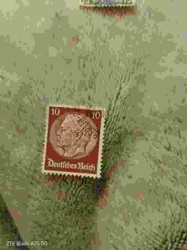
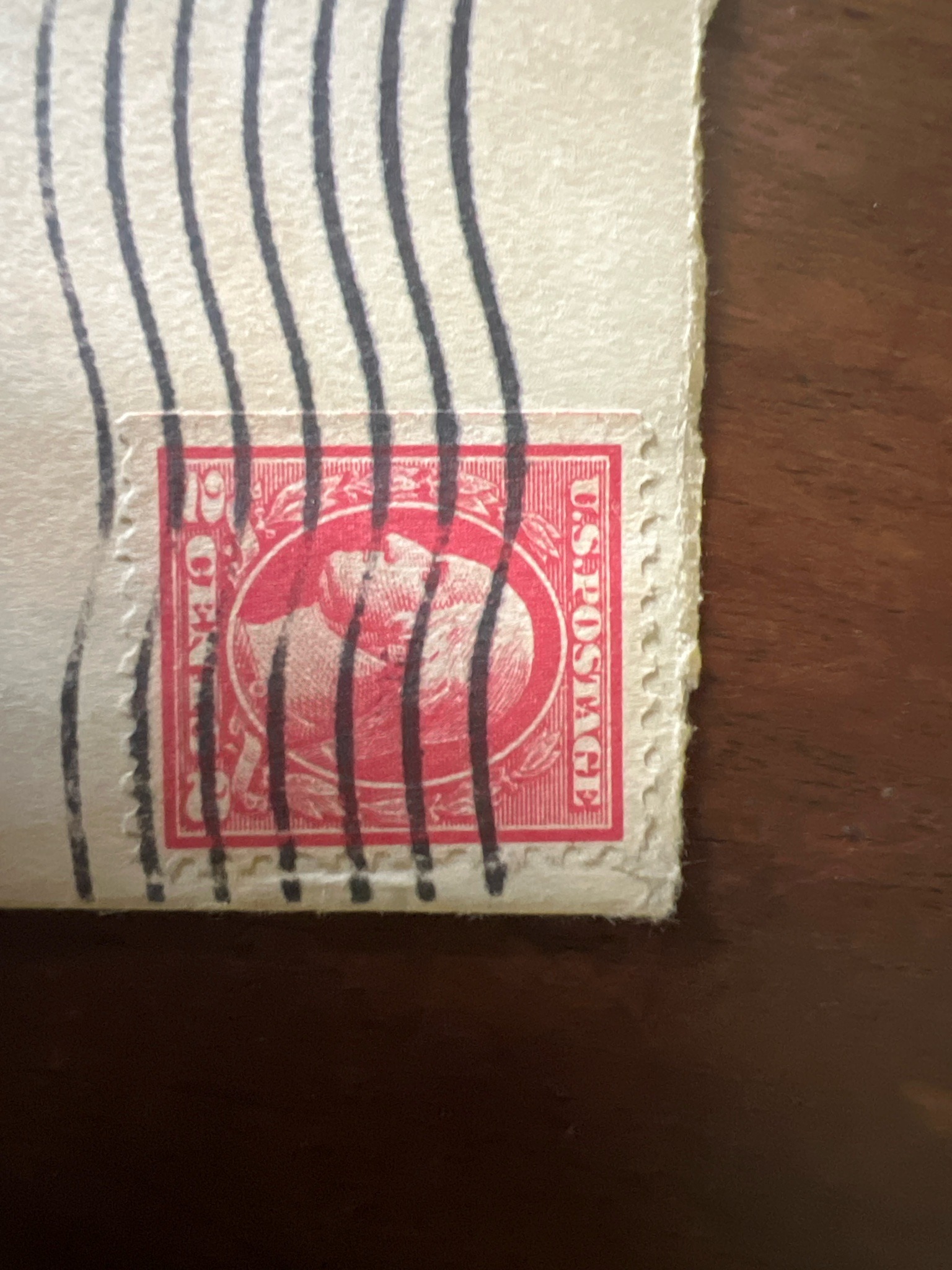
Submitted item photo
Submitted photo · May 28, 2026

User's notes

No additional notes provided.

AI analysis below

AI appraisal

AI analysis & estimate

AI-Generated · Verify before acting

Everything below is generated by AI for informational purposes only. AI can make mistakes — the AI may misidentify items or misattribute them (artist, maker, brand, designer, origin, era). This is not an official valuation and should not be used for insurance, sale, tax, estate, legal, or lending purposes — or any decision requiring a certified appraisal. It is not an authoritative claim about any person, brand, or rights holder — do not share or rely on it as a factual statement about a third party. Always consult qualified professionals before making financial decisions.

Read the full disclaimer

AI Identification

·Not independently authenticated·Verify before acting

Used Washington 2-Cent Red US Postage Stamp

Philately / Postage Stamps

AI Estimated Value

·Not an official valuation·Verify before acting

$0.05 - $0.25

As of May 28, 2026

AI Item Analysis

·AI can make mistakes·Verify before acting
A used US Postage stamp, likely from the early 20th century, specifically part of the Washington-Franklin series. This small rectangular stamp is printed in a carmine or reddish-pink ink and features a left-facing profile of George Washington within a circular frame, set against a background of laurel leaves. The text 'U.S. POSTAGE' is printed vertically along the right side, with the denomination '2 CENTS' visible on the left. The stamp has been cancelled by a machine-applied black wave killer-bar postmark, signifying it was processed through the mail system. Physically, the stamp shows visible perforations along all four edges, although the centering appears slightly off, shifted toward the right side. It is adhered to an ivory or cream-colored paper fragment, which appears to be a portion of an original mailing envelope. The paper shows rough, torn edges on the top and right side, consistent with a cut-out or piece of stationery. There is noticeable yellowing or age-related toning to the paper and the stamp itself, along with minor creases and wear to the paper base. The engraving quality is typical of the early 1900s flat-plate or rotary printing processes used by the Bureau of Engraving and Printing.

AI Appraisal Report

·AI can make mistakes·Verify before acting
I have examined the digital representation of this 2-cent red George Washington stamp, a classic example of the Washington-Franklin series produced by the Bureau of Engraving and Printing. Based on the profile and vertical 'U.S. POSTAGE' lettering, this is likely a Scott #406 or #499 (if flat plate) or a #527 (if offset), commonly issued between 1912 and 1920. The stamp shows a standard wave-line machine cancellation and sits on an original envelope fragment (on piece). Condition-wise, the centering is noticeably 'fine' to 'average,' with the design shifted toward the right perforations. The visible yellowing and toning are typical for the era but do suggest minor environmental degradation. From a market perspective, these stamps were printed by the billions to meet the standard first-class letter rate of the early 20th century. Because so many were saved, they remain ubiquitous in the philatelic market today. The item lacks rarity; comparable used specimens are frequently sold in bulk or 'penny boxes' at stamp shows. The value resides more in its historical charm than financial scarcity. Limitations: A definitive identification requires measuring the perforations with a physical gauge and examining the paper for watermarks (single or double line 'USPS') or determining the printing method (flat plate vs. rotary press) which affects specific Scott catalogue numbering. Without a physical inspection or a high-resolution scan of the back, I cannot verify the presence of a watermark or hidden repairs. Full authentication would require a professional expertizing certificate from a body like the PF or PSE, though the fees for such a service would vastly exceed the intrinsic value of this specific specimen.
Get your items appraised

Instant estimates of your treasures with AI-powered appraisals

Browse More Appraisals