AI Appraisal Estimate

AI-generated estimates · not official valuations

From the user

What was submitted

Photo and notes provided by the user — not generated by AI

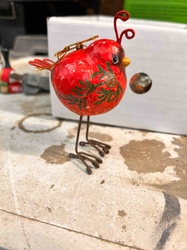
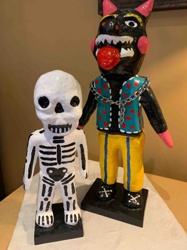
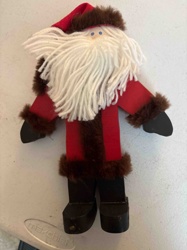
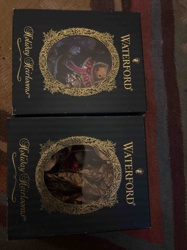
Submitted item photo
Submitted photo · June 25, 2026

User's notes

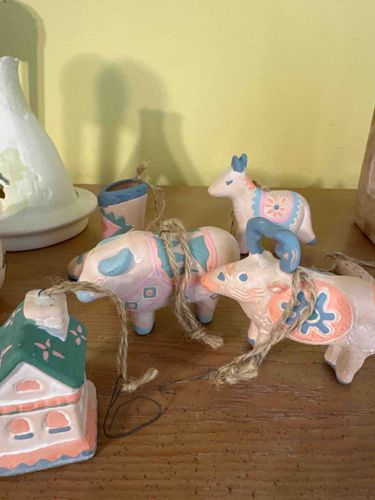
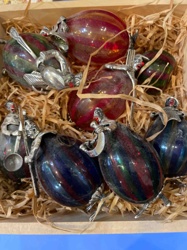
Mexican style figurines for Christmas tree ornaments

AI analysis below

AI appraisal

AI analysis & estimate

AI-Generated · Verify before acting

Everything below is generated by AI for informational purposes only. AI can make mistakes — the AI may misidentify items or misattribute them (artist, maker, brand, designer, origin, era). This is not an official valuation and should not be used for insurance, sale, tax, estate, legal, or lending purposes — or any decision requiring a certified appraisal. It is not an authoritative claim about any person, brand, or rights holder — do not share or rely on it as a factual statement about a third party. Always consult qualified professionals before making financial decisions.

Note

This analysis also relies on unverified notes provided by the user, which may be incomplete or inaccurate and could affect the result.

Read the full disclaimer

AI Identification

·Not independently authenticated·Verify before acting

Set of Mexican Terracotta Figurative Christmas Ornaments

Holiday Ornaments / Mexican Folk Art

AI Estimated Value

·Not an official valuation·Verify before acting

$25-$45

As of June 25, 2026

AI Item Analysis

·AI can make mistakes·Verify before acting
This set consists of five hand-painted terracotta figurines designed as Christmas tree ornaments, showcasing a distinct Mexican folk art influence. The group includes three zoomorphic figures representing livestock (likely a bull, a pig, and a goat/donkey), a small house, and a miniature boot. The pieces are crafted from earthenware clay and finished with a matte, chalky slip paint. The color palette is composed of soft pastel tones, primarily terracotta pink, teal green, dusty blue, and white. Each piece is decorated with simplified, hand-applied geometric and floral patterns, such as the starbursts on the house roof and the circular motifs on the animals' flanks. The construction is solid yet primitive, with wire loops embedded in the clay and tied with rough jute twine for hanging. The style suggests late 20th-century production, likely from the 1980s or 1990s, intended for the export or tourist market. In terms of condition, the pieces show evidence of use including light surface scuffing and minor pigment loss, which is typical for unglazed matte terracotta. There is a visible crack or repair on the horn/ear of the foremost animal figure, and the jute twine shows some fraying. The craftsmanship reflects rustic, artisanal handwork rather than mass-produced precision, giving the set a charming, folk-aesthetic appeal.
AI Appraisal Report

·AI can make mistakes·Verify before acting
I have examined the provided images of this five-piece set of Mexican terracotta Christmas ornaments. These pieces, featuring zoomorphic and architectural forms, are characteristic of late 20th-century (circa 1980-1995) Mexican artisanal pottery produced for the decorative export market. The use of matte, pastel slip paints and simplified geometric motifs is consistent with regional folk art traditions intended for casual holiday use. Based on visual inspection, the condition is fair to good. I note significant surface abrasions, minor pigment loss, and a visible structural crack on the horn of one animal figure, which is a common vulnerability in low-fire earthenware. The jute twine exhibits age-appropriate fraying. While charming, these are not high-collector-grade pieces by known master ceramists; they represent the 'tourist' or 'gift ware' tier of folk art. Market demand for vintage Mexican holiday decor remains steady, though these items are not rare. Similar sets frequently appear on secondary platforms for modest prices. Factors limiting value include the noted damage and the lack of a known artisan's signature. This appraisal is based on photographic evidence alone, which limits my ability to detect internal fractures or modern chemical sealant applications. A physical inspection would be required to rule out contemporary reproductions using older molds. Provenance, such as original retail packaging from known folk-art importers (e.g., Pier 1 or regional specialty boutiques of the era), would provide more definitive dating but would not significantly alter the valuation given the condition issues.

Get your items appraised

Instant estimates of your treasures with AI-powered appraisals

Browse More Appraisals