AI Appraisal Estimate

AI-generated estimates · not official valuations

From the user

What was submitted

Photo and notes provided by the user — not generated by AI

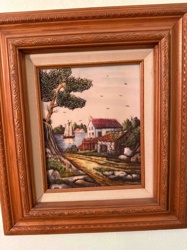
Submitted item photo
Submitted photo · June 23, 2026

User's notes

No additional notes provided.

AI analysis below

AI appraisal

AI analysis & estimate

AI-Generated · Verify before acting

Everything below is generated by AI for informational purposes only. AI can make mistakes — the AI may misidentify items or misattribute them (artist, maker, brand, designer, origin, era). This is not an official valuation and should not be used for insurance, sale, tax, estate, legal, or lending purposes — or any decision requiring a certified appraisal. It is not an authoritative claim about any person, brand, or rights holder — do not share or rely on it as a factual statement about a third party. Always consult qualified professionals before making financial decisions.

Read the full disclaimer

AI Identification

·Not independently authenticated·Verify before acting

Modern Egyptian Papyrus Painting

Fine Art / Decorative Art

AI Estimated Value

·Not an official valuation·Verify before acting

$75 - $150

As of June 23, 2026

AI Item Analysis

·AI can make mistakes·Verify before acting
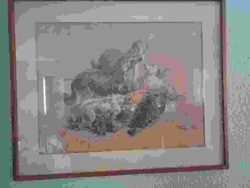
This item is a contemporary Egyptian papyrus painting depicting a scene inspired by ancient Egyptian mythology, likely featuring a goddess like Nut or a queen receiving offerings from the tree of life. The artwork is executed on a textured papyrus substrate, characterized by its distinctive interlocking fibrous structure and light tan hue. The central figures are rendered in a profile view with traditional Egyptian iconography, featuring heavy black wigs, elaborate beaded collars (wesekh) in shades of blue and gold, and patterned robes. They are shown interacting with a stylized sycamore tree that bears red fruit and has arms emerging from its branches to offer cups. The color palette includes vibrant reds, golds, and blacks, appearing to be applied through a combination of screen printing and hand-painting techniques. The piece is housed in a carved wooden frame with a metallic gold finish, featuring a ribbed profile and 'X' cross motifs at intervals. The condition is generally good, though there is some minor warping of the papyrus sheet typical of the material, and the frame shows light surface wear and dust. A small, illegible signature or stamp is visible in the lower left corner of the papyrus artwork. This piece is likely a mid-to-late 20th-century souvenir or decorative art piece, common in the Egyptian tourist trade, designed to replicate the aesthetic of tomb and temple reliefs.
AI Appraisal Report

·AI can make mistakes·Verify before acting
I have conducted a visual examination of this contemporary Egyptian papyrus painting depicting a mythological scene involving the tree of life. My assessment indicates this is a high-quality decorative souvenir produced in the mid-to-late 20th century. The substrate shows the characteristic fibrous irregularities of genuine Cyprus papyrus, though the pigment application—specifically the consistency of the gold and the sharp outlines—suggests a base of screen-printing (serigraphy) finished with hand-painted details. This was a standard production method for the high-end tourist market in Cairo. The condition is good, with typical minor undulation of the organic support and light wear to the gold-finished frame. Market value for these pieces is driven strictly by decorative appeal rather than fine art rarity. This is a mass-produced item designed for the souvenir trade; thousands were exported or sold to travelers during the 1970s and 80s. Comparable sales in online auctions and estate markets consistently fall within the $50 to $150 range depending on size and framing quality. Significant value increases would require evidence of a known artist's signature (such as Ragab) or documented provenance from a prestigious collection. Because this examination is based on images alone, I cannot definitively confirm the chemical composition of the pigments or determine if the papyrus is aged or artificially distressed. A physical inspection would be required to verify the absence of modern synthetic adhesives or digital printing artifacts. Furthermore, testing the frame for wood species and checking for an artist's seal under UV light would provide a more precise dating of the work.

Get your items appraised

Instant estimates of your treasures with AI-powered appraisals

Browse More Appraisals