AI estimate as of November 30, 2025 · verify with a professional before acting
AI-Generated · Verify before acting
Everything on this page is generated by AI for informational purposes only. AI can make mistakes — the AI may misidentify items or misattribute them (artist, maker, brand, designer, origin, era). This is not an official valuation and should not be used for insurance, sale, tax, estate, legal, or lending purposes — or any decision requiring a certified appraisal. It is not an authoritative claim about any person, brand, or rights holder — do not share or rely on it as a factual statement about a third party. Always consult qualified professionals before making financial decisions.
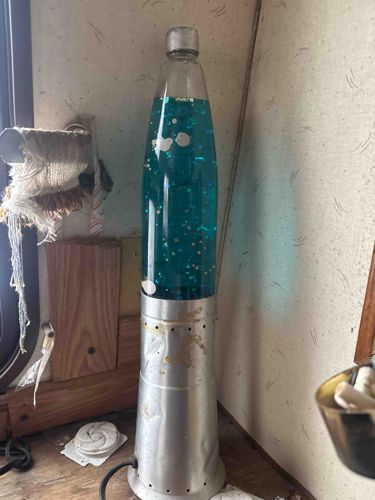
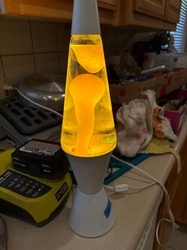
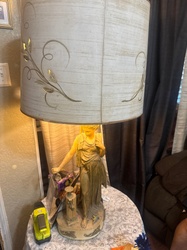
This item is a glitter lava lamp, a decorative lighting fixture known for its mesmerizing visual effects. It features a tall, clear glass bottle with a tapered top, containing a teal-colored liquid and numerous reflective glitter particles that appear to be a mix of silver/white and possibly some iridescent flakes. Inside the liquid, two larger, round, opaque white shapes are visible, which are likely part of the glitter element or a specific design feature. The bottle tapers gracefully towards a narrow neck, capped with what appears to be a silver-toned metal piece, possibly aluminum or chromed plastic, showing some signs of age or wear. The base of the lamp is a conical or tapered cylindrical metal housing, likely made of aluminum due to its matte silver appearance. This base features a series of ventilation holes near the top rim, suggesting it encloses a light source and heating element. The metal base exhibits visible dents, scratches, and some areas of discoloration or oxidation, indicating significant use and age. The power cord, black in color and somewhat coiled, emerges from the lower portion of the base. The overall aesthetic points to a retro or vintage style, likely dating from the mid-to-late 20th century, consistent with the popularity of lava lamps. The craftsmanship, while functional, shows some utilitarian qualities, particularly in the construction of the metal base. The primary condition issues are the dents and surface wear on the metal base, and the potential for the internal liquid to be degraded or less dynamic than when new. Despite the visible wear, the lamp's fundamental design is intact.
AI Appraisal Report
Based on my visual examination of the provided image, this glitter lava lamp with teal liquid appears to be an authentic vintage or retro piece, consistent with lava lamp designs popular from the mid-to-late 20th century. The classic bottle shape, the specific type of silver-toned metal base and top cap, and the overall aesthetic align with typical lava lamp manufacturing of that era. However, without identifying marks, manufacturer logos, or specific patent numbers visible, definitive authentication of its exact origin or age is limited to my visual assessment of its style.
The condition of the lamp is fair to good for its age, though it shows considerable wear. The most significant condition issues are the visible dents, scratches, and discoloration/oxidation on the metal base, which detract from its aesthetic appeal. The power cord appears intact but is coiled, and its true condition would require an in-person inspection. The internal liquid and glitter, while present, cannot be fully assessed for degradation or dynamism from an image alone. The effectiveness of the heating element and light bulb, crucial for its function, also cannot be determined visually.
Market conditions for vintage lava lamps are generally stable. While there is a niche market for very rare or pristine examples, standard glitter lava lamps like this one are relatively common. Comparables on online marketplaces (e.g., eBay, Etsy) for used, functional lava lamps with similar wear typically range from $25 to $75, depending on specific model, brand, and condition. The teal liquid and glitter combination is appealing but not exceptionally rare.
Demand is moderate for decorative retro items. Rarity for this specific type is low to moderate; while it's a vintage item, it's not a unique artisan piece or a particularly sought-after limited edition. Key factors impacting its value negatively are the visible damage to the base and the uncertain operational status. Positively, its completeness as a vintage piece, despite wear, retains some appeal.
Limitations in authenticity verification are significant from images alone. A full authentication would require physical examination to check for manufacturer markings (on the base, cap, or bottle itself), assess the integrity of the wiring, confirm functional operation (heating element, bulb), and evaluate the clarity and movement of the internal liquid and glitter in person. Provenance documentation, such as original sales receipts or historical ownership records, would further solidify authenticity and history, but is rarely available for such items.