AI Appraisal Estimate

AI-generated estimates · not official valuations

From the user

What was submitted

Photo and notes provided by the user — not generated by AI

Submitted item photo
Submitted photo · June 18, 2026

User's notes

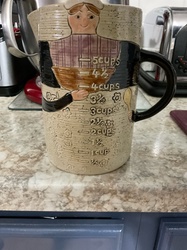
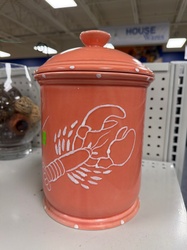
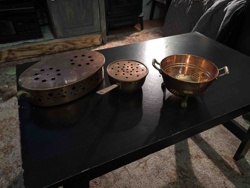
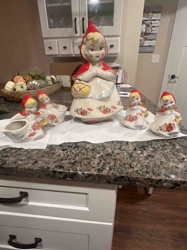
4 piece set cabin in the woods

AI analysis below

AI appraisal

AI analysis & estimate

AI-Generated · Verify before acting

Everything below is generated by AI for informational purposes only. AI can make mistakes — the AI may misidentify items or misattribute them (artist, maker, brand, designer, origin, era). This is not an official valuation and should not be used for insurance, sale, tax, estate, legal, or lending purposes — or any decision requiring a certified appraisal. It is not an authoritative claim about any person, brand, or rights holder — do not share or rely on it as a factual statement about a third party. Always consult qualified professionals before making financial decisions.

Note

This analysis also relies on unverified notes provided by the user, which may be incomplete or inaccurate and could affect the result.

Read the full disclaimer

AI Identification

·Not independently authenticated·Verify before acting

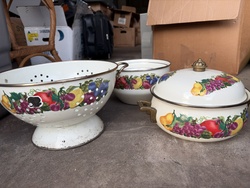
Art Deco Style Glass Butter Dish with Metal Lid

Kitchenware

AI Estimated Value

·Not an official valuation·Verify before acting

$40 - $70

As of June 18, 2026

AI Item Analysis

·AI can make mistakes·Verify before acting
This is a rectangular butter dish consisting of a clear glass base and a metallic lid. The glass base features a pressed, ridged pattern on its exterior, indicative of an Art Deco or Mid-Century Modern aesthetic, suggesting an estimated age from the early to mid-20th century. The clear glass allows for visibility of the contents. The lid, likely made of pewter, aluminum, or a silver-toned metal alloy, has a somewhat tarnished or oxidized appearance, suggesting age and lack of recent polishing. It is adorned with a stylized floral finial, possibly a lotus or a tulip bud, crafted from molded metal leaves that are attached to the center of the lid. The lid also exhibits some surface scratches and minor indentations, consistent with general wear and use over time. The edges of the lid appear slightly rolled or finished, providing a snug fit over the glass dish. One end of the glass dish has a small, molded handle or lip, which would aid in lifting or carrying. The craftsmanship, particularly of the metal finial, points to a decorative, yet functional, design. The overall condition suggests a vintage item with a visible patina that has developed over years.
AI Appraisal Report

·AI can make mistakes·Verify before acting
I have examined the provided image and description of this Art Deco Style Glass Butter Dish with Metal Lid. Based on the ridged glass design and metal finial, the attribution to Art Deco/Mid-Century Modern style from the early to mid-20th century appears authentic. The clear glass base shows no obvious damage. The metal lid, likely pewter or a silver-toned alloy, exhibits typical age-related tarnishing, surface scratches, and minor indentations, consistent with a used vintage item. The floral finial, possibly a lotus or tulip bud, is a charming decorative element. Although described as part of a "4 piece set cabin in the woods," only the butter dish is being appraised, and the impact of the set on this individual item's value cannot be fully assessed without seeing the other pieces. Factors significantly impacting value include the stylistic appeal, the presence of the original lid, and the overall vintage aesthetic with a desirable patina. While attractive, butter dishes of this type are relatively common. Market demand for functional vintage kitchenware is generally moderate. Comparables for similar Art Deco or Mid-Century pressed glass butter dishes with metal lids, even with decorative finials, typically range from $30 to $80, depending on condition and particular design. Without a manufacturer's mark, specific origin or maker remains unknown, limiting its potential for higher collector value. Limitations for full authentication include the inability to physically inspect the metal for purity, assess the integrity of the finial's attachment, or confirm the glass type without an in-person examination. Provenance documentation (e.g., original sales receipts, family history) would also enhance authenticity verification.

Get your items appraised

Instant estimates of your treasures with AI-powered appraisals

Browse More Appraisals