AI estimate as of October 12, 2026 · verify with a professional before acting
AI-Generated · Verify before acting
Everything on this page is generated by AI for informational purposes only. AI can make mistakes — the AI may misidentify items or misattribute them (artist, maker, brand, designer, origin, era). This is not an official valuation and should not be used for insurance, sale, tax, estate, legal, or lending purposes — or any decision requiring a certified appraisal. It is not an authoritative claim about any person, brand, or rights holder — do not share or rely on it as a factual statement about a third party. Always consult qualified professionals before making financial decisions.
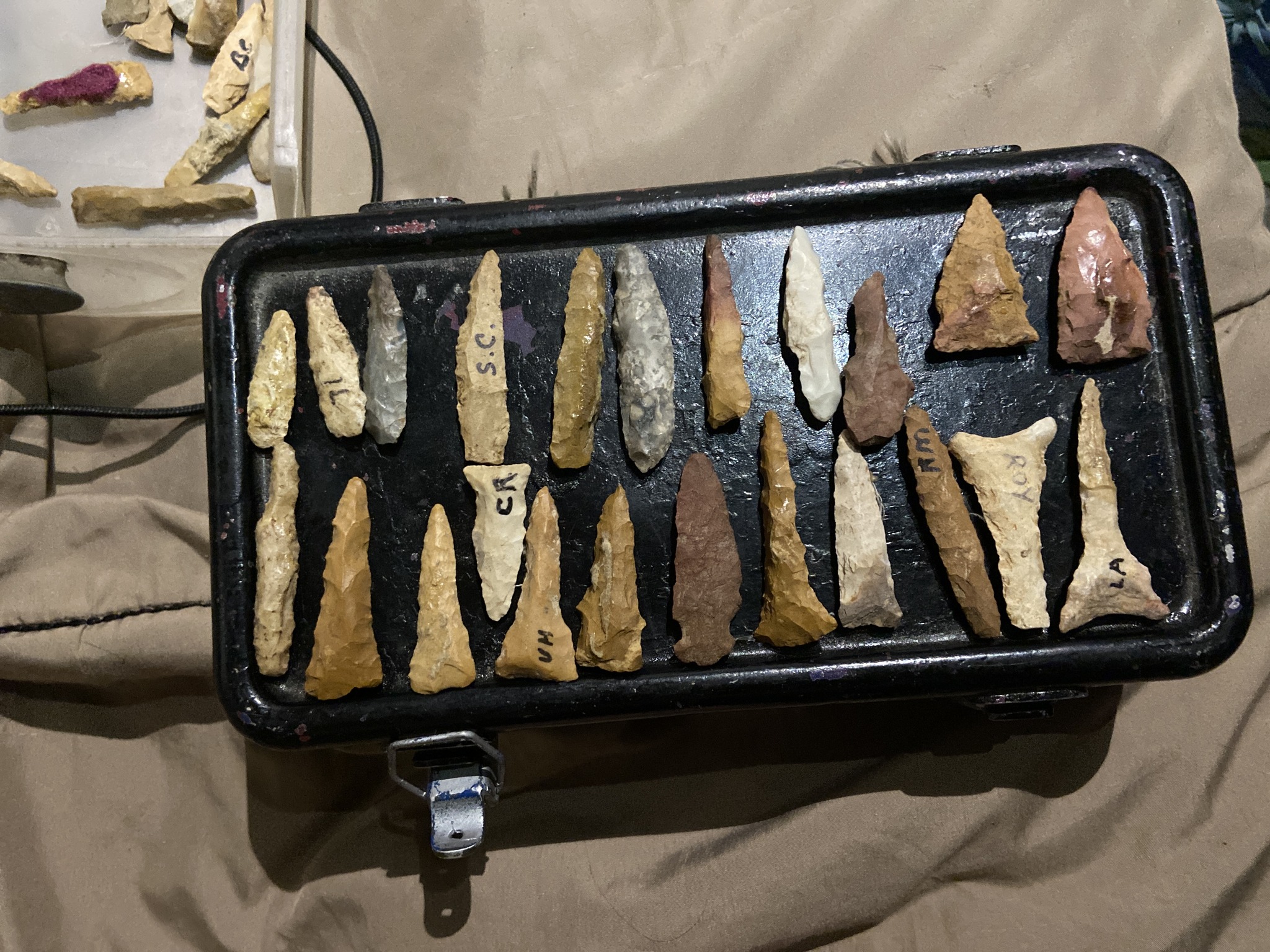
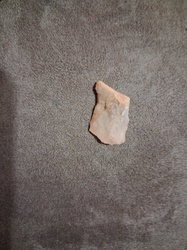
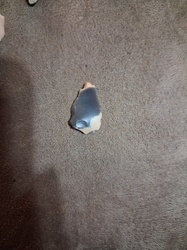
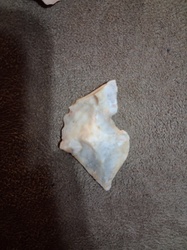
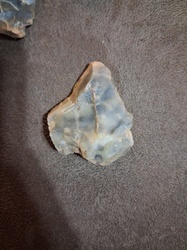
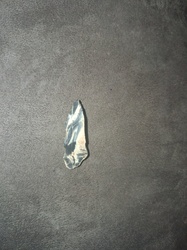
This image presents a collection of various chipped stone artifacts, commonly identified as projectile points or arrowheads, arranged and secured inside a black display case or storage tray. The collection features a diverse array of lithic materials including chert, flint, jasper, and chalcedony, displaying a wide color palette ranging from tans, browns, and ochres to grays, whites, and reddish-pink hues. The pieces vary in size, generally measuring between one and three inches in length, and exhibit different stylistic morphologies including stemmed, notched, and lanceolate blade forms consistent with traditional flintknapping techniques. Several specimens feature handwritten ink markings directly on their surfaces, displaying letters or abbreviations such as 'S.C.', 'CR', 'UM', 'M', 'ROY', and 'LA', which appear to be cataloging or provenance notes added by a previous collector rather than maker's marks. The physical condition of the artifacts varies, showing typical edge wear, localized patination, and minor surface fractures consistent with ancient or amateur handling, though the lack of professional provenance leaves their exact age, cultural affiliation, and geographical origin unverified. The attribution of this item rests on the visual characteristics of the flaked stone objects, which closely resemble prehistoric lithic tools, though authenticity and formal archaeological context remain undetermined from the photograph alone.
AI Appraisal Report
Based on what I can see in the photograph, this collection consists of various chipped stone projectile points secured in a display tray, displaying diverse lithic materials like chert, flint, and jasper with variable stylistic morphologies. I can identify handwritten cataloging marks on several specimens, suggesting previous amateur collection and organization. However, I cannot verify the exact age, cultural affiliation, or geographical origin from a photo alone, and physical inspection would be needed to assess material density, wear patterns, and potential modern alteration. The estimated value range assumes the hypothesis that these are ancient lithic artifacts consistent with traditional flintknapping techniques. In the general market, unauthenticated surface-find projectile points typically trade within a modest collector range, driven primarily by material variety, craftsmanship quality, and overall condition. If these pieces were to turn out to be modern reproductions, replicas, or decorative copies rather than ancient tools, their value would drop significantly to a nominal decorative or educational value range of $20 to $50. To establish greater certainty regarding authenticity and potential value, this collection would require physical in-person examination by a qualified lithic analyst, comprehensive provenance documentation, and potential microscopic use-wear analysis.