AI Appraisal Estimate

AI-generated estimates · not official valuations

From the user

What was submitted

Photo and notes provided by the user — not generated by AI

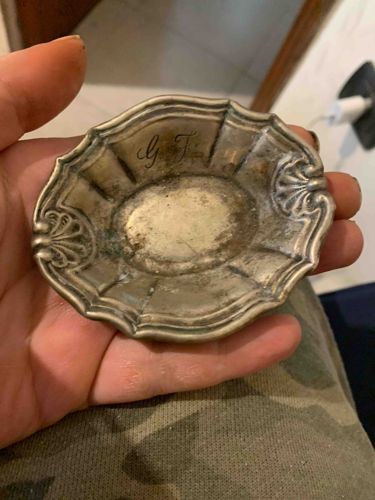
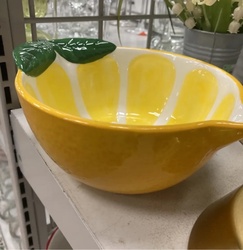
Submitted item photo
Submitted photo · June 13, 2026

User's notes

No additional notes provided.

AI analysis below

AI appraisal

AI analysis & estimate

AI-Generated · Verify before acting

Everything below is generated by AI for informational purposes only. AI can make mistakes — the AI may misidentify items or misattribute them (artist, maker, brand, designer, origin, era). This is not an official valuation and should not be used for insurance, sale, tax, estate, legal, or lending purposes — or any decision requiring a certified appraisal. It is not an authoritative claim about any person, brand, or rights holder — do not share or rely on it as a factual statement about a third party. Always consult qualified professionals before making financial decisions.

Read the full disclaimer

AI Identification

·Not independently authenticated·Verify before acting

Antique Ornate Metal Ashtray or Pin Dish

Decorative Collectible/Tableware

AI Estimated Value

·Not an official valuation·Verify before acting

$40 - $80

As of June 13, 2026

AI Item Analysis

·AI can make mistakes·Verify before acting
This item is a small, oval-shaped decorative dish, likely functioning as an ashtray, pin dish, or trinket holder. It is crafted from a silvery-toned metal, possibly silver plate or pewter, exhibiting a significant amount of tarnish and oxidation, which contributes to its antiquated appearance. The dish features an ornate, scalloped rim with distinct fluted sections radiating from the central oval depression. Two opposing ends of the rim are further embellished with raised, shell-like or fan motifs, showcasing a classical or Rococo-inspired design. The central well is smooth and oval, retaining some of its original sheen despite the overall dark patina. The reverse side is not visible, so construction details such as hallmarking or specific manufacturing techniques are not apparent. The most notable distinguishing element is the engraved monogram "G.T." in a flowing, script typeface on one of the flat fluted sections near the top. The engraving shows some darkening from age and use. The general condition indicates considerable age and use, with the tarnish covering much of the surface. There are no obvious signs of significant physical damage like dents or cracks, but the surface lacks polish and shows the natural wear and tear consistent with an older metal object. Based on its style and the apparent age of the patina, this piece likely dates from the late 19th to early 20th century. The craftsmanship, particularly in the detailed fluting and shell motifs, suggests a quality piece, though without visible maker's marks, further attribution is difficult. Its small size, fitting comfortably in a hand, indicates a personal or tabletop accessory.
AI Appraisal Report

·AI can make mistakes·Verify before acting
Based on my visual examination of the provided image, this ornate metal dish, likely an ashtray or pin dish, appears to be an authentic antique, consistent with design trends and metal aging processes of the late 19th to early 20th century. The significant tarnish and oxidation are natural for its presumed age and metal composition (likely silver-plated brass or Britannia metal), adding to its character rather than detracting significantly, assuming the buyer appreciates antique patina. There are no obvious signs of repair or significant physical damage such as dents or cracks, which speaks to its reasonable preservation over time. Current market conditions for smaller, un-hallmarked decorative metalware without a prominent maker's mark are generally moderate. While the ornate craftsmanship is appealing, its lack of specific attribution limits its appeal to specialized collectors. Demand exists among those seeking decorative period pieces or utilitarian antique items. The engraved monogram "G.T." adds a personalized touch but does not typically enhance value unless tied to a historically significant individual; in most cases, it can slightly reduce value for some buyers preferring un-monogrammed pieces. The most significant factors impacting its value are the absence of clear maker's marks or hallmarks, preventing definitive identification of the metal content (e.g., sterling silver vs. silver plate) and manufacturer. Without physical inspection, I cannot confirm the exact metal composition or internal structural integrity. Full authentication would require in-person examination to check for hidden marks, assess the true condition of the plating (if applicable), and determine the metal type, potentially through specialized testing like XRF analysis. Provenance documentation would also be beneficial to confirm its history and origin.

Get your items appraised

Instant estimates of your treasures with AI-powered appraisals

Browse More Appraisals