AI Appraisal Estimate

AI-generated estimates · not official valuations

From the user

What was submitted

Photo and notes provided by the user — not generated by AI

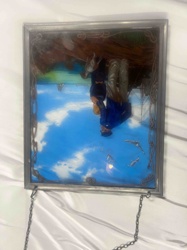
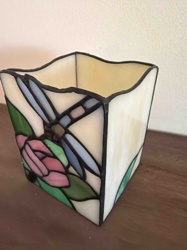
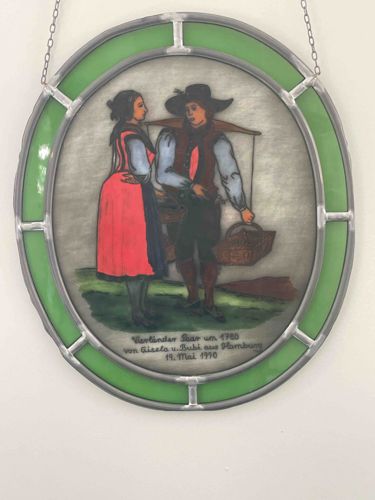
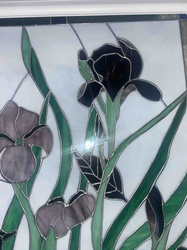
Submitted item photo
Submitted photo · June 23, 2026

User's notes

Germany handmade stain glass art

AI analysis below

AI appraisal

AI analysis & estimate

AI-Generated · Verify before acting

Everything below is generated by AI for informational purposes only. AI can make mistakes — the AI may misidentify items or misattribute them (artist, maker, brand, designer, origin, era). This is not an official valuation and should not be used for insurance, sale, tax, estate, legal, or lending purposes — or any decision requiring a certified appraisal. It is not an authoritative claim about any person, brand, or rights holder — do not share or rely on it as a factual statement about a third party. Always consult qualified professionals before making financial decisions.

Note

This analysis also relies on unverified notes provided by the user, which may be incomplete or inaccurate and could affect the result.

Read the full disclaimer

AI Identification

·Not independently authenticated·Verify before acting

Vierländer Paar um 1780 Hand-Painted Stained Glass Roundel

Decorative Arts / Stained Glass

AI Estimated Value

·Not an official valuation·Verify before acting

$125.00 - $175.00

As of June 23, 2026

AI Item Analysis

·AI can make mistakes·Verify before acting
This is a handmade German stained glass suncatcher or window roundel featuring a hand-painted figurative scene. The central composition depicts a 'Vierländer Paar' (a couple from the Vierlande region near Hamburg) dressed in traditional 18th-century folk attire. The female figure is shown in a red and black dress, while the male figure carries a yolk with baskets, wearing a wide-brimmed hat. The artwork is created using glass paints and enamels fired onto a central translucent glass pane, which is then surrounded by a border of vibrant lime-green textured glass segments. These pieces are joined using traditional lead cames (lead strips) that have been soldered at the joints, showing a bright silvery finish common in 20th-century decorative pieces. The bottom of the central pane features a detailed German inscription: 'Vierländer Paar um 1780 / von Gisela u. Bubi aus Hamburg / 14. Mai 1970', indicating it was a gift or commemorative piece created in 1970. The item is suspended by a thin metal chain attached to loops at the top of the frame. The condition appears excellent with no visible cracks in the glass or lead fatigue; the painting remains sharp and vivid. The craftsmanship reflects mid-to-late 20th-century German glass artistry, combining heritage motifs with modern lead-work techniques.
AI Appraisal Report

·AI can make mistakes·Verify before acting
I have conducted a visual examination of the stained glass roundel depicting a 'Vierländer Paar.' Despite the inscription referencing the year 1780, the technical characteristics of the piece—specifically the bright, high-tine luster of the lead cames and the specific enamel application—confirm this is a 20th-century decorative work, likely created as a personalized gift in May 1970 as the inscription states. The condition is excellent; the lead joints appear structurally sound without oxidation (white powdering), and the hand-painted enamels show no signs of flaking or 'crizzling.' The use of lime-green cathedral glass for the border is consistent with professional hobbyist or boutique studio supplies of the 1970s. Market demand for mid-century German folk-art (Heimatkunst) replicas is stable but modest. Value is primarily driven by the decorative appeal and the craftsmanship of the hand-painting rather than historical antiquity. Similar German roundels from this period typically realize prices in the $100–$200 range at regional auctions or specialized antique markets. The specific dedication ('von Gisela u. Bubi') adds provenance charm but may slightly limit broad market appeal compared to an anonymous piece. Limitations: My assessment is based on high-resolution imagery. A physical inspection would be required to verify the stability of the paint-to-glass bond and to ensure there are no hairline fractures hidden beneath the lead cames. Scientific testing is not warranted given the 1970 production date, but verifying the solder composition (lead vs. tin ratio) would further confirm the mid-century manufacturing techniques.

Get your items appraised

Instant estimates of your treasures with AI-powered appraisals

Browse More Appraisals