AI identification & appraisal estimate

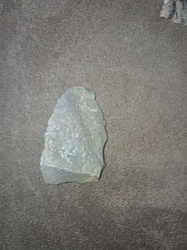
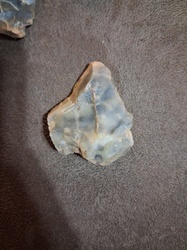
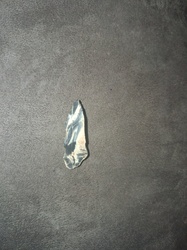
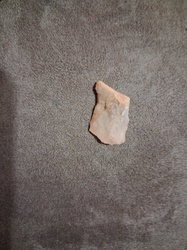
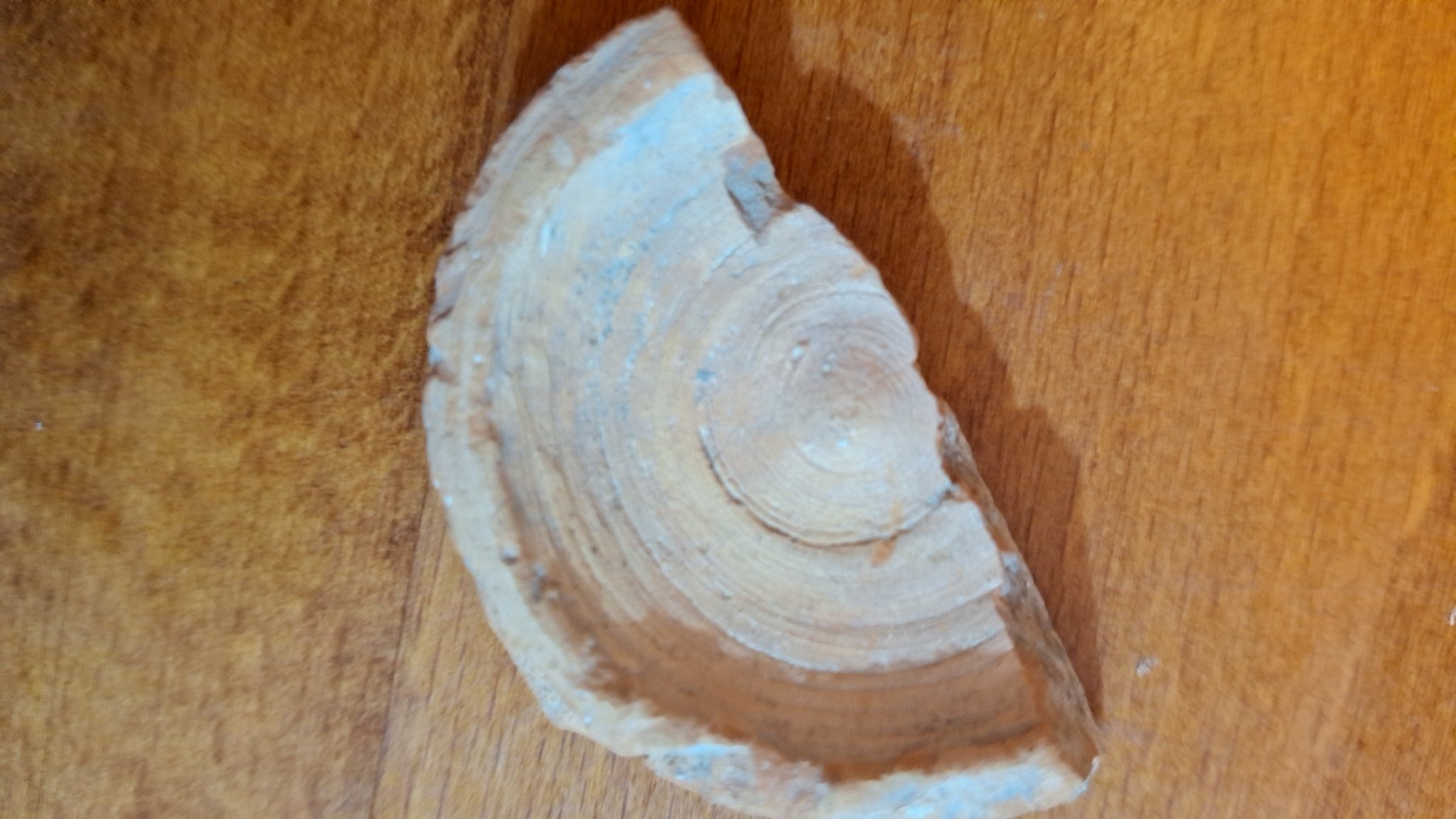
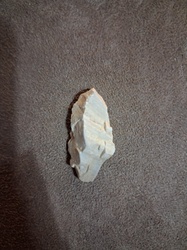
Fragmented ceramic wheel-thrown vessel sherd

Submitted photo of Fragmented ceramic wheel-thrown vessel sherd
Photo submitted by the user — not generated by AI

User's notes

found in old city jerusalem

These notes were written by the person who submitted this item. Appraiser.AI has not verified them, and the AI's identification and estimate may rely on them.

AI Estimated Value

Not an official valuation

$100-300

AI estimate as of September 8, 2026 · verify with a professional before acting

AI-Generated · Verify before acting

Everything on this page is generated by AI for informational purposes only. AI can make mistakes — the AI may misidentify items or misattribute them (artist, maker, brand, designer, origin, era). This is not an official valuation and should not be used for insurance, sale, tax, estate, legal, or lending purposes — or any decision requiring a certified appraisal. It is not an authoritative claim about any person, brand, or rights holder — do not share or rely on it as a factual statement about a third party. Always consult qualified professionals before making financial decisions.

This analysis also relies on unverified notes provided by the user, which may be incomplete or inaccurate and could affect the result.

Read the full disclaimer

AI Item Analysis

This physical object appears to be a broken fragment or sherd of an earthenware vessel, presenting as a concave circular base or lower portion displaying distinct concentric ring patterns radiating from a central point. The material is a light tan, earthy ceramic with visible porous texture and weathering consistent with age and burial. The object exhibits heavy damage, including a major break that leaves only a portion of the original circular form intact, along with chipped edges and surface wear. There are no visible maker's marks, stamps, or legible signatures on the visible surface, leaving the specific workshop and exact date of manufacture unverified. The construction features visible concentric ridges, which are consistent with historical wheel-thrown pottery techniques. Regarding style and age, the piece has characteristics that suggest antiquity, though any precise dating remains speculative based purely on visual inspection. The owner provides the unverified context that the item was found in the old city of Jerusalem, which aligns visually with the regional earthenware typically associated with archaeological contexts in the Levant, though this provenance is entirely unverified by physical testing. The attribution and identification are based strictly on visual observation of the fragment's shape, material composition, and throwing marks.
AI Appraisal Report

Based on what I can see in the photograph, this object is a fragmented, wheel-thrown ceramic base featuring concentric ridges consistent with historical earthenware pottery techniques. The porous texture and weathering suggest potential antiquity. Per user submission, the item was found in the old city of Jerusalem, aligning visually with regional Levantine archaeological artifacts, though I cannot verify this provenance from a photo alone. Severe damage, including a major break and missing sections, significantly impacts the aesthetic appeal and structural integrity. I can't verify material composition, exact age, or the owner's unverified geographical origin without physical inspection, tactile analysis, and scientific testing such as thermoluminescence. The estimated value range of $100-300 assumes that the piece is a genuine ancient Levantine artifact. Demand for unprovenanced ancient pottery fragments is generally modest among collectors, typically driven by decorative or study appeal rather than high-tier investment. If physical testing or expert appraisal reveals this piece to be a modern reproduction, replica, or decorative copy rather than an ancient artifact, the value would drop dramatically to nominal decorative worth, likely under $20. To establish a more precise evaluation and confirm authenticity, an in-person examination by a qualified antiquities expert and formal provenance documentation would be required.

Keep exploring

More archaeological artifacts appraisals

Get your items appraised

Instant AI-powered appraisal estimates from a photo

Browse More Appraisals