AI Appraisal Estimate

AI-generated estimates · not official valuations

From the user

What was submitted

Photo and notes provided by the user — not generated by AI

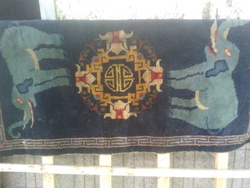
Submitted item photo
Submitted photo · June 25, 2026

User's notes

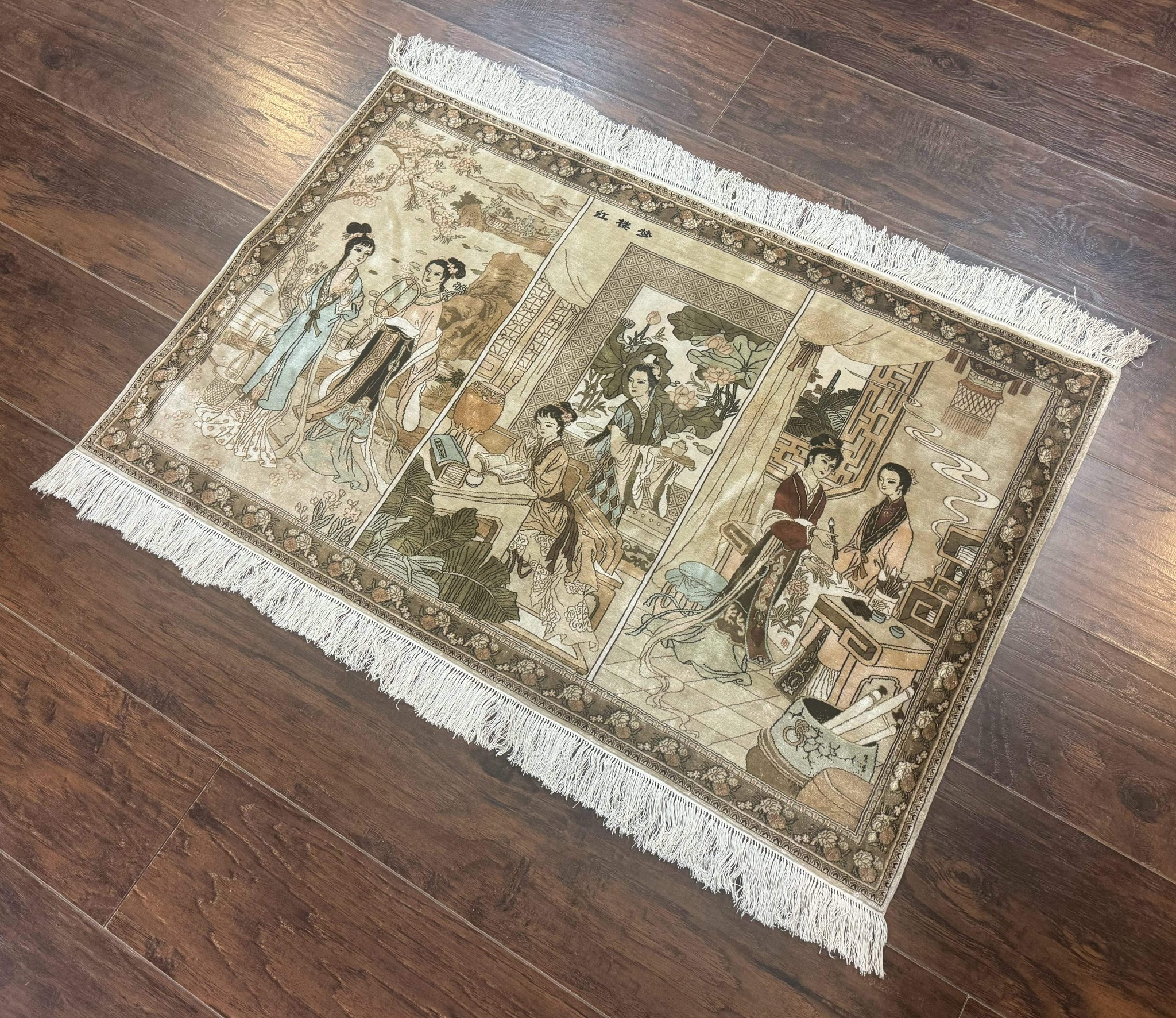
4444 kpsi or knots per sqaure inches or 800 lines, country of origin china, pictorial scene. 100 percent real mulberry silk, aproximate age 1980 to 1990, size is 3.8 feet by 2.6 feet, double knotted.

AI analysis below

AI appraisal

AI analysis & estimate

AI-Generated · Verify before acting

Everything below is generated by AI for informational purposes only. AI can make mistakes — the AI may misidentify items or misattribute them (artist, maker, brand, designer, origin, era). This is not an official valuation and should not be used for insurance, sale, tax, estate, legal, or lending purposes — or any decision requiring a certified appraisal. It is not an authoritative claim about any person, brand, or rights holder — do not share or rely on it as a factual statement about a third party. Always consult qualified professionals before making financial decisions.

Note

This analysis also relies on unverified notes provided by the user, which may be incomplete or inaccurate and could affect the result.

Read the full disclaimer

AI Identification

·Not independently authenticated·Verify before acting

Chinese Hand-Knotted Mulberry Silk Pictorial Rug

Antique and Vintage Rugs

AI Estimated Value

·Not an official valuation·Verify before acting

$12,000 - $18,000

As of June 25, 2026

AI Item Analysis

·AI can make mistakes·Verify before acting
This is a meticulously crafted hand-knotted pictorial rug made of 100 percent real mulberry silk, originating from China. The piece measures approximately 3.8 feet by 2.6 feet and features an extraordinary knot density of 4444 knots per square inch (800 lines), indicating world-class craftsmanship. The rug narrates a traditional Chinese pictorial scene divided into three distinct vertical panels, depicting elegantly dressed women in various classical activities such as outdoor pursuits, reading, and tea service. The color palette is sophisticated and muted, utilizing earthy tans, teals, and reddish-browns to create its detailed imagery. The double-knotted construction using fine mulberry silk gives the rug a brilliant sheen and a smooth, supple texture. The perimeter is finished with a delicate floral border and white silk fringe at both ends. Dating from the 1980s to 1990s, this piece remains in excellent condition with no visible wear, damage, or restoration. The high line count allows for immense detail in the facial expressions and architectural elements within the scenes, marking it as a premium example of late 20th-century Chinese textile art.
AI Appraisal Report

·AI can make mistakes·Verify before acting
Based on my examination of this Chinese Mulberry Silk Pictorial rug, I find it to be an exceptional example of textile engineering. The defining characteristic is the extraordinary density of 800 lines (4,444 KPSI), a specification that places it among the highest tier of silk rugs ever produced. The use of double-knotting technique in pure mulberry silk allows for the fluid, painterly detail seen in the three vertical panels. The 1980s-90s was a 'Golden Age' for high-fidelity Chinese silk weaving, and this piece exhibits the hallmarks of workshops that were competing with Persian masterworks. The condition appears pristine, with the silk’s natural luster fully intact and no visible degradation to the fringe or selvedges. While high-quality silk rugs are available on the market, pieces exceeding 500 lines are rare; an 800-line rug is a collector's item where the value is driven by the sheer labor-intensive nature of its creation, often taking a master weaver years to complete. However, this appraisal is based on digital observation. To definitively authenticate the piece, an in-person 'burn test' of the fringe would be required to confirm 100% mulberry silk versus synthetic mercerized cotton or rayon. I would also need to physically measure the knot count per square inch to verify the 800-line claim, as visual density can be deceptive in photographs. Finally, documentation of the specific weaving studio or 'chop' mark if present would assist in confirming its provenance.

Get your items appraised

Instant estimates of your treasures with AI-powered appraisals

Browse More Appraisals