AI Appraisal Estimate

AI-generated estimates · not official valuations

From the user

What was submitted

Photo and notes provided by the user — not generated by AI

Submitted item photo
Submitted photo · June 6, 2026

User's notes

Good condition

AI analysis below

AI appraisal

AI analysis & estimate

AI-Generated · Verify before acting

Everything below is generated by AI for informational purposes only. AI can make mistakes — the AI may misidentify items or misattribute them (artist, maker, brand, designer, origin, era). This is not an official valuation and should not be used for insurance, sale, tax, estate, legal, or lending purposes — or any decision requiring a certified appraisal. It is not an authoritative claim about any person, brand, or rights holder — do not share or rely on it as a factual statement about a third party. Always consult qualified professionals before making financial decisions.

Note

This analysis also relies on unverified notes provided by the user, which may be incomplete or inaccurate and could affect the result.

Read the full disclaimer

AI Identification

·Not independently authenticated·Verify before acting

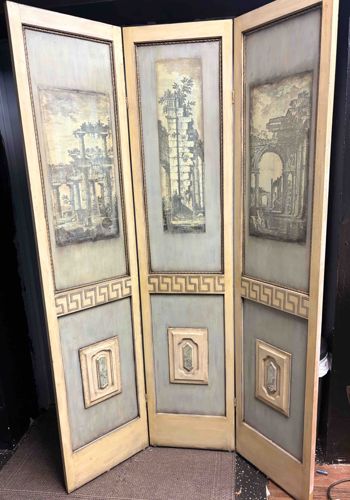
Three-Panel Decorative Room Divider Screen with Classical Ruins Motifs

Furniture

AI Estimated Value

·Not an official valuation·Verify before acting

$500-800

As of June 6, 2026

AI Item Analysis

·AI can make mistakes·Verify before acting
This item is a three-panel decorative room divider screen, likely constructed from wood, given its sturdy appearance and framed panels. Each panel is rectangular and features a framed top section displaying an inset artwork depicting classical ruins in a monochromatic, possibly sepia-toned or charcoal, palette. These artworks evoke a Neoclassical or Grand Tour aesthetic, characteristic of designs popular from the 18th to early 20th centuries. The framed art sections are separated from the lower panels by a distinctive frieze featuring a gold-colored Greek key pattern against a lighter background. The lower section of each panel is painted in a muted blue-grey color and adorned with a raised, carved or molded rectangular cartouche, also finished in a light, possibly distressed, gold or cream color, adding depth and classical ornamentation. The overall frame of the screen, connecting hinges, and borders around the panels appear to be painted in a light cream or pale yellow color, showing some signs of deliberate distressing or natural wear, contributing to an aged or antique look. The construction suggests traditional joinery for the frames. The item is in 'Good condition' as stated, implying minor wear consistent with age and use, but no significant damage. This screen likely serves both a functional purpose (room division, privacy) and a significant decorative purpose, embodying classical elegance and historical artistic taste.
AI Appraisal Report

·AI can make mistakes·Verify before acting
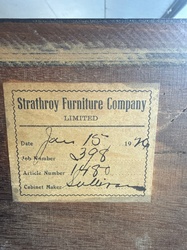
This three-panel decorative room divider screen presents a charming Neoclassical aesthetic, consistent with 18th to early 20th-century design influences. The overall 'Good condition,' as stated, is supported by the visual evidence, showing minor wear that contributes to its aged character rather than detracting from it. The distressed finish on the frame and the classical motifs—monochromatic ruin scenes, Greek key frieze, and carved cartouches—all suggest a piece designed to evoke historical elegance. Market demand for decorative screens of this style remains steady, particularly for items that offer both functional utility and significant aesthetic appeal. While not a high-value antique, its decorative nature makes it appealing to interior designers and homeowners seeking unique accent pieces. Comparable items of similar quality and decorative style typically retail in the $500-800 range through online platforms and specialized antique/decorative furnishings dealers. Factors positively impacting value include its good condition, the detailed classical ornamentation, and its functional versatility. The use of traditional joinery, if confirmed in person, would further support its quality. Limitations in authenticity verification from images alone exist. While the style is clearly established, I cannot definitively determine the age of the wood, the construction methods beyond basic observation, or the exact materials of the artwork insets. An in-person examination would allow for tactile assessment of the wood quality, paint application, and construction techniques (e.g., dovetails, mortise and tenon joints). Provenance documentation would be essential to verify its original manufacturing date or if it's a faithfully executed reproduction. Scientific testing would be necessary to identify precise wood species or paint composition, though this is rarely sought for items of this valuation.

Get your items appraised

Instant estimates of your treasures with AI-powered appraisals

Browse More Appraisals