AI Appraisal Estimate

AI-generated estimates · not official valuations

From the user

What was submitted

Photo and notes provided by the user — not generated by AI

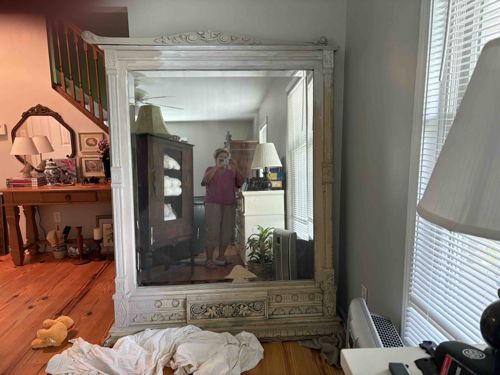
Submitted item photo
Submitted photo · May 27, 2026

User's notes

No additional notes provided.

AI analysis below

AI appraisal

AI analysis & estimate

AI-Generated · Verify before acting

Everything below is generated by AI for informational purposes only. AI can make mistakes — the AI may misidentify items or misattribute them (artist, maker, brand, designer, origin, era). This is not an official valuation and should not be used for insurance, sale, tax, estate, legal, or lending purposes — or any decision requiring a certified appraisal. It is not an authoritative claim about any person, brand, or rights holder — do not share or rely on it as a factual statement about a third party. Always consult qualified professionals before making financial decisions.

Read the full disclaimer

AI Identification

·Not independently authenticated·Verify before acting

Ornate distressed standing cheval mirror

Furniture

AI Estimated Value

·Not an official valuation·Verify before acting

$450-700

As of May 27, 2026

AI Item Analysis

·AI can make mistakes·Verify before acting
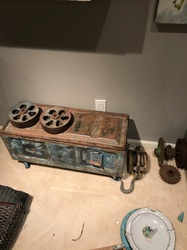
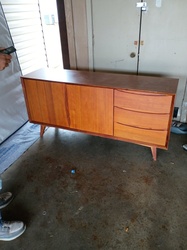
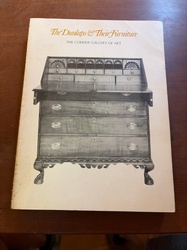
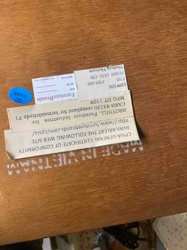
This is a large, ornate standing cheval mirror, likely dating from the late 19th or early 20th century, possibly in the Victorian or Edwardian style, or a reproduction mimicking these styles. The mirror is encased in a substantial, distressed light-colored wooden frame, appearing to be painted white or a very pale grey, with significant areas where the underlying wood or a darker finish shows through, indicating intentional antiquing or considerable wear. The frame exhibits elaborate carved details, particularly noticeable at the top crest and along the broader base. The top features rococo-inspired curvilinear scrollwork and acanthus leaf motifs, while the base includes a central carved panel with floral or foliate designs, flanked by decorative elements. The vertical stiles on either side of the mirror also feature fluted or reeded carved details, terminating in substantial plinths at the bottom. The mirror itself appears to be a large, single pane, reflecting a clear image. There are no obvious cracks or significant damage to the glass, though the reflection shows some general dust or film on the surface. The overall condition suggests a piece that has been well-used but structurally sound. The distressed finish gives it a shabby-chic aesthetic, which could be original to its manufacturing or a subsequent treatment. The craftsmanship, particularly the detailed carvings, points to a piece of reasonable quality, though without maker's marks, it's difficult to ascertain specific origins or precise age. Its substantial size indicates it was likely intended as a dressing mirror for a bedroom or a grand entryway.
AI Appraisal Report

·AI can make mistakes·Verify before acting
This ornate standing cheval mirror, likely late 19th/early 20th century or a tasteful reproduction, presents a complex appraisal. Visually, its large size and elaborate rococo-inspired carvings suggest quality craftsmanship. The 'distressed' finish appears intentional, contributing to a popular 'shabby chic' aesthetic rather than indicating severe neglect. The mirror glass seems intact, and the overall structure appears sound. Market-wise, distressed mirrors of this scale are currently in moderate demand among interior designers and homeowners seeking statement pieces with vintage appeal. While not rare, true antique pieces with documented provenance command higher prices. Reproductions, even high-quality ones, trade at a discount. The primary challenge without physical inspection is authenticating its age. The wear might be genuine age and use, or expertly applied modern distressing. Without examining the frame's joinery, wood type, and internal structure, or searching for maker's marks, definitive dating is impossible. Genuine patina and construction methods (like hand-cut dovetails or specific hardware) would confirm age and significantly boost value. Conversely, modern manufacturing techniques would lower it. Provenance documentation, such as original purchase receipts or family history, would also be invaluable. Scientific testing on the wood finishes could further clarify age. Based on visual assessment alone, its value reflects its decorative appeal and assumed structural integrity, but not guaranteed antique status.

Get your items appraised

Instant estimates of your treasures with AI-powered appraisals

Browse More Appraisals