AI Appraisal Estimate

AI-generated estimates · not official valuations

From the user

What was submitted

Photo and notes provided by the user — not generated by AI

Submitted item photo
Submitted photo · June 18, 2026

User's notes

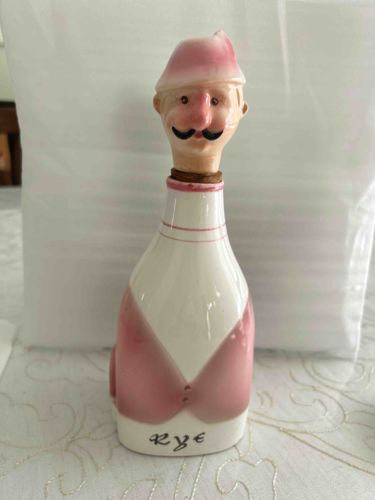
Vintage pink and white musical Bar Decanter with Rye printed on bottom front. sings “How Dry I am”

AI analysis below

AI appraisal

AI analysis & estimate

AI-Generated · Verify before acting

Everything below is generated by AI for informational purposes only. AI can make mistakes — the AI may misidentify items or misattribute them (artist, maker, brand, designer, origin, era). This is not an official valuation and should not be used for insurance, sale, tax, estate, legal, or lending purposes — or any decision requiring a certified appraisal. It is not an authoritative claim about any person, brand, or rights holder — do not share or rely on it as a factual statement about a third party. Always consult qualified professionals before making financial decisions.

Note

This analysis also relies on unverified notes provided by the user, which may be incomplete or inaccurate and could affect the result.

Read the full disclaimer

AI Identification

·Not independently authenticated·Verify before acting

Vintage Tipsy Waiter Musical Rye Decanter with Cork Stopper

Vintage Barware & Collectibles

AI Estimated Value

·Not an official valuation·Verify before acting

$45.00 - $65.00

As of June 18, 2026

AI Item Analysis

·AI can make mistakes·Verify before acting
This is a mid-century novelty musical bar decanter, likely manufactured in Japan during the 1950s or 1960s. The piece is constructed from ceramic with a high-gloss glaze, featuring a whimsical 'tipsy waiter' or 'bartender' theme. The color palette consists of a snowy white base with soft pink airbrushed accents on the vest, cheeks, and cap. The waiter has hand-painted features, including a black handlebar mustache and simple dot eyes. The word 'Rye' is hand-lettered in a stylized black script across the bottom front, indicating its intended contents. The stopper is uniquely shaped as the waiter's head and retains its original cork, which appears slightly worn but intact. Structurally, the vessel has a tapered neck and bulbous body. Based on the provided context, the base contains a wind-up mechanical music box that plays the classic tune 'How Dry I Am' when lifted. The condition appears good with no visible cracks or large chips, though there is a small chip on the top edge of the pink hat and some minor glaze thinning. The craftmanship is typical of post-war Japanese exports intended for the American giftware market, characterized by lightweight ceramic and charming, albeit mass-produced, hand-finishing.
AI Appraisal Report

·AI can make mistakes·Verify before acting
I have examined the digital representations of this vintage Japanese novelty decanter. The piece is a classic example of Mid-Century 'kitsch' barware, specifically a 'Tipsy Waiter' musical bottle produced for the American export market. Based on the glaze characteristics and the specific 'How Dry I Am' mechanical component, the item is authentic to the 1950s/60s era. The condition is graded as 'Good'—the primary value lies in the functional music box and the presence of the original head-shaped stopper. The small chip on the pink hat and minor glaze thinning are consistent with age but do reduce the premium value of a 'mint' specimen. Market demand for Japanese lusterware and novelty decanters has stabilized; while they remain popular decorative items for home bars (man-caves), they are mass-produced items and lack the rarity of hand-blown glass or high-end porcelain. Comparables on the secondary market typically sell within the $40 to $70 range depending on the functionality of the music box. Limitations of this appraisal: A digital inspection cannot confirm the internal state of the ceramic for hairline fractures or the tension of the music box spring. A full physical examination would be required to verify the integrity of the cork and ensure no internal mold or residue exists. Provenance, such as original export stickers (e.g., 'Made in Japan' gold foil), would further solidify the attribution.

Get your items appraised

Instant estimates of your treasures with AI-powered appraisals

Browse More Appraisals