AI Appraisal Estimate

AI-generated estimates · not official valuations

From the user

What was submitted

Photo and notes provided by the user — not generated by AI

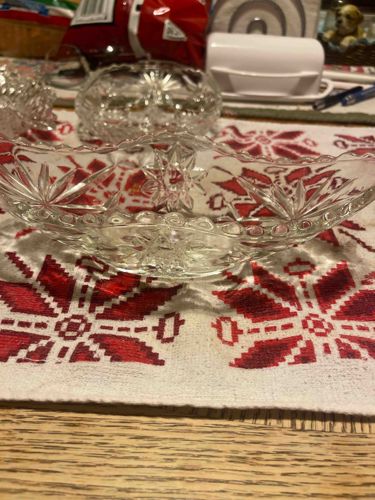
Submitted item photo
Submitted photo · June 17, 2026

User's notes

No additional notes provided.

AI analysis below

AI appraisal

AI analysis & estimate

AI-Generated · Verify before acting

Everything below is generated by AI for informational purposes only. AI can make mistakes — the AI may misidentify items or misattribute them (artist, maker, brand, designer, origin, era). This is not an official valuation and should not be used for insurance, sale, tax, estate, legal, or lending purposes — or any decision requiring a certified appraisal. It is not an authoritative claim about any person, brand, or rights holder — do not share or rely on it as a factual statement about a third party. Always consult qualified professionals before making financial decisions.

Read the full disclaimer

AI Identification

·Not independently authenticated·Verify before acting

Clear Pressed Glass Divided Relish Dish with Starburst and Button Pattern

Dinnerware & Serveware

AI Estimated Value

·Not an official valuation·Verify before acting

$15-30

As of June 17, 2026

AI Item Analysis

·AI can make mistakes·Verify before acting
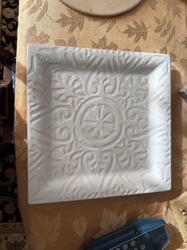
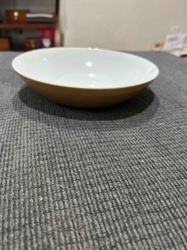
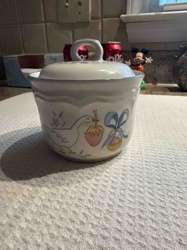
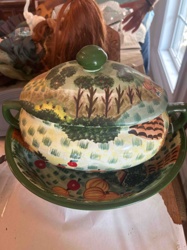
This is a clear pressed glass divided relish dish, likely dating from the mid-20th century, possibly earlier given the patterns. The dish is oval or boat-shaped, designed with two distinct compartments separated by a central ridge, ideal for serving two different types of relishes, nuts, or candies. The primary decorative motif features a prominent starburst or 'hobstar' cut pattern on the interior base of each division and along the exterior sides. This starburst design is characteristic of many pressed glass patterns from the late 19th to mid-20th centuries. Surrounding the starbursts and along the rim of the dish are rows of smaller, raised circular 'button' or 'hobnail' elements, which add texture and catch the light. The rim itself appears to be scalloped or softly undulating, further enhancing its decorative appeal. The glass is transparent and appears to be in good condition with no immediately visible chips, cracks, or significant fleabites in the provided image. The construction suggests it was mass-produced using a mold, typical for pressed glass items of this type. There are no discernible maker's marks or signatures visible from the image provided. The craftsmanship, while mass-produced, exhibits a clear and intricate pattern, indicating decent quality for its intended purpose as a serving piece.
AI Appraisal Report

·AI can make mistakes·Verify before acting
Based on my visual examination of the provided image, this clear pressed glass divided relish dish appears to be in very good condition, with no visible chips, cracks, or significant fleabites. The intricate starburst and button pattern is well-defined, suggesting good mold quality for its era. This type of pressed glass, often referred to by collectors as EAPG (Early American Pattern Glass) though this piece likely dates to the mid-20th century, was mass-produced, making individual pieces generally accessible. Authenticity as a period pressed glass item seems assured given the pattern and manufacturing characteristics visible; however, without handling the piece, I cannot definitively confirm the subtle nuances of glass quality or detect any faint manufacturer's marks that might be present on the base. Market conditions for common pressed glass serving dishes like this are relatively stable but generally low. Comparables sold in online marketplaces and antique shops typically range from $10 to $40 depending on condition, pattern desirability, and seller. While the intricate pattern is attractive, it is not particularly rare, and demand is moderate among collectors of vintage glassware and those seeking decorative serving pieces. The lack of a known maker’s mark or a highly sought-after pattern significantly impacts its value, keeping it within the common vintage glass market. For a full authentication and to detect any subtle imperfections, an in-person examination would be crucial to assess the glass quality, tactile feel of the patterns, and to search thoroughly for any maker's marks, as well as to confirm the absence of any subtle repairs or wear not visible in the image.

Get your items appraised

Instant estimates of your treasures with AI-powered appraisals

Browse More Appraisals