AI Appraisal Estimate

AI-generated estimates · not official valuations

From the user

What was submitted

Photo and notes provided by the user — not generated by AI

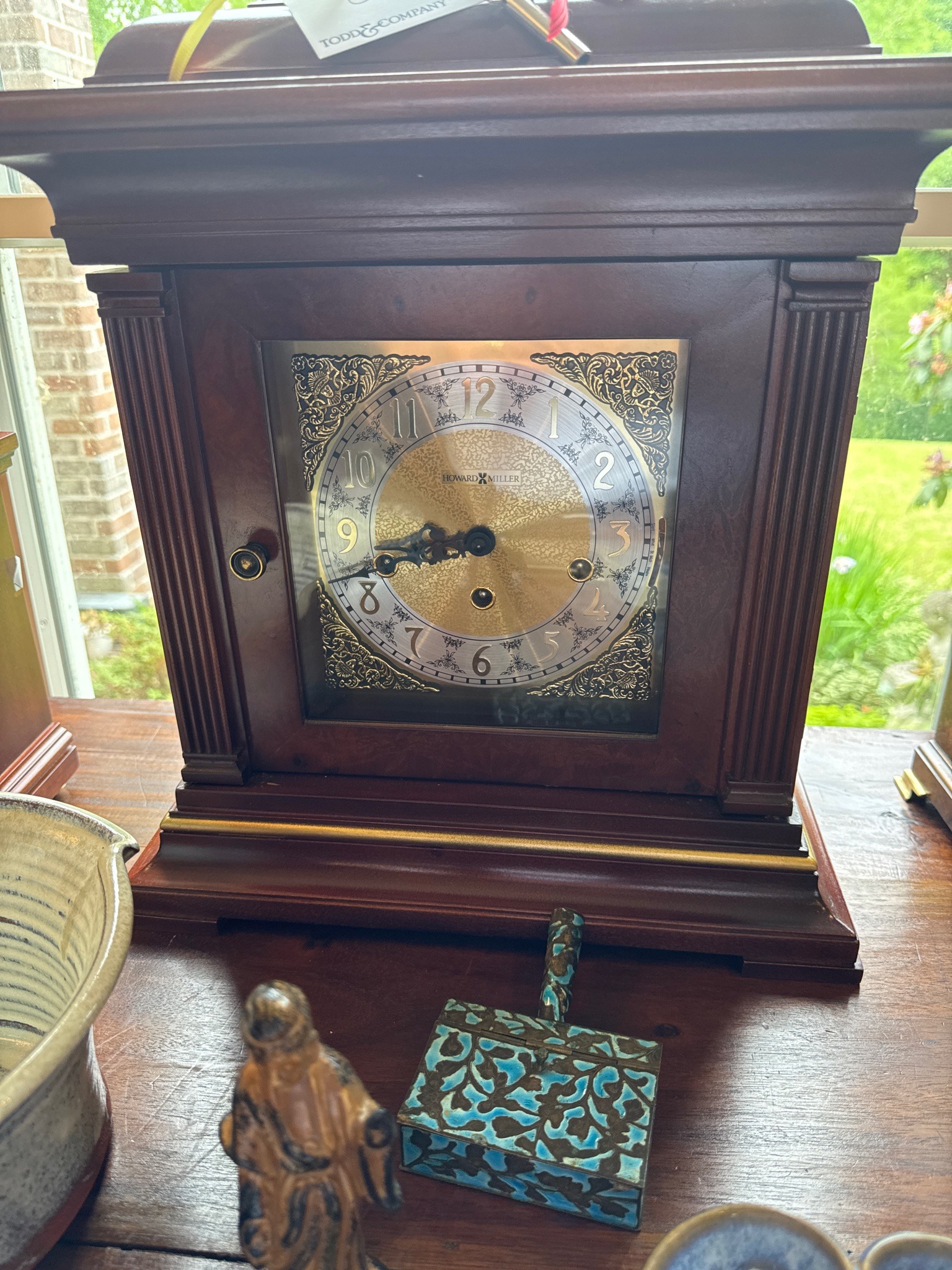
Submitted item photo
Submitted photo · June 13, 2026

User's notes

No additional notes provided.

AI analysis below

AI appraisal

AI analysis & estimate

AI-Generated · Verify before acting

Everything below is generated by AI for informational purposes only. AI can make mistakes — the AI may misidentify items or misattribute them (artist, maker, brand, designer, origin, era). This is not an official valuation and should not be used for insurance, sale, tax, estate, legal, or lending purposes — or any decision requiring a certified appraisal. It is not an authoritative claim about any person, brand, or rights holder — do not share or rely on it as a factual statement about a third party. Always consult qualified professionals before making financial decisions.

Read the full disclaimer

AI Identification

·Not independently authenticated·Verify before acting

Howard Miller Mantel Clock

Antique and Vintage Horology / Home Décor

AI Estimated Value

·Not an official valuation·Verify before acting

$450 - $700

As of June 13, 2026

AI Item Analysis

·AI can make mistakes·Verify before acting
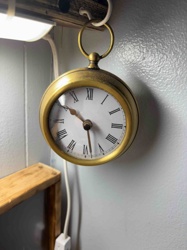
This is a substantial mantel clock manufactured by the renowned Howard Miller Clock Company. The piece features a high-quality hardwood case, likely cherry or mahogany, finished in a deep, rich brown stain with a polished semi-gloss sheen. The architectural design includes a stepped base with a brass-tone metal inlay, fluted pilasters on the left and right sides, and a decorative coved top. The clock face is particularly ornate, showcasing a two-tone metallic dial. It features an outer silver-toned chapter ring with applied brass Arabic numerals and a minute track, set against a central gold-toned textured sunburst pattern. Decorative brass spandrels with intricate filigree scrolling adorn the four corners of the square dial plate. The face is protected by a glass pane set within a wooden frame and includes black serpentine or cathedral-style hour and minute hands. The dial clearly displays three winding arbors, indicating a triple-chime mechanical movement (typically Westminster, St. Michael, and Whittington). The 'Howard Miller' logo is centered below the twelve o'clock position. The overall condition appears excellent with minimal signs of wear; the wood retains its luster, the brass elements show no significant tarnish, and the glass is clear. This style is consistent with late 20th-century traditional American craftsmanship, designed to emulate classic 18th-century English bracket clocks.
AI Appraisal Report

·AI can make mistakes·Verify before acting
I have conducted a thorough visual examination of this Howard Miller triple-chime mantel clock. The piece presents in excellent aesthetic condition, characterized by a well-preserved hardwood case and an ornate dial showing no signs of oxidation or wear. The presence of three winding arbors confirms a sophisticated mechanical movement, likely a Key-wound Kieninger mechanism, which significantly elevates its value compared to quartz variants. In the current secondary market, Howard Miller remains a highly recognized name, though values for traditional mantel clocks have stabilized due to a shift in modern décor trends. Comparables for similar triple-chime bracket-style clocks generally range between $400 and $800 depending on the specific movement and wood species. This specimen's fluted pilasters and brass inlays suggest a higher-end model within their late 20th-century catalog. However, several critical factors remain unverified through imagery alone. A physical inspection is required to confirm the mechanical integrity of the movement, the presence of original winding keys, and the functionality of the chime selectors. Furthermore, while the 'Howard Miller' branding appears authentic, a definitive valuation requires observing the movement plates for manufacturer stamps and assessing the internal lubrication state, as 'dry' movements necessitate costly servicing. This appraisal assumes the movement is currently in good working order. Provenance documentation or original purchase receipts would further solidify the dating of the piece to the late 1980s or 1990s.

Get your items appraised

Instant estimates of your treasures with AI-powered appraisals

Browse More Appraisals