AI identification & appraisal estimate

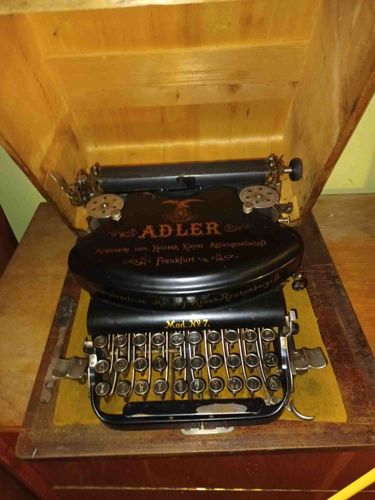
Adler Model No. 7 Typewriter

This name is the AI's identification of the item — it may be incorrect.

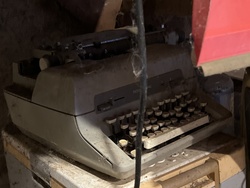
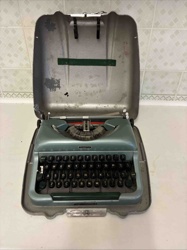
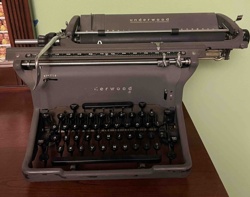
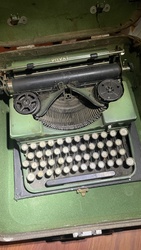
Submitted photo of Adler Model No. 7 Typewriter
Photo submitted by the user — not generated by AI

AI Estimated Value

Not an official valuation

$450 - $700

AI estimate as of March 11, 2026 · verify with a professional before acting

AI-Generated · Verify before acting

Everything on this page is generated by AI for informational purposes only. AI can make mistakes — the AI may misidentify items or misattribute them (artist, maker, brand, designer, origin, era). This is not an official valuation and should not be used for insurance, sale, tax, estate, legal, or lending purposes — or any decision requiring a certified appraisal. It is not an authoritative claim about any person, brand, or rights holder — do not share or rely on it as a factual statement about a third party. Always consult qualified professionals before making financial decisions.

Read the full disclaimer

AI Item Analysis

This is a vintage Adler Model No. 7 typewriter, an iconic piece of early 20th-century German engineering. The machine features a distinctive thrust-action striking mechanism where type bars slide horizontally rather than swinging vertically, common in 'Empire' and 'Adler' designs. It is housed in its original solid wooden carrying case, which shows signs of aged patina and light surface scratches. The typewriter frame is constructed of heavy cast metal with a deep black enamel finish. The gold-leaf and red decorative stenciling remain remarkably vibrant, clearly displaying the 'ADLER' brand name and the manufacturer details 'Adlerwerke vorm. Heinrich Kleyer Aktiengesellschaft, Frankfurt a.M.' The specific model designation 'Mod. No. 7' is visible in yellow lettering above the keyboard. The keyboard consists of three rows of circular keys with glass tops and metal rims, showing a character layout appropriate for the period. Notable features include the dual ribbon spools mounted at the rear and a manual carriage return lever. The condition appears to be good for its age, with some visible dust accumulation and minor oxidation on exposed metal parts like the platen knobs and type bars. There are no obvious signs of major structural damage, though the rubber platen and feet may have hardened over time. The craftsmanship reflects the high quality of early German office machinery, dating this piece approximately between 1900 and 1920.
AI Appraisal Report

I have conducted a visual examination of the Adler Model No. 7 typewriter, dating approximately to 1910. The machine represents a high-water mark for German engineering, specifically the 'thrust-action' horizontal striking mechanism. The aesthetic condition is exceptional; the gold-leaf stenciling and black enamel finish retain a luster often lost to oxidation in similar units. The presence of the original wooden carrying case significantly bolsters its marketability, as these are often separated or destroyed over time. While the cosmetic state is 'Very Good,' there is visible dust and potential 'silvering' of the glass key tops, which is standard for the period. Market demand for early Adler models remains steady among collectors of industrial design and European office history. Recent auction comparables for Model 7s in similar aesthetic condition typically range from $400 to $650, with a premium applied here for the vibrant manufacturer markings. However, the hardening of the rubber platen and unknown mechanical fluidness (potential gumming of internal oils) prevents a higher valuation. Limitations: This appraisal is based solely on high-resolution imagery. A physical inspection is required to verify mechanical functionality, specifically the tension of the carriage spring and the integrity of the drawband. I cannot definitively confirm the presence of original internal components versus later repairs. To reach a full 'investment grade' authentication, I would require provenance documentation or a physical 'tap test' of the key response. Scientific testing of the enamel's chemical composition would be necessary only if there were concerns regarding modern restoration or 'over-painting,' though this example appears original.

Keep exploring

More antique office equipment / collectible typewriters appraisals

Get your items appraised

Instant AI-powered appraisal estimates from a photo

Browse More Appraisals