AI Appraisal Estimate

AI-generated estimates · not official valuations

From the user

What was submitted

Photo and notes provided by the user — not generated by AI

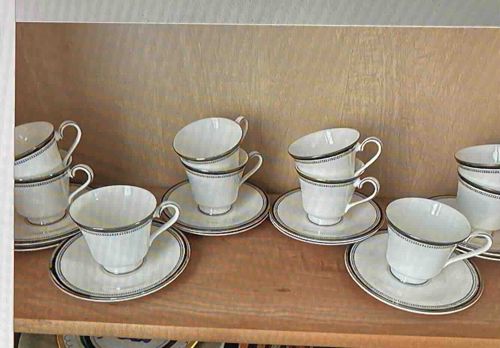
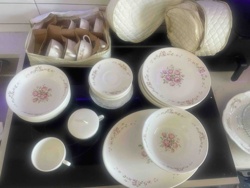
Submitted item photo
Submitted photo · June 25, 2026

User's notes

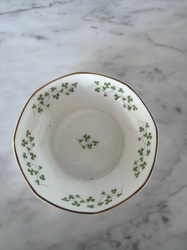
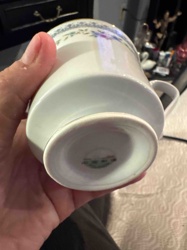
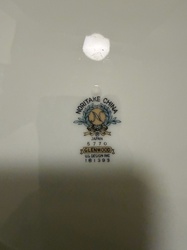
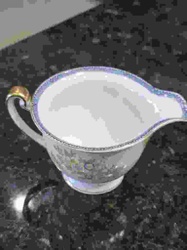
10 Royal Doulton Sarabande cups and saucers

AI analysis below

AI appraisal

AI analysis & estimate

AI-Generated · Verify before acting

Everything below is generated by AI for informational purposes only. AI can make mistakes — the AI may misidentify items or misattribute them (artist, maker, brand, designer, origin, era). This is not an official valuation and should not be used for insurance, sale, tax, estate, legal, or lending purposes — or any decision requiring a certified appraisal. It is not an authoritative claim about any person, brand, or rights holder — do not share or rely on it as a factual statement about a third party. Always consult qualified professionals before making financial decisions.

Note

This analysis also relies on unverified notes provided by the user, which may be incomplete or inaccurate and could affect the result.

Read the full disclaimer

AI Identification

·Not independently authenticated·Verify before acting

Royal Doulton Sarabande H5068 Cups and Saucers Set

Antique and Vintage Fine China & Tableware

AI Estimated Value

·Not an official valuation·Verify before acting

$250 - $400

As of June 25, 2026

AI Item Analysis

·AI can make mistakes·Verify before acting
This lot consists of ten sets of fine bone china teacups and matching saucers in the 'Sarabande' pattern (pattern code H5068) by Royal Doulton. The Sarabande pattern is a classic example of English ceramic craftsmanship, produced between 1972 and 1998. Each piece features a crisp white body with a sophisticated black and grey interlocking 'Greek key' style border design, accented by a lustrous platinum trim on the rims and handles. The cups are of the 'Leigh' shape, characterized by an elegant flared rim, a pedestal-style foot, and a gracefully curved loop handle. The saucers feature a matching concentric border pattern. The material is high-quality translucent bone china, known for its strength and delicate appearance. Based on the photograph, the items appear to be in excellent used condition with no visible chips, cracks, or heavy crazing. The platinum gilding appears bright and intact, though minor surface scratches from stacking may be present upon micro-inspection. This pattern represents the refined, monochromatic aesthetic popular in the late 20th century, offering a timeless look that bridges formal and contemporary dining. The base of each piece would typically feature the Royal Doulton lion and crown backstamp along with the pattern name and number in green or black.
AI Appraisal Report

·AI can make mistakes·Verify before acting
I have virtually examined this ten-set collection of Royal Doulton 'Sarabande' (H5068) teacups and saucers. Based on visual inspection, the set appears to be in Excellent Vintage Condition (EVC). The platinum trim shows high reflectivity, suggesting minimal dishwasher wear, and the 'Leigh' shape handles remain structurally sound without visible stress fractures. The Sarabande pattern, produced from 1972–1998, remains a staple for collectors seeking a minimalist, monochromatic aesthetic. Current market conditions for late-20th-century fine china are stable but competitive. While individual cup/saucer sets typically retail for $35-$50 through replacement services, a private secondary market valuation for a lot of ten is slightly lower due to the 'bulk' nature of the sale, yet strengthened by the difficulty of finding larger, matching sets in uniform condition. Rarity is low as this was a popular pattern, but the demand remains consistent for wedding registry completions. Factors impacting value include the integrity of the platinum gilding and the absence of 'stacking marks' on the saucers. Limitations: This appraisal is based on photographic evidence only. I cannot physically verify the 'ring' of the china to detect hairline cracks or feel for microscopic edge nicks. A full authentication would require an in-person inspection of the backstamps to confirm the manufacturing era and a tactile assessment of the glaze for signs of restoration. No provenance was provided; documentation of original purchase would further solidify the valuation.

Get your items appraised

Instant estimates of your treasures with AI-powered appraisals

Browse More Appraisals