AI Appraisal Estimate

AI-generated estimates · not official valuations

From the user

What was submitted

Photo and notes provided by the user — not generated by AI

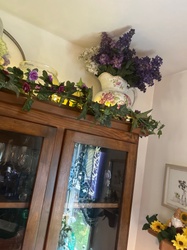
Submitted item photo
Submitted photo · June 6, 2026

User's notes

No additional notes provided.

AI analysis below

AI appraisal

AI analysis & estimate

AI-Generated · Verify before acting

Everything below is generated by AI for informational purposes only. AI can make mistakes — the AI may misidentify items or misattribute them (artist, maker, brand, designer, origin, era). This is not an official valuation and should not be used for insurance, sale, tax, estate, legal, or lending purposes — or any decision requiring a certified appraisal. It is not an authoritative claim about any person, brand, or rights holder — do not share or rely on it as a factual statement about a third party. Always consult qualified professionals before making financial decisions.

Read the full disclaimer

AI Identification

·Not independently authenticated·Verify before acting

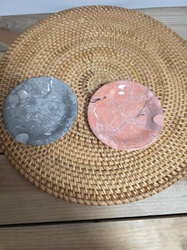
Ceramic Fruit-Decorated Candle Holder

Home Decor

AI Estimated Value

·Not an official valuation·Verify before acting

$15-25

As of June 6, 2026

AI Item Analysis

·AI can make mistakes·Verify before acting
This appears to be a small, individual ceramic candle holder, likely designed for a taper or small votive candle, due to the central well. The item is characterized by its white glazed ceramic body, which serves as a base. It features a decorative, scalloped edge around the perimeter of the base, adding a delicate touch to its design. The most prominent feature is the applied and painted fruit motif adorning the rim of the base. These fruits include clusters of grapes in shades of purple and green, and individual fruits resembling peaches or small apples in pink and yellow hues, all interspersed with green leaves. The fruits are rendered in a three-dimensional, relief style, suggesting hand-applied detailing. The central candle well is also white, with a fluted or petal-like rim, echoing the scalloped border of the base. The piece exhibits a glossy finish indicative of a ceramic glaze. There are no visible maker's marks or signatures from the provided image. The style suggests a decorative item from the latter half of the 20th century, possibly 1970s-1990s, often associated with country, cottage, or traditional decor. Condition appears to be good with no obvious chips, cracks, or significant wear, though a closer inspection would be needed to confirm this. The craftsmanship appears to be of a mass-produced standard, with some hand-painting evident in the fruit details.
AI Appraisal Report

·AI can make mistakes·Verify before acting
I have virtually examined this ceramic fruit-decorated candle holder. Visually, the condition appears good, with no obvious chips, cracks, or significant wear, suggesting it has been well-preserved or saw light use. The glossy glaze is consistent across the piece. Authenticity as a mass-produced decorative item from the latter half of the 20th century (likely 1970s-1990s) is consistent with the applied fruit motif and overall style, which aligns with country or traditional home decor trends of that era. This type of item falls into a competitive market for vintage decorative ceramics. Comparable mass-produced ceramic candle holders, especially those with similar fruit or floral motifs, typically retail in the $10-$30 range, depending on condition and intricate detailing. While the hand-painted elements add a touch of individuality, they don't elevate it to a highly collectible art pottery class. Demand for such items is moderate, primarily driven by niche collectors or individuals outfitting period-specific decor. Rarity is low; countless similar items were produced. The primary value drivers are its good condition and endearing decorative style. The absence of a maker's mark limits higher value attribution, as it prevents identification of a potentially more sought-after manufacturer. Without a physical inspection, I cannot definitively ascertain micro-fissures, crazing in the glaze, or repairs that might affect value. A hands-on examination would also allow for a more precise assessment of the fruit application quality and any subtle manufacturing flaws. Provenance documentation, while unlikely for such a piece, would clarify its origins; however, given its nature, such documentation isn't typically available or expected.

Get your items appraised

Instant estimates of your treasures with AI-powered appraisals

Browse More Appraisals