AI identification & appraisal estimate

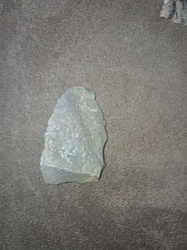
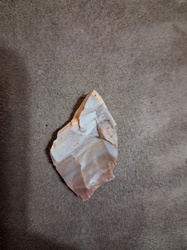
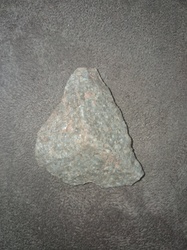
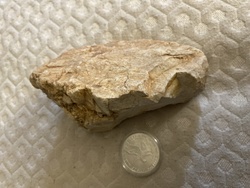
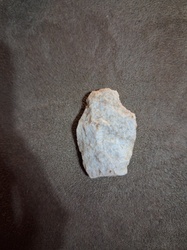
Worked stone flake

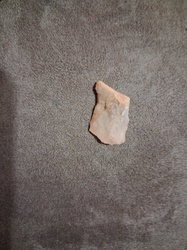
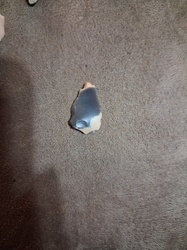
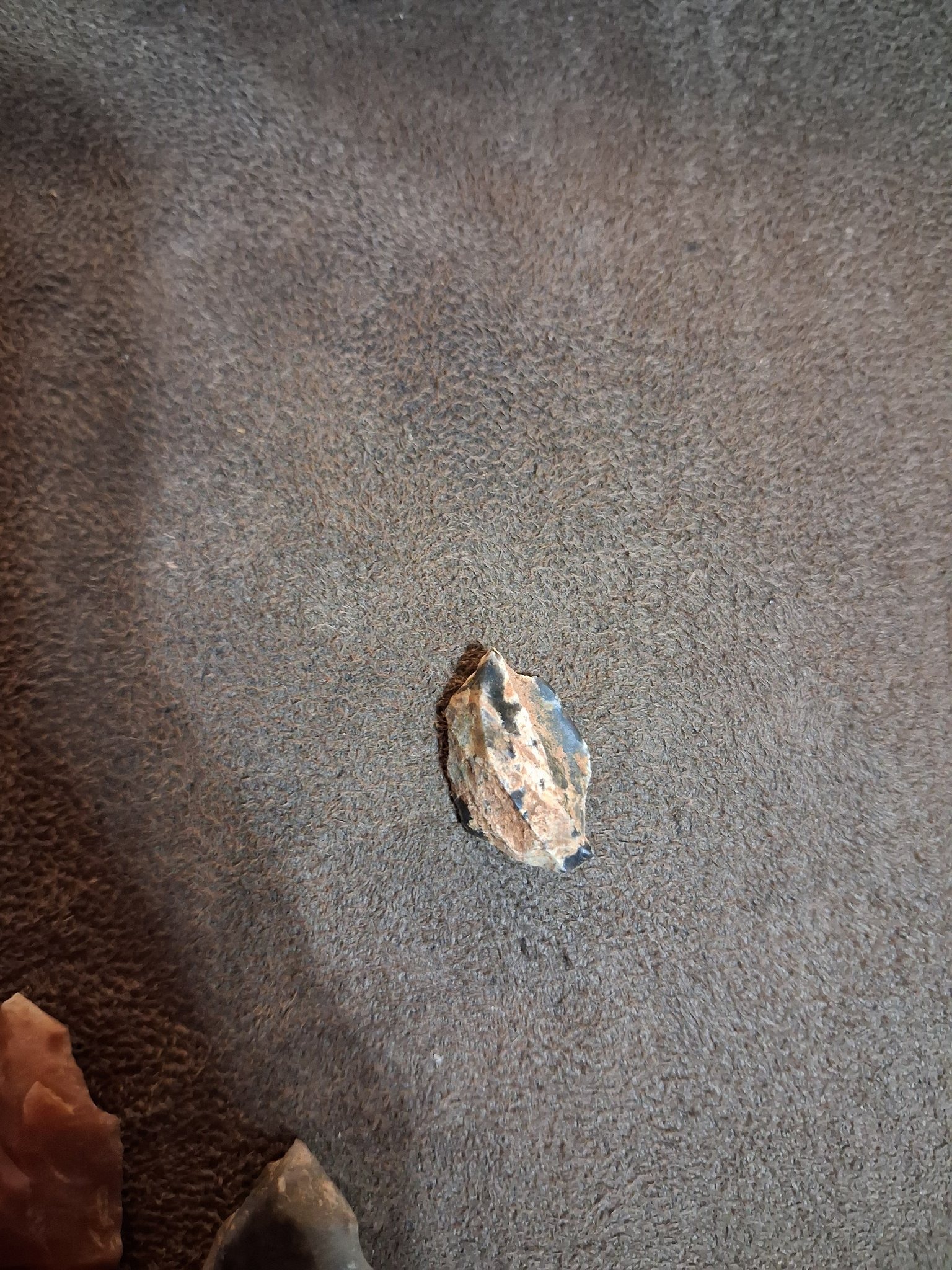
Submitted photo of Worked stone flake
Photo submitted by the user — not generated by AI

AI Estimated Value

Not an official valuation

$50-$150

AI estimate as of September 20, 2026 · verify with a professional before acting

AI-Generated · Verify before acting

Everything on this page is generated by AI for informational purposes only. AI can make mistakes — the AI may misidentify items or misattribute them (artist, maker, brand, designer, origin, era). This is not an official valuation and should not be used for insurance, sale, tax, estate, legal, or lending purposes — or any decision requiring a certified appraisal. It is not an authoritative claim about any person, brand, or rights holder — do not share or rely on it as a factual statement about a third party. Always consult qualified professionals before making financial decisions.

Read the full disclaimer

AI Item Analysis

The item presented is a small, elongated piece of chipped stone resting on a textured brown surface. Visually, the object appears to be a lithic reduction flake, exhibiting characteristics commonly associated with prehistoric stone tool manufacturing or debitage. The piece displays a combination of earthy brown, tan, and dark grey or black coloration, suggesting a chert, flint, or similar cryptocrystalline silicate material. The surface shows distinct areas of conchoidal fracture patterns, pressure flaking scars, and edges that appear to have been shaped or utilized, though physical inspection would be required to confirm intentional retouching versus natural breakage. There are no visible maker's marks, signatures, or labels present on the item. The condition appears consistent with a weathered archaeological surface find, showing natural patina, minor edge chipping, and surface abrasions. The identification of this object as a worked stone flake rests entirely on its morphological features, such as the suggestive flake scars and material composition, rather than any verifiable historical documentation or provenance. Due to the lack of context and the limitations of photographic analysis, the exact age, cultural origin, and specific function of the piece remain unverified and speculative.
AI Appraisal Report

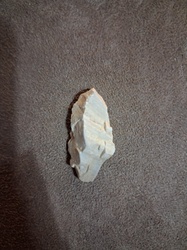
Based on what I can see in the photograph, the item appears to be a small lithic reduction flake, exhibiting characteristics commonly associated with prehistoric stone tool manufacturing, such as conchoidal fracture patterns and pressure flaking scars in an earthy chert or flint material. However, I can't verify from a photo whether the chipping is genuinely ancient human work or the result of modern or natural geological processes. Physical inspection and expert archaeological analysis would be needed to confirm intentional retouching and material composition. The value range of $50-$150 is estimated under the working assumption that this is a genuine surface-collected archaeological artifact. General market demand for unprovenanced, common debitage flakes of this type is relatively modest, typically appealing to niche collectors of prehistoric lithics rather than high-end antiquities buyers. If the piece were to turn out to be a modern replica, a natural geofact, or a reproduction made for educational or display purposes, its commercial value would drop significantly, likely to little more than a nominal geological specimen value of $10-$20. To establish any higher value or cultural context, one would require rigorous in-person examination by a qualified lithic analyst, documented provenance, and compliance with local antiquities laws regarding collection and sale.

Keep exploring

More archaeological artifacts appraisals

Get your items appraised

Instant AI-powered appraisal estimates from a photo

Browse More Appraisals