AI Appraisal Estimate

AI-generated estimates · not official valuations

From the user

What was submitted

Photo and notes provided by the user — not generated by AI

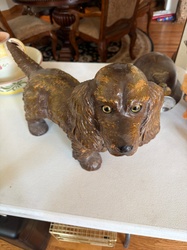
Submitted item photo
Submitted photo · June 13, 2026

User's notes

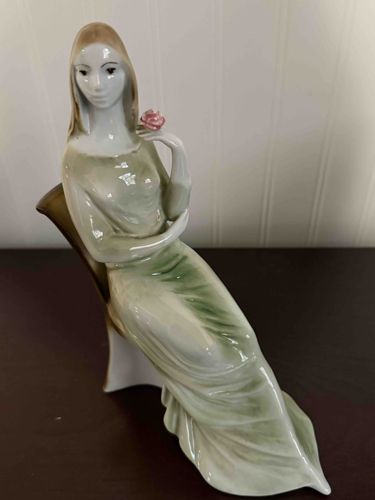
Zsolnay lady with flower vintage figurine

AI analysis below

AI appraisal

AI analysis & estimate

AI-Generated · Verify before acting

Everything below is generated by AI for informational purposes only. AI can make mistakes — the AI may misidentify items or misattribute them (artist, maker, brand, designer, origin, era). This is not an official valuation and should not be used for insurance, sale, tax, estate, legal, or lending purposes — or any decision requiring a certified appraisal. It is not an authoritative claim about any person, brand, or rights holder — do not share or rely on it as a factual statement about a third party. Always consult qualified professionals before making financial decisions.

Note

This analysis also relies on unverified notes provided by the user, which may be incomplete or inaccurate and could affect the result.

Read the full disclaimer

AI Identification

·Not independently authenticated·Verify before acting

Zsolnay Pecs Ceramic Figurine of a Seated Lady with Flower

Vintage Ceramic Art/Figurines

AI Estimated Value

·Not an official valuation·Verify before acting

$150 - $250

As of June 13, 2026

AI Item Analysis

·AI can make mistakes·Verify before acting
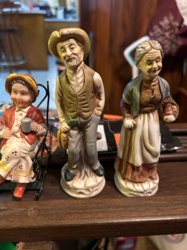
This is a vintage hand-painted ceramic figurine produced by the renowned Zsolnay Pecs factory in Hungary. The sculpture depicts a stylized, elegant woman seated in a reclined posture, holding a delicate pink flower to her chest. Following the Mid-Century Modern or 'Retro' aesthetic prevalent in the mid-20th century (circa 1960s-1970s), the piece features elongated, minimalist facial features and a flowing, organic form. The figurine is crafted from fine porcelain or stoneware and finished with a high-gloss glaze. The color palette is dominated by muted, earthy tones: the woman wears a draped gown with a sage green and brown variegated glaze that highlights the folds of the fabric, while her hair is rendered in a soft tan. Her skin is a creamy white, and her eyes and eyebrows are painted with simple, dark minimalist strokes. The flower provides a singular pop of soft pink. Architecturally, the piece stands vertically with the dress flaring out at the base to ensure stability. Based on the visual inspection, the piece appears to be in excellent vintage condition with no visible chips, cracks, or repairs. The glaze maintains a brilliant sheen without significant crazing, though typical shelf wear on the unglazed underside of the base is expected. Such pieces typically bear the stamped Five Churches Zsolnay logo on the bottom and are prized for their unique 'Pec' craftsmanship and artistic fluidity.
AI Appraisal Report

·AI can make mistakes·Verify before acting
Based on my visual examination of this mid-century Zsolnay Pécs figurine, I have assessed the item as a legitimate example of the 'Retro' style produced in Hungary during the 1960s-1970s. The piece exhibits the characteristic 'Pécs' high-gloss finish and a stylized, minimalist form popular during the Eosin-alternative era. The condition appears exemplary; the variegated sage and brown glazes show no signs of micro-crazing or color degradation, and the delicate pink flower—the most vulnerable element—remains intact. Current market demand for Zsolnay is strong, particularly for pieces that bridge the gap between traditional folk art and Mid-Century Modernism. While these monochromatic and earthy-toned figures are more common than the iridescent Eosin-glaze rarities from the Art Nouveau period, they remain highly collectible for interior designers. Recent auction results for similar female figures by Zsolnay range from $120 to $300 depending on the complexity of the glaze and the presence of the 'Five Churches' hallmark. A significant factor in this valuation is the pristine condition of the extremities. Please note that this appraisal is based on photographic evidence. A definitive authentication requires an in-person inspection to verify the tactile quality of the glaze, the specific weight of the ceramic body, and a microscopic examination of the manufacturer’s stamp for forgery detection. Documentation such as an original purchase receipt or gallery provenance would further solidify this valuation.

Get your items appraised

Instant estimates of your treasures with AI-powered appraisals

Browse More Appraisals