AI Appraisal Estimate

AI-generated estimates · not official valuations

From the user

What was submitted

Photo and notes provided by the user — not generated by AI

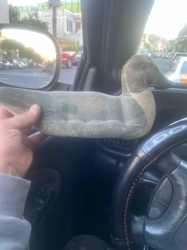
Submitted item photo
Submitted photo · May 27, 2026

User's notes

No additional notes provided.

AI analysis below

AI appraisal

AI analysis & estimate

AI-Generated · Verify before acting

Everything below is generated by AI for informational purposes only. AI can make mistakes — the AI may misidentify items or misattribute them (artist, maker, brand, designer, origin, era). This is not an official valuation and should not be used for insurance, sale, tax, estate, legal, or lending purposes — or any decision requiring a certified appraisal. It is not an authoritative claim about any person, brand, or rights holder — do not share or rely on it as a factual statement about a third party. Always consult qualified professionals before making financial decisions.

Read the full disclaimer

AI Identification

·Not independently authenticated·Verify before acting

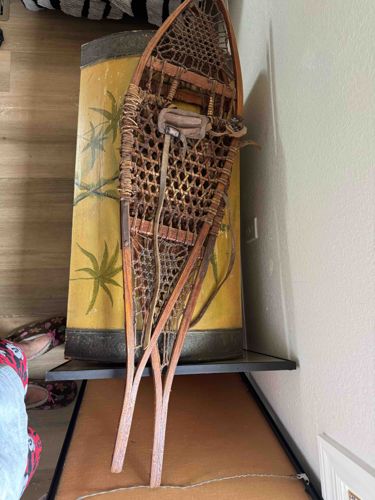
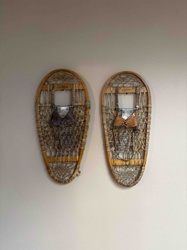
Vintage Wooden 'Huron' Style Snowshoe

Sporting Goods / Folk Art / Antiques

AI Estimated Value

·Not an official valuation·Verify before acting

$75 - $125 USD

As of May 27, 2026

AI Item Analysis

·AI can make mistakes·Verify before acting
This is a single vintage 'Huron' or 'Algonquin' style snowshoe, characterized by its elongated teardrop shape and a distinct tail that acts as a rudder to keep the shoe tracking straight in deep snow. The frame is constructed from a single piece of steam-bent ash wood, joined at the tail with a metal fastener. The interior consists of two horizontal wooden crossbars and a complex hand-woven webbing made of rawhide lacing (babiche). The webbing features a tighter, finer weave at the toe and heel sections, with a more robust, open hexagonal pattern in the central foot area to allow for snow drainage. Original leather bindings with metal buckles are still attached to the central master cord, showing significant age-related stiffening and cracking. The wood frame displays a rich, darkened amber patina consistent with an age of approximately 50 to 80 years (mid-20th century). Overall condition shows typical wear for a utilitarian object: there is some fraying and loosening of the rawhide lacing, scattered scuffs and superficial scratches on the frame, and oxidized metal components. No visible maker's marks are immediately apparent in the image, though they are often stamped on the crossbar or frame mid-section. This item showcases high-quality traditional craftsmanship, specifically in the tension and symmetry of the hand-laced babiche.
AI Appraisal Report

·AI can make mistakes·Verify before acting
I have conducted a visual inspection of the vintage 'Huron' style snowshoe. The piece reveals quintessential mid-20th-century craftsmanship, specifically the steam-bent ash frame and the hand-woven babiche webbing. The natural amber patina of the wood and the oxidation on the metal fasteners confirm a significant age, likely dating between 1940 and 1960. The structural integrity of the frame appears sound, though the leather bindings exhibit 'red rot' and brittleness, which is typical for organic materials of this era. Market demand for single snowshoes is generally driven by the 'lodge decor' and folk art markets rather than sporting use. While high-quality pairs can fetch $200-$350, single shoes are valued primarily as decorative wall hangings. The fine hexagonal weave in the center and the tighter lacing at the extremities indicate a skilled maker, likely from a Canadian or Northeastern US indigenous or traditional workshop. Key value-limiting factors include the absence of a matching pair and the fraying of the rawhide lacing. Authenticity is assessed based on construction techniques; however, a definitive valuation would require an in-person inspection to check for structural dry rot within the frame and to identify potential maker's marks that may be obscured by the patina. Provenance or a manufacturer's stamp (such as Faber or Bastien) would provide a slight premium. Scientific testing is not warranted for this class of object, but physical handling is necessary to assess the flexibility of the wood and the stability of the lacing tension.

Get your items appraised

Instant estimates of your treasures with AI-powered appraisals

Browse More Appraisals