AI Appraisal Estimate

AI-generated estimates · not official valuations

From the user

What was submitted

Photo and notes provided by the user — not generated by AI

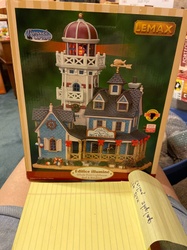
Submitted item photo
Submitted photo · June 25, 2026

User's notes

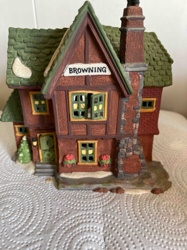
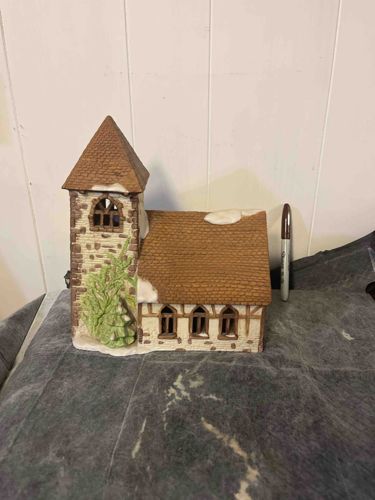
Ceramic Dickens village Church Studio 1985

AI analysis below

AI appraisal

AI analysis & estimate

AI-Generated · Verify before acting

Everything below is generated by AI for informational purposes only. AI can make mistakes — the AI may misidentify items or misattribute them (artist, maker, brand, designer, origin, era). This is not an official valuation and should not be used for insurance, sale, tax, estate, legal, or lending purposes — or any decision requiring a certified appraisal. It is not an authoritative claim about any person, brand, or rights holder — do not share or rely on it as a factual statement about a third party. Always consult qualified professionals before making financial decisions.

Note

This analysis also relies on unverified notes provided by the user, which may be incomplete or inaccurate and could affect the result.

Read the full disclaimer

AI Identification

·Not independently authenticated·Verify before acting

Studio 1985 Ceramic Dickens Village Church

Decorative Collectible Village Building

AI Estimated Value

·Not an official valuation·Verify before acting

$15-25

As of June 25, 2026

AI Item Analysis

·AI can make mistakes·Verify before acting
This item is a ceramic model of a church, likely part of a Dickens Village or similar holiday-themed miniature collection. It features a quaint, European-inspired architectural style with a prominent bell tower capped by a sharply peaked, reddish-brown shingled roof. The main body of the church also has a matching reddish-brown shingled roof, lightly dusted with 'snow' in various patches, suggesting a winter scene. The walls of the church are depicted with a textured, fieldstone-like pattern in a light beige or off-white color, accented with dark brown timber-frame detailing, giving it a half-timbered appearance. The windows are arched, with dark frames, and appear to be empty or dark recesses, typical of decorative village pieces designed to be illuminated from within. A notable feature is the artificial light green 'evergreen' shrub or tree attached to the base of the tower, also with a dusting of 'snow'. The base of the entire structure is flat and white, representing a snow-covered ground. The overall craftsmanship suggests mass production, with molded ceramic components and hand-painted details. There are no obvious signs of significant damage like chips or cracks apparent from the image, but specific manufacturing marks are not visible. The provided context indicates it was produced by 'Studio' in '1985', placing its style within the mid-1980s.
AI Appraisal Report

·AI can make mistakes·Verify before acting
I have visually examined the provided image of the Studio 1985 Ceramic Dickens Village Church. Based on my assessment, the item appears to be in good overall condition, showing no obvious chips, cracks, or significant paint loss from the image provided. The dusting of 'snow' and the attached 'evergreen' shrub are consistent with typical holiday village aesthetics. The design is indicative of mass-produced ceramic decorative collectibles from the mid-1980s, aligning with the 'Studio 1985' designation. Authenticity is assumed based on the provided manufacturer and year; however, without an in-person examination of maker's marks or original packaging, I cannot definitively confirm its authenticity or rule out it being a similar-era piece from a different manufacturer. Market conditions for these types of ceramic village pieces from general manufacturers (not high-end, limited production lines) are generally modest. While popular during their era, the sheer volume produced means they are not particularly rare. Demand is primarily from collectors seeking to expand or replace pieces in their holiday village displays. Factors impacting value include the brand (Studio is not a premium brand like Department 56, though it shares a similar aesthetic), condition, and completeness of original packaging if available. The primary limitation in authenticity verification from an image alone is the inability to inspect maker's marks on the base, assess the quality of the ceramic and paint applications up close, and check for repairs or less obvious damage. Full authentication would require a physical inspection, ideally with provenance documentation like original sales receipts or packaging.

Get your items appraised

Instant estimates of your treasures with AI-powered appraisals

Browse More Appraisals