AI Appraisal Estimate

AI-generated estimates · not official valuations

From the user

What was submitted

Photo and notes provided by the user — not generated by AI

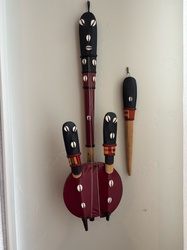
Submitted item photo
Submitted photo · June 30, 2026

User's notes

No additional notes provided.

AI analysis below

AI appraisal

AI analysis & estimate

AI-Generated · Verify before acting

Everything below is generated by AI for informational purposes only. AI can make mistakes — the AI may misidentify items or misattribute them (artist, maker, brand, designer, origin, era). This is not an official valuation and should not be used for insurance, sale, tax, estate, legal, or lending purposes — or any decision requiring a certified appraisal. It is not an authoritative claim about any person, brand, or rights holder — do not share or rely on it as a factual statement about a third party. Always consult qualified professionals before making financial decisions.

Read the full disclaimer

AI Identification

·Not independently authenticated·Verify before acting

Antique C.F. Zimmermann Autoharp

Musical Instruments / Antique Folk Instruments

AI Estimated Value

·Not an official valuation·Verify before acting

$150 - $250

As of June 30, 2026

AI Item Analysis

·AI can make mistakes·Verify before acting
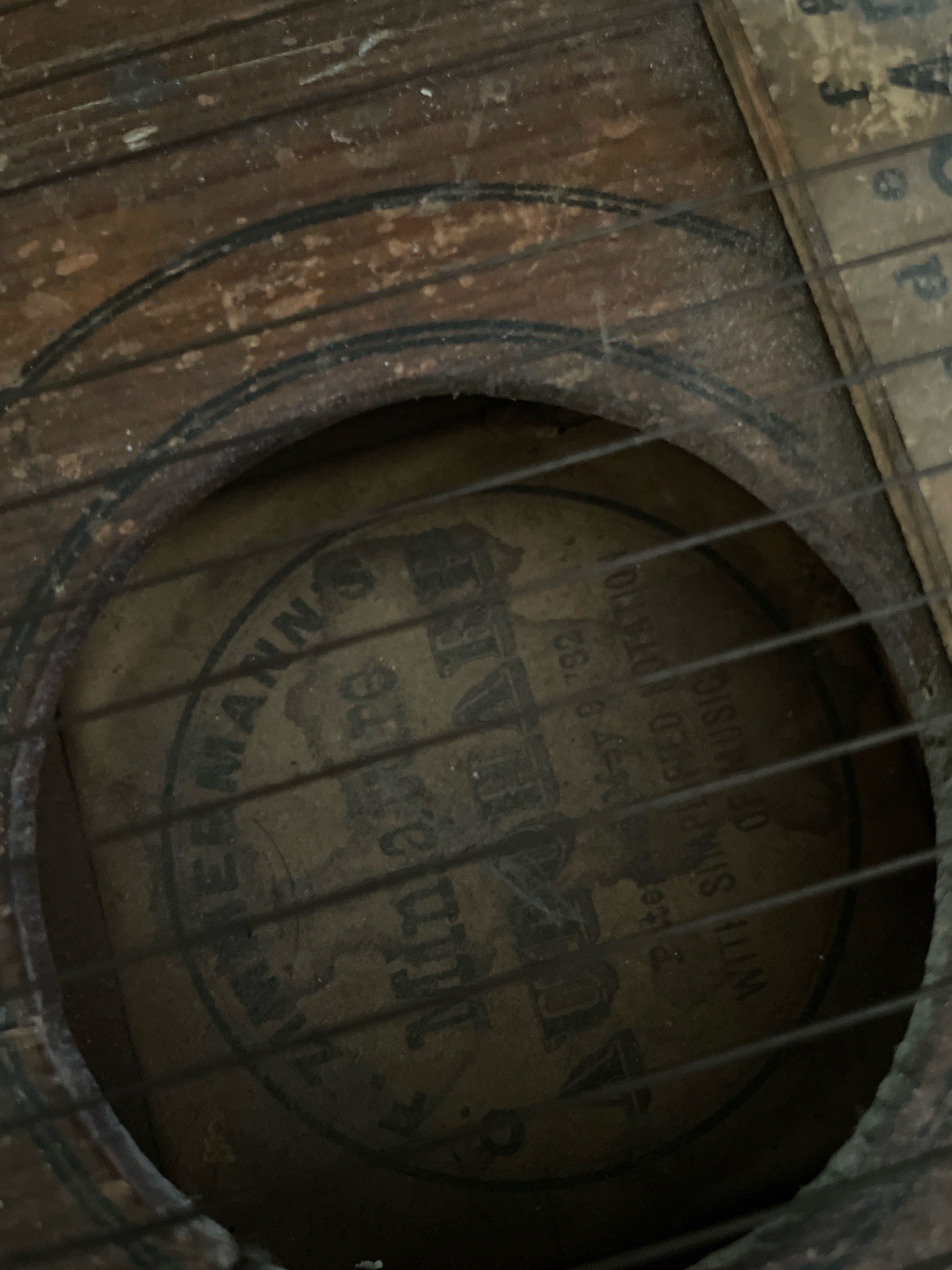
This is an antique stringed musical instrument, specifically a chorded zither known as an Autoharp, manufactured by C.F. Zimmermann. The image provides a detailed view of the soundhole and interior label. The label clearly bears the circular mark of 'C.F. Zimmermann's' and the name 'AUTOHARP' prominently in stylized lettering. It also references a 'Patented May 9, '82' date, placing the original design in the late 19th-century Victorian era. The instrument's soundboard is constructed of wood with a natural, aged finish, exhibiting significant surface wear, scuffs, and a darkened patina consistent with a 19th-century origin. The soundhole is surrounded by simple concentric black line purfling. Visible through the soundhole is the original paper label, which shows substantial foxing, staining, and some material loss, though the text remains legible. The metal strings are closely spaced across the body, showing signs of oxidation and surface rust typical of antique steel strings. The construction reflects the industrial craftsmanship of the late 1800s, meant for amateur parlors and simplified musical notation, as noted on the label text. The overall condition suggests a well-used historical specimen that has not undergone recent restoration, maintaining its original hardware and finish despite the visible environmental aging and accumulation of dust and debris inside the sound chamber.
AI Appraisal Report

·AI can make mistakes·Verify before acting
I have examined the digital images of this C.F. Zimmermann Autoharp. The instrument displays authentic hallmarks of a late 19th-century production, specifically the distinct Zimmermann circular label and the May 9, 1882 patent date. The soundboard finish shows a genuine aged patina and significant wear consistent with the Victorian era. However, the condition is fair to poor. There is visible oxidation on the strings and significant dust and debris accumulation within the soundbox. The label exhibits foxing and minor material loss, which while common, affects the visual appeal for collectors. The market for standard Zimmermann models is relatively saturated; they were mass-produced for the parlor market, meaning rarity is low unless the model features 21+ bars or ornate floral decals, which are not present here. Comparable sales for unrestored 19th-century autoharps typically fall in the $100-$300 range. The value is currently limited by the lack of restoration; the cost to return this to playable condition (restringing and felt replacement) often exceeds the market value. Please note that while the label and hardware appear consistent with originals, a physical inspection is required to check for structural integrity, such as cracks in the soundboard or a warped pin block, which would further devalue the item to 'parts-only' status. Full authentication would require verifying the internal bracing and checking for any non-period repairs hidden by the patina.

Get your items appraised

Instant estimates of your treasures with AI-powered appraisals

Browse More Appraisals