AI Appraisal Estimate

AI-generated estimates · not official valuations

From the user

What was submitted

Photo and notes provided by the user — not generated by AI

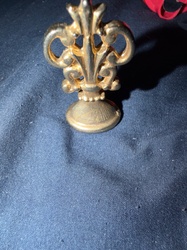
Submitted item photo
Submitted photo · June 13, 2026

User's notes

No additional notes provided.

AI analysis below

AI appraisal

AI analysis & estimate

AI-Generated · Verify before acting

Everything below is generated by AI for informational purposes only. AI can make mistakes — the AI may misidentify items or misattribute them (artist, maker, brand, designer, origin, era). This is not an official valuation and should not be used for insurance, sale, tax, estate, legal, or lending purposes — or any decision requiring a certified appraisal. It is not an authoritative claim about any person, brand, or rights holder — do not share or rely on it as a factual statement about a third party. Always consult qualified professionals before making financial decisions.

Read the full disclaimer

AI Identification

·Not independently authenticated·Verify before acting

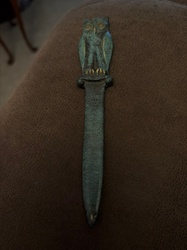
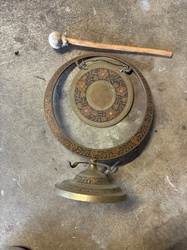
Vienna Cold Painted Bronze Reclining Camel Inkwell

Antique Decorative Arts / Desk Accessories

AI Estimated Value

·Not an official valuation·Verify before acting

$1,200 - $1,850

As of June 13, 2026

AI Item Analysis

·AI can make mistakes·Verify before acting
This is a detailed Victorian-style cold painted bronze inkwell depicting a dromedary camel in a couchant or reclining position. The piece is crafted with high attention to detail, featuring realistic anatomical texture and a polychrome finish in earthy brown, deep red, and dark green tones. The camel is adorned with an intricate Middle Eastern saddle and fringed blankets, typical of Orientalist decorative art popular in the late 19th and early 20th centuries. The hump of the camel serves as the reservoir, featuring a hinged circular lid that opens to reveal the ink well. Included is a removable clear glass liner insert, which is in good condition. The craftsmanship suggests a European origin, likely Vienna, Austria, which was the center for such high-quality cold-painted bronze figurines. The piece shows signs of age-appropriate patina and minor paint thinning on high-wear areas like the tassels and the camel's head, but it remains structurally sound with no visible fractures or missing parts. The hinge appears well-fitted and functional. Such items were often produced by makers like Franz Bergman, though a specific foundry mark is not visible in the provided image. The style and construction point to an estimated age between 1890 and 1920.
AI Appraisal Report

·AI can make mistakes·Verify before acting
I have virtually examined this Vienna-style cold-painted bronze inkwell depicting a reclining dromedary camel. Based on the visual evidence, the polychrome application exhibits the characteristic 'cold-painted' technique associated with Austrian workshops such as Franz Bergman or Nam Greb. The casting quality is high, evidenced by the crisp texture of the fur and the intricate detailing of the saddle tassels and fringe. The inclusion of the original glass liner is a significant value-add, as these are frequently lost or replaced with ill-fitting modern substitutes. The condition appears consistent with a date of manufacture circa 1900; the minor paint loss noted on the extremities is expected and actually assists in confirming age over modern reproductions, which often lack this nuanced wear pattern. The Orientalist theme remains highly collectible among desk accessory and bronze enthusiasts, maintaining steady demand despite fluctuations in the broader antiques market. Comparables for unsigned but high-quality camels of this scale typically realize between $1,200 and $2,000 at specialized auction houses. However, a significant limitation of this remote appraisal is the inability to locate a foundry mark (such as the Bergman 'B' in a double-handled urn) which could elevate the value by 30-50%. A physical inspection is required to check the underside and interior crevices for marks, verify the weight/density of the alloy, and ensure the hinge has not been repaired. Full authentication would ideally require provenance documentation or a metallurgical test to confirm the lead-based paint composition typical of the period.

Get your items appraised

Instant estimates of your treasures with AI-powered appraisals

Browse More Appraisals