AI Appraisal Estimate

AI-generated estimates · not official valuations

From the user

What was submitted

Photo and notes provided by the user — not generated by AI

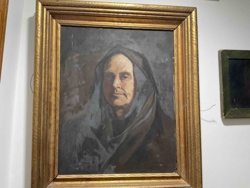
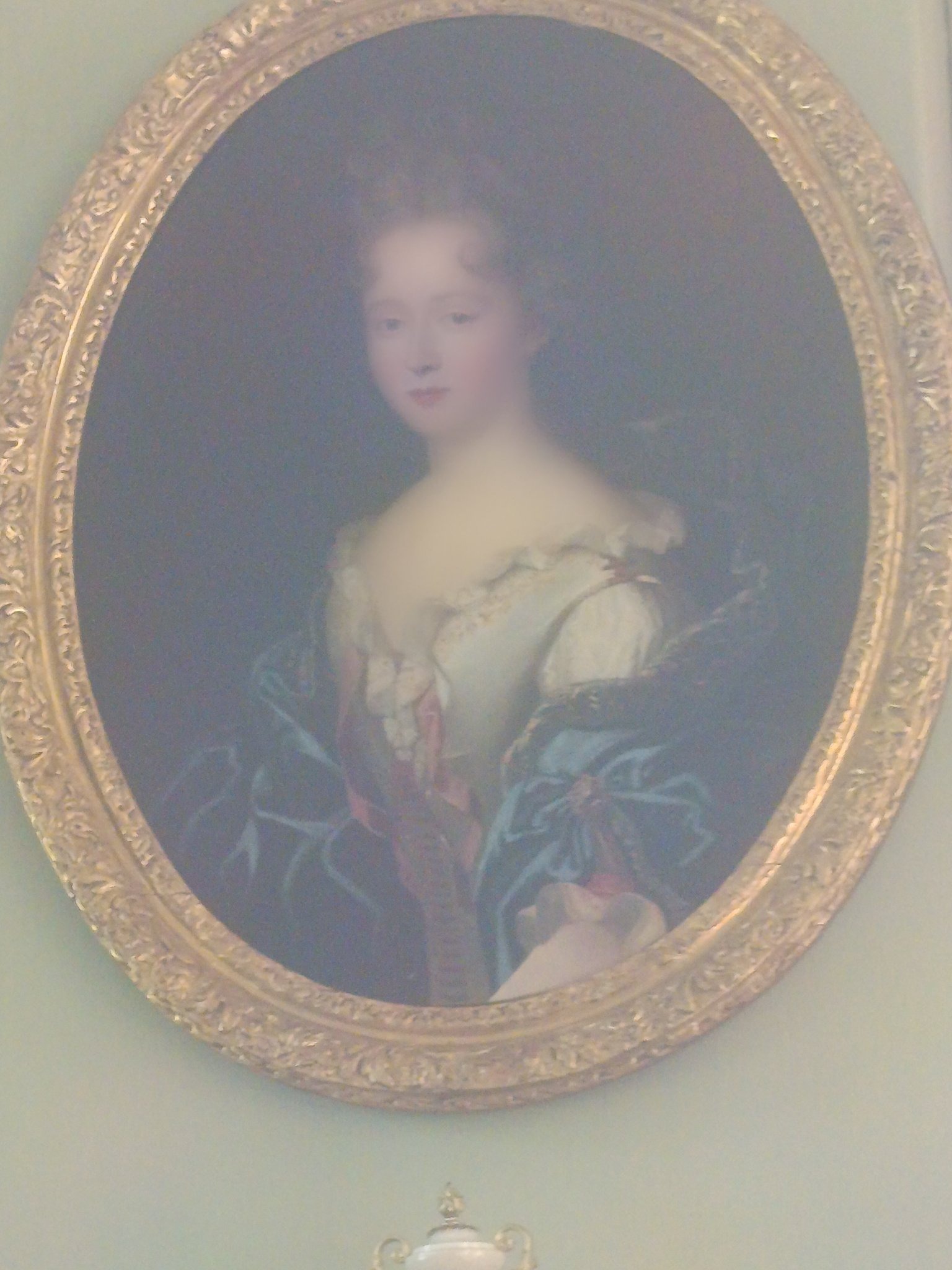
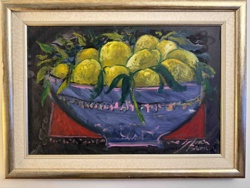
Submitted item photo
Submitted photo · June 12, 2026

User's notes

peinture du Xvii restauré

AI analysis below

AI appraisal

AI analysis & estimate

AI-Generated · Verify before acting

Everything below is generated by AI for informational purposes only. AI can make mistakes — the AI may misidentify items or misattribute them (artist, maker, brand, designer, origin, era). This is not an official valuation and should not be used for insurance, sale, tax, estate, legal, or lending purposes — or any decision requiring a certified appraisal. It is not an authoritative claim about any person, brand, or rights holder — do not share or rely on it as a factual statement about a third party. Always consult qualified professionals before making financial decisions.

Note

This analysis also relies on unverified notes provided by the user, which may be incomplete or inaccurate and could affect the result.

Read the full disclaimer

AI Identification

·Not independently authenticated·Verify before acting

Oval Portrait of a Noblewoman, 17th Century (Restored)

Fine Art - Oil Paintings

AI Estimated Value

·Not an official valuation·Verify before acting

$4,500 - $6,500

As of June 12, 2026

AI Item Analysis

·AI can make mistakes·Verify before acting
This is a significant oil painting from the 17th century, presented in an oval format typical of Baroque European portraiture. The subject is a noblewoman with pale skin, dark hair styled in the fashion of the late 1600s, and a serene facial expression. She is adorned in a low-cut white chemise or bodice accented with delicate lace and pink ribbons, draped with a vibrant teal or blue silk wrap that features intricate embroidery or gold highlighting. The background is dark and monochromatic, a classic technique used to emphasize the sitter's features and high-status attire. The painting is housed in a carved gilt wood frame with ornate scrolling foliate and shell motifs, indicative of a high-quality period or revival frame. The image shows evidence of restoration as noted in the user context, which has preserved many of the fine details in the facial modeling and fabric folds. The surface appears consolidated, though the lighting of the photograph creates a slight haze or glare that obscures some fine craquelure typical of the era. The craftsmanship is highly professional, suggesting an artist of the circle of European court painters. The overall condition appears stable with the frame showing some minor edge wear and age-related patina to the gilding.
AI Appraisal Report

·AI can make mistakes·Verify before acting
I have conducted a remote visual examination of the 17th-century oval portrait of a noblewoman. The work reflects the high Baroque style typical of European court painting, specifically reminiscent of the French or Dutch schools of the late 17th century. The sitter’s attire, characterized by the 'fontange' era hairstyle and the contrast between the delicate lace and the heavily embroidered teal wrap, suggests a subject of significant social standing. The use of a dark, tenebrist background successfully directs focus to the nuanced modeling of the sitter’s face and the high-quality execution of the fabrics. Upon examination, the restoration mentioned by the owner appears professionally handled, stabilizing the canvas and clarifying the pigment. However, restoration can be a double-edged sword; while it improves aesthetic appeal, heavy-handed cleaning can sometimes thin the original glazes. The gilt frame is a standout feature, appearing as a period-appropriate carved wood piece that adds roughly $800-$1,200 in intrinsic value to the overall lot. Market demand for anonymous 17th-century portraits remains stable, though value is heavily capped without a firm attribution to a specific master. Rare or signed works by artists like Mignard or Netscher would command five figures; this piece is valued as 'Circle of' or 'School of' given its current documentation. Limitations: This appraisal is based solely on digital imagery. For definitive authentication, an in-person inspection is required to verify the craquelure patterns, detect overpainting via UV (Wood's lamp) examination, and analyze the canvas weave. Documentation regarding provenance (ownership history) would significantly enhance the valuation. Scientific testing of pigment binders would be necessary to rule out 19th-century revivalism.

Get your items appraised

Instant estimates of your treasures with AI-powered appraisals

Browse More Appraisals