AI Appraisal Estimate

AI-generated estimates · not official valuations

From the user

What was submitted

Photo and notes provided by the user — not generated by AI

Submitted item photo
Submitted photo · June 18, 2026

User's notes

No additional notes provided.

AI analysis below

AI appraisal

AI analysis & estimate

AI-Generated · Verify before acting

Everything below is generated by AI for informational purposes only. AI can make mistakes — the AI may misidentify items or misattribute them (artist, maker, brand, designer, origin, era). This is not an official valuation and should not be used for insurance, sale, tax, estate, legal, or lending purposes — or any decision requiring a certified appraisal. It is not an authoritative claim about any person, brand, or rights holder — do not share or rely on it as a factual statement about a third party. Always consult qualified professionals before making financial decisions.

Read the full disclaimer

AI Identification

·Not independently authenticated·Verify before acting

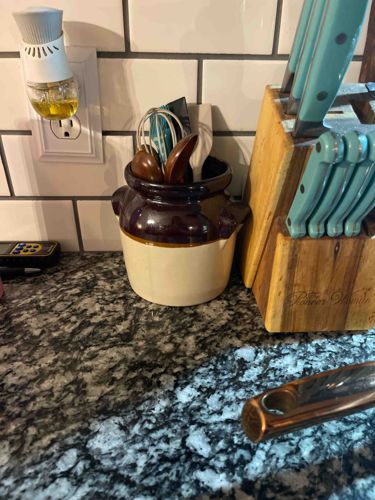
Two-Tone Stoneware Utensil Crock

Kitchenware

AI Estimated Value

·Not an official valuation·Verify before acting

$25-50

As of June 18, 2026

AI Item Analysis

·AI can make mistakes·Verify before acting
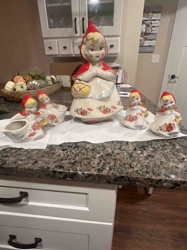
This item is a two-tone stoneware utensil crock, designed for holding kitchen tools. It features a distinctive color scheme with a rich, glossy dark brown glaze dominating the upper two-thirds of the crock, and a matte or satin finish off-white/cream color on the bottom third. The transition between the two colors is a horizontal line that appears somewhat uneven, contributing to its rustic or handcrafted aesthetic. The crock has a cylindrical form with a slightly wider mouth, suggesting ease of access for utensils. Two small, ear-like handles are present on opposite sides of the upper brown section, seamlessly integrated into the design. These handles are also glazed in the same dark brown. The material appears to be ceramic stoneware, known for its durability and resistance to chipping, making it suitable for everyday kitchen use. The visible contents within the crock include various kitchen utensils such as wooden spoons, a whisk with blue/teal handles, and potentially other items, indicating its functional purpose. There are no obvious chips, cracks, or significant wear visible from this perspective, suggesting it is in good condition. The style is reminiscent of traditional canning crocks or pottery from the late 19th to mid-20th century, though modern reproductions are also common. Its practical design and classic appearance make it a versatile piece for a kitchen counter. The craftsmanship appears sturdy and functional, with the glazes uniformly applied, although the exact age or manufacturer cannot be determined from the images provided.
AI Appraisal Report

·AI can make mistakes·Verify before acting
Upon visual examination of the provided image, I assess this Two-Tone Stoneware Utensil Crock to be in very good condition. There are no obvious chips, cracks, or significant wear visible. The glazes appear uniformly applied, although the transition line between the dark brown and off-white/cream is somewhat uneven, which contributes to a handcrafted aesthetic rather than indicating a flaw. The authenticity of this piece as a vintage or antique item versus a modern reproduction is difficult to ascertain from images alone. The style is classic and enduring, reminiscent of early to mid-20th-century functional pottery, but this design is also widely replicated today. Market conditions for such utilitarian stoneware are steady, with demand existing for both authentic vintage pieces and well-made modern iterations. Comparables in the market, whether vintage or contemporary, typically retail in the $20-$60 range for similar pieces in good condition. Factors impacting value include the material's durability (stoneware), functional design, and attractive aesthetic. Were this piece definitively identified as a pottery studio piece from a notable maker or an authentic antique, its value could increase. However, without any maker's marks, provenance, or specific distinguishing features, it is valued primarily on its decorative and functional merits. Limitations in authenticity verification are significant based solely on images. To determine its true age and origin, an in-person examination would be crucial to look for impressed or painted marks, assess the clay body, and feel the glaze texture. Documentation regarding its purchase history or origin would also greatly aid in authentication. Without such information, I must appraise it as a functional and decorative kitchen item with an unknown manufacturing date, reflecting its present condition and utility.

Get your items appraised

Instant estimates of your treasures with AI-powered appraisals

Browse More Appraisals