AI identification & appraisal estimate

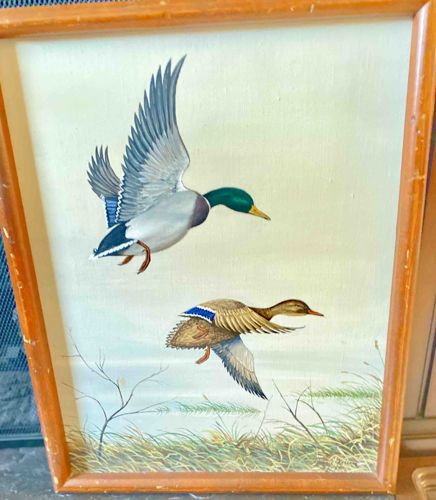
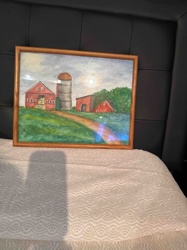
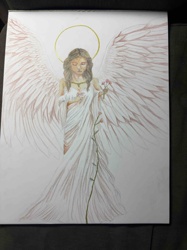
Framed Mallard Duck Painting

Submitted photo of Framed Mallard Duck Painting
Photo submitted by the user — not generated by AI

User's notes

Plays Christmas music

These notes were written by the person who submitted this item. Appraiser.AI has not verified them, and the AI's identification and estimate may rely on them.

AI Estimated Value

Not an official valuation

$40-60

AI estimate as of November 11, 2025 · verify with a professional before acting

AI-Generated · Verify before acting

Everything on this page is generated by AI for informational purposes only. AI can make mistakes — the AI may misidentify items or misattribute them (artist, maker, brand, designer, origin, era). This is not an official valuation and should not be used for insurance, sale, tax, estate, legal, or lending purposes — or any decision requiring a certified appraisal. It is not an authoritative claim about any person, brand, or rights holder — do not share or rely on it as a factual statement about a third party. Always consult qualified professionals before making financial decisions.

This analysis also relies on unverified notes provided by the user, which may be incomplete or inaccurate and could affect the result.

Read the full disclaimer

AI Item Analysis

This item is a framed painting depicting two mallard ducks in flight over a wetland scene. The painting features a male mallard at the top, characterized by its distinctive iridescent green head, white collar, grey body, and brown breast, with outstretched wings predominantly grey with touches of blue secondary feathers. Below it, a female mallard is depicted, identifiable by her mottled brown plumage and also flying with wings extended, showcasing blue secondary feathers. The background is a soft, light blue suggesting a sky or distant water, transitioning into a lighter tone as it approaches the foreground. The foreground features sparse brown bare branches and green and golden-brown marsh grasses, indicating a marsh or wetland environment. The artistic style appears to be realistic, with moderate detail in the feathers and natural poses for the ducks. The painting is housed in a simple, light-colored wooden frame with a visible wood grain. The frame shows signs of wear, including some scuffs and possible chipping, particularly along the edges and corners, suggesting age and handling. The overall condition of the painting itself appears good, with no obvious signs of major damage or discoloration, though the image quality makes it difficult to discern subtle details of the paint surface or canvas. The painting likely dates to the mid to late 20th century, a popular period for wildlife art, particularly duck stamp and hunting-related themes. There are no visible artist's signatures or maker's marks discernible in the provided images. The overall impression is that of a decorative piece, well-suited for a rustic or nature-themed interior.
AI Appraisal Report

I have examined the provided images of this framed painting depicting two mallard ducks in flight. The piece presents as a decorative work of wildlife art, likely dating from the mid to late 20th century. The style is realistic, typical for this popular genre, though it lacks the fine detail of higher-end wildlife artists. The painting itself appears to be in good condition, with no visible fading or damage. The simple wooden frame shows signs of wear, including scuffs and chips, which is consistent with its age but detracts slightly from its overall appeal. The market for unsigned, decorative wildlife art is generally soft and driven by decorative appeal rather than collectibility. Comparable works by unknown artists are widely available and typically sell for modest prices at local auctions, online marketplaces, and secondary art venues. A significant and unusual factor impacting the value is the owner's report that the item plays Christmas music. This feature is highly atypical for a traditional painting and suggests it is a novelty or mass-produced decorative object rather than a unique piece of fine art. This novelty aspect fundamentally changes its classification, placing it in the category of decorative collectibles rather than paintings. This drastically reduces its value compared to an original signed painting. Without a physical inspection, it is impossible to identify an artist's signature that may be obscured or faded. Full authentication would require in-person examination to determine the medium (e.g., oil, acrylic, print), inspect a signature, and assess the nature and condition of the musical mechanism. However, based on the available information and the novelty musical feature, its primary value is decorative.

Keep exploring

More art and collectibles appraisals

Get your items appraised

Instant AI-powered appraisal estimates from a photo

Browse More Appraisals