AI Appraisal Estimate

AI-generated estimates · not official valuations

From the user

What was submitted

Photo and notes provided by the user — not generated by AI

Submitted item photo
Submitted photo · June 15, 2026

User's notes

No additional notes provided.

AI analysis below

AI appraisal

AI analysis & estimate

AI-Generated · Verify before acting

Everything below is generated by AI for informational purposes only. AI can make mistakes — the AI may misidentify items or misattribute them (artist, maker, brand, designer, origin, era). This is not an official valuation and should not be used for insurance, sale, tax, estate, legal, or lending purposes — or any decision requiring a certified appraisal. It is not an authoritative claim about any person, brand, or rights holder — do not share or rely on it as a factual statement about a third party. Always consult qualified professionals before making financial decisions.

Read the full disclaimer

AI Identification

·Not independently authenticated·Verify before acting

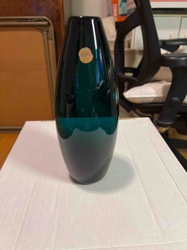
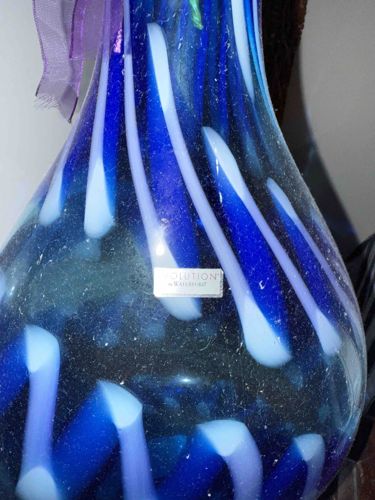
Kästle Glass 'Revolution' Blue and White Art Glass Vase

Art Glass Vase

AI Estimated Value

·Not an official valuation·Verify before acting

$150-250

As of June 15, 2026

AI Item Analysis

·AI can make mistakes·Verify before acting
This art glass vase, bearing a label that reads 'REVOLUTION BY KÄSTLE', displays a vibrant and energetic design. Its primary colors are various shades of blue, ranging from deep royal blue to lighter, almost periwinkle blue, with prominent streaky inclusions of opaque white. The white streaks are irregularly shaped, resembling elongated blobs or drips, and appear to be embedded within the clear and translucent blue glass, suggesting a complex glassblowing technique. The form of the vase is curvaceous, with a wider body that tapers towards a narrower neck, partially visible at the top. The surface of the glass exhibits a glossy finish, typical of polished art glass. While the overall condition appears good from the visible portion, there are numerous small, white specks or particles suspended within the transparent blue glass, which might be intentional inclusions to create a starry or textured effect, or possibly dust/debris trapped during manufacturing. The craftsmanship indicates a hand-blown or artisan-crafted piece, given the organic flow of the colors and the irregular nature of the white inclusions. A light purple, sheer ribbon is loosely tied around the neck, suggesting it might have been part of the original packaging or a decorative addition by the owner. Given the modern aesthetic and the presence of a clear brand label, it likely dates from the late 20th to early 21st century. The quality of the glass and the artistic execution suggest a moderately high-end decorative art object.
AI Appraisal Report

·AI can make mistakes·Verify before acting
Upon visual examination of the provided image, I assess this 'Revolution by Kästle' art glass vase. The condition appears to be good, with a glossy finish and no immediately apparent chips or cracks. The white specks within the blue glass appear to be intentional inclusions, though a physical inspection would confirm if they are dust or manufacturing debris. The presence of the 'Revolution by Kästle' label strongly suggests authenticity as a product of that brand. The design, with its vibrant blue hues and dynamic white streaks, is aesthetically pleasing and consistent with contemporary art glass production. In terms of market conditions, art glass vases from lesser-known contemporary studios or individual artisans like Kästle, while artistic, generally do not command the high prices of established art glass masters (e.g., Chihuly, Tiffany). Comparables from similar quality modern art glass pieces suggest a moderate demand. This piece is not rare; similar artistic, hand-blown vases are regularly available in the secondary market. Factors impacting value include its decorative appeal, perceived quality of craftsmanship, and the recognizable brand label. My assessment for authenticity is limited to the visual presence of the label. For full authentication, a physical examination would be crucial to inspect the glass for any repairs or hidden damage, assess the actual texture of the inclusions, and potentially verify the glass composition. Provenance documentation (e.g., original purchase receipts) or scientific testing (e.g., spectroscopic analysis) would provide definitive confirmation of its origin and age. Without these, the appraisal considers it as an authentic Kästle piece based solely on the visible branding.

Get your items appraised

Instant estimates of your treasures with AI-powered appraisals

Browse More Appraisals