AI Appraisal Estimate

AI-generated estimates · not official valuations

From the user

What was submitted

Photo and notes provided by the user — not generated by AI

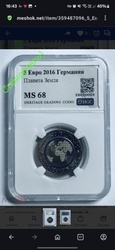
Submitted item photo
Submitted photo · June 13, 2026

User's notes

No additional notes provided.

AI analysis below

AI appraisal

AI analysis & estimate

AI-Generated · Verify before acting

Everything below is generated by AI for informational purposes only. AI can make mistakes — the AI may misidentify items or misattribute them (artist, maker, brand, designer, origin, era). This is not an official valuation and should not be used for insurance, sale, tax, estate, legal, or lending purposes — or any decision requiring a certified appraisal. It is not an authoritative claim about any person, brand, or rights holder — do not share or rely on it as a factual statement about a third party. Always consult qualified professionals before making financial decisions.

Read the full disclaimer

AI Identification

·Not independently authenticated·Verify before acting

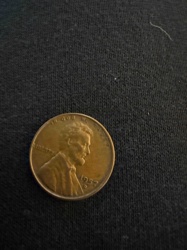
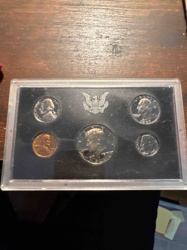
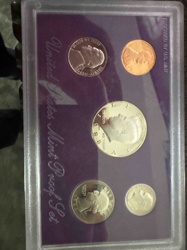
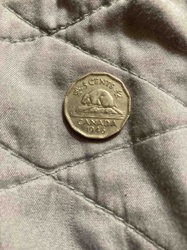
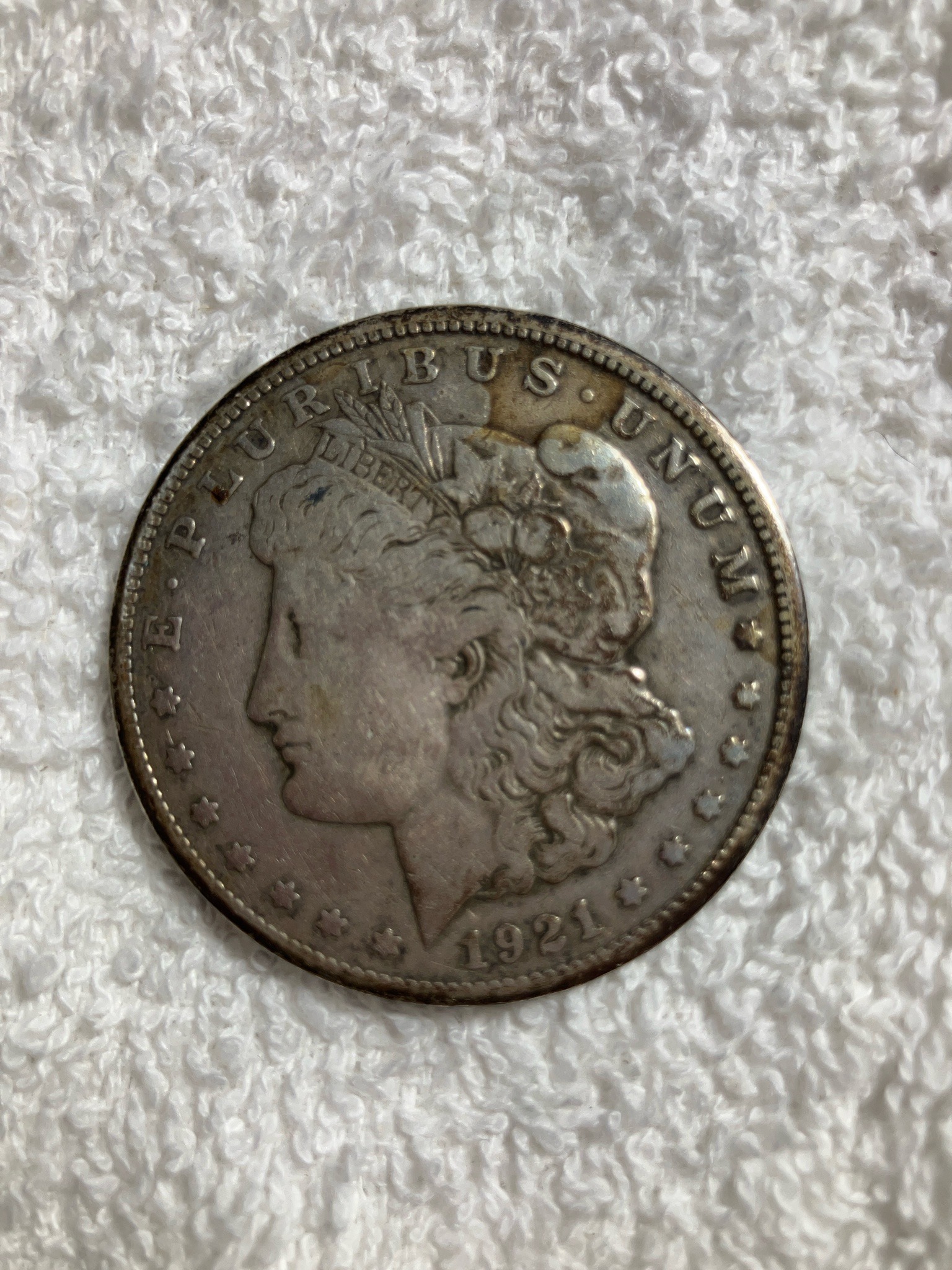
1921 Morgan Silver Dollar

Numismatics / Collectible Coins

AI Estimated Value

·Not an official valuation·Verify before acting

$35.00 - $45.00

As of June 13, 2026

AI Item Analysis

·AI can make mistakes·Verify before acting
This item is a 1921 Morgan Silver Dollar, an iconic American coin composed of 90% silver and 10% copper. The obverse features a profile portrait of Lady Liberty, designed by George T. Morgan, with the inscription 'E PLURIBUS UNUM' and the date '1921' at the bottom. Liberty is depicted wearing a Phrygian cap adorned with wheat and cotton, and a headband inscribed with 'LIBERTY'. The reverse, though not fully visible, typically features a bald eagle with outstretched wings holding an olive branch and arrows. Physically, the coin measures approximately 38.1mm in diameter and originally weighed 26.73 grams. This specific specimen shows significant signs of age and handling. There is heavy peripheral toning, appearing as dark tarnish or 'rim toning' that transitions from deep browns and blacks at the edges to a lighter, metallic silver-grey in the center. The surface exhibits numerous small contact marks and scratches, particularly on the cheek and field areas, which is common for coins that have circulated. The strike appears somewhat soft, typical for many 1921 issues which were struck with slightly shallower relief than previous years. The overall condition suggests a grade in the 'About Uncirculated' to 'Extremely Fine' range due to the visible wear on the high points of Liberty’s hair and the cap. No distinct mint mark is visible on the obverse (mint marks on this coin are located on the reverse above the 'DOLLAR' text); if blank, it indicates a Philadelphia minting.
AI Appraisal Report

·AI can make mistakes·Verify before acting
I have examined the images of the 1921 Morgan Silver Dollar. Visually, the specimen appears consistent with the minting standards of the Philadelphia Philadelphia mint, characterized by the shallower relief strike typical of the final year of production. The coin exhibits 'Extremely Fine' (XF) to 'About Uncirculated' (AU) details, though it is heavily impacted by significant peripheral oxidation and non-uniform toning. While this toning can occasionally add a premium, the dark, irregular tarnish on this specific piece may be viewed as detracting from its eye appeal by most numismatic collectors. The market for 1921 Morgan Dollars is highly liquid but constrained by the sheer volume of production (over 44 million at the Philadelphia mint alone). Unlike earlier key dates, the 1921 is considered a 'common date.' Current market comparables for raw, circulated XF/AU examples consistently trade in the $30 to $50 range, dictated largely by the spot price of silver plus a modest numismatic premium. Critically, a definitive determination of authenticity cannot be made through images alone. In-person examination is required to verify the weight (26.73g), diameter (38.1mm), and acoustic resonance to ensure the specimen is not a silver-plated counterfeit or a 'contemporary counterfeit' made of base metal. Furthermore, I cannot rule out the possibility that the toning is 'artificial' (chemically induced) without observing the luster under a 10x loupe. Full authentication would require testing with a Sigma Metalytics verifier or submission to a third-party grading service such as PCGS or NGC.

Get your items appraised

Instant estimates of your treasures with AI-powered appraisals

Browse More Appraisals