AI Appraisal Estimate

AI-generated estimates · not official valuations

From the user

What was submitted

Photo and notes provided by the user — not generated by AI

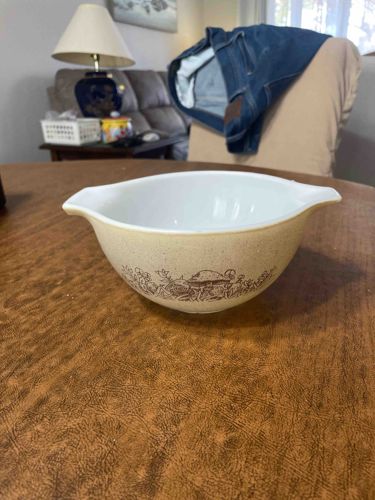
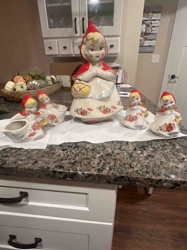
Submitted item photo
Submitted photo · June 18, 2026

User's notes

Pyrex 730 ml bowl. Manufacturers mark on bottom of bowl

AI analysis below

AI appraisal

AI analysis & estimate

AI-Generated · Verify before acting

Everything below is generated by AI for informational purposes only. AI can make mistakes — the AI may misidentify items or misattribute them (artist, maker, brand, designer, origin, era). This is not an official valuation and should not be used for insurance, sale, tax, estate, legal, or lending purposes — or any decision requiring a certified appraisal. It is not an authoritative claim about any person, brand, or rights holder — do not share or rely on it as a factual statement about a third party. Always consult qualified professionals before making financial decisions.

Note

This analysis also relies on unverified notes provided by the user, which may be incomplete or inaccurate and could affect the result.

Read the full disclaimer

AI Identification

·Not independently authenticated·Verify before acting

Pyrex Gooseberry Mixing Bowl (730 ml)

Kitchenware

AI Estimated Value

·Not an official valuation·Verify before acting

$25-40

As of June 18, 2026

AI Item Analysis

·AI can make mistakes·Verify before acting
This item is a vintage Pyrex mixing bowl, identified by its classic opal white interior and a distinct speckled beige or light tan exterior. The bowl features two small, flaring handles or 'ears' on opposite sides of the rim, designed for easy gripping. The most notable feature is the intricate brown transfer-ware pattern that encircles the lower half of the exterior. While difficult to discern every detail from the image, this pattern appears to be the 'Gooseberry' design, which often includes berries and leaves, possibly with a goose or other farm-related motifs. The speckled exterior finish gives it a textured appearance. The bowl measures 730 ml in capacity, as indicated in the additional context, which corresponds to a smaller size within Pyrex's range of utility bowls. Physically, the bowl appears to be in good used condition; no obvious chips, cracks, or significant damage are visible on the exterior or interior surfaces. The gloss of the interior appears well-preserved, suggesting minimal heavy scratching or utensil marks. The Pyrex brand is renowned for its borosilicate glass, known for its durability and heat resistance, making this a functional as well as collectible piece. The 'Gooseberry' pattern was introduced in the late 1950s and early 1960s, placing its estimated age within that vintage period. The manufacturing mark, as mentioned in the context, would be on the bottom, typical of Pyrex ware, confirming its authenticity and specific model details upon inspection. The craftsmanship is consistent with mass-produced quality kitchenware of its era, known for dependable utility.
AI Appraisal Report

·AI can make mistakes·Verify before acting
I have visually examined this Pyrex Gooseberry Mixing Bowl, 730 ml, based on the provided image and information. The bowl presents with the classic opal white interior and a speckled light tan exterior, characteristic of the 'Gooseberry' pattern. The two flaring handles are present, and the overall condition appears to be good used condition, with no obvious chips, cracks, or significant damage evident from the image. The interior gloss seems well-preserved, suggesting minimal utensil wear. The presence of the 'Gooseberry' transfer-ware pattern is consistent with authentic Pyrex production from the late 1950s to early 1960s. Market conditions for vintage Pyrex, especially popular patterns like Gooseberry, remain steady. The 730 ml capacity indicates it's a smaller utility bowl in the set. Comparables for individual bowls of this size and pattern in good condition typically sell within the $20-$45 range, depending on sales channel and buyer urgency. Demand for Gooseberry Pyrex is moderate; it is a beloved pattern but not exceedingly rare, particularly for individual smaller pieces. Factors positively impacting value include the seemingly excellent preservation of the pattern and lack of visible damage. The primary limitation to a full authenticity verification is the reliance on images. An in-person examination would allow for tactile inspection for hairline cracks, pattern wear not visible in photos, and a definitive read of the manufacturer’s mark on the bottom. While the seller states a mark is present, I cannot confirm its details or condition. Provenance documentation (original purchase receipts) would further bolster authenticity, but is rarely available for items of this age.

Get your items appraised

Instant estimates of your treasures with AI-powered appraisals

Browse More Appraisals