AI Appraisal Estimate

AI-generated estimates · not official valuations

From the user

What was submitted

Photo and notes provided by the user — not generated by AI

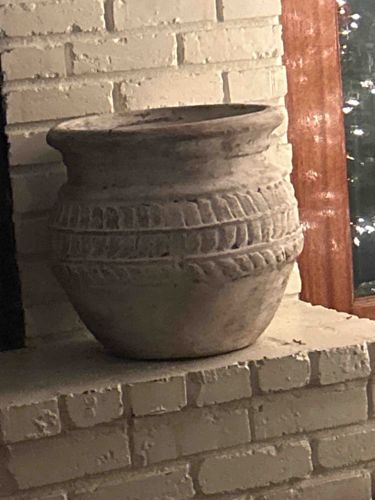
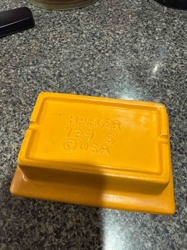
Submitted item photo
Submitted photo · May 18, 2026

User's notes

No additional notes provided.

AI analysis below

AI appraisal

AI analysis & estimate

AI-Generated · Verify before acting

Everything below is generated by AI for informational purposes only. AI can make mistakes — the AI may misidentify items or misattribute them (artist, maker, brand, designer, origin, era). This is not an official valuation and should not be used for insurance, sale, tax, estate, legal, or lending purposes — or any decision requiring a certified appraisal. It is not an authoritative claim about any person, brand, or rights holder — do not share or rely on it as a factual statement about a third party. Always consult qualified professionals before making financial decisions.

Read the full disclaimer

AI Identification

·Not independently authenticated·Verify before acting

Rustic Carved Terracotta Olla Pot

Decorative Arts / Pottery

AI Estimated Value

·Not an official valuation·Verify before acting

$450 - $650

As of May 18, 2026

AI Item Analysis

·AI can make mistakes·Verify before acting
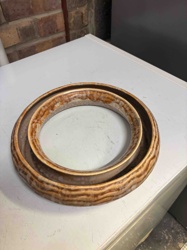
This is a large, hand-formed earthenware or terracotta vessel, commonly referred to as an olla, showcasing a rustic and weathered aesthetic. The pot features a wide, rounded body that tapers towards a flat base and ascends into a cinched neck with a prominent bullnose rim. Constructed from a coarse clay, the surface is finished in a muted, earthy gray-beige wash with visible remnants of white or lime-based slip, suggesting an aged or 'weathered' patina. The central decorative element consists of two horizontal bands of hand-carved, chevron-patterned relief work around the belly, resembling stylized laurel leaves or wheat ears. The craftsmanship appears artisanal and intentionally irregular, indicating a hand-thrown or hand-coiled origin rather than mass industrial production. Visible surface abrasions, minor pitting, and uneven textural variations contribute to its vintage character. While it mimics Mediterranean or Southwestern folk pottery from the early to mid-20th century, the uniformity of the carving suggests it may be a high-quality contemporary decorative piece designed to evoke an antique presence. No specific maker's marks are visible in the orientation provided, though the pot demonstrates substantial weight and durability.
AI Appraisal Report

·AI can make mistakes·Verify before acting
I have virtually examined this large hand-formed terracotta olla. The vessel displays a robust, bulbous form with a notable bullnose rim and flat base. The decorative chevron-patterned bands are hand-carved, exhibiting an intentional irregularity consistent with artisanal craftsmanship. The surface treatment, a lime-based wash over gray-beige clay, successfully mimics a weathered patina; however, the lack of significant structural calcification or historic oxidation suggests this is likely a high-end contemporary decorative piece intended for the 'modern rustic' market rather than an early 20th-century ethnographic artifact. The condition appears excellent for a piece of this type, with minor pitting and surface abrasions that enhance its aged aesthetic without compromising structural integrity. In the current decorative arts market, large-scale terracotta vessels of this quality are in high demand for interior design, specifically within 'Wabi-sabi' and 'Mediterranean Modern' aesthetics. Comparables for similar non-marked contemporary artisanal pots typically hammer between $400 and $800 at boutique auctions. Value is driven by the scale and the hand-carved relief work, which elevates it above mass-produced mold-made imports. However, the lack of a maker’s mark or provenance limits its investment potential as a collectible. IMPORTANT LIMITATIONS: This appraisal is based solely on visual analysis of images. A physical inspection is required to determine the exact composition of the slip, check for interior residue that might indicate historic functional use, and verify weight/density. Scientific testing (such as thermoluminescence) or documented provenance would be necessary to confirm an antique origin, which could significantly increase the valuation.

Get your items appraised

Instant estimates of your treasures with AI-powered appraisals

Browse More Appraisals