AI Appraisal Estimate

AI-generated estimates · not official valuations

From the user

What was submitted

Photo and notes provided by the user — not generated by AI

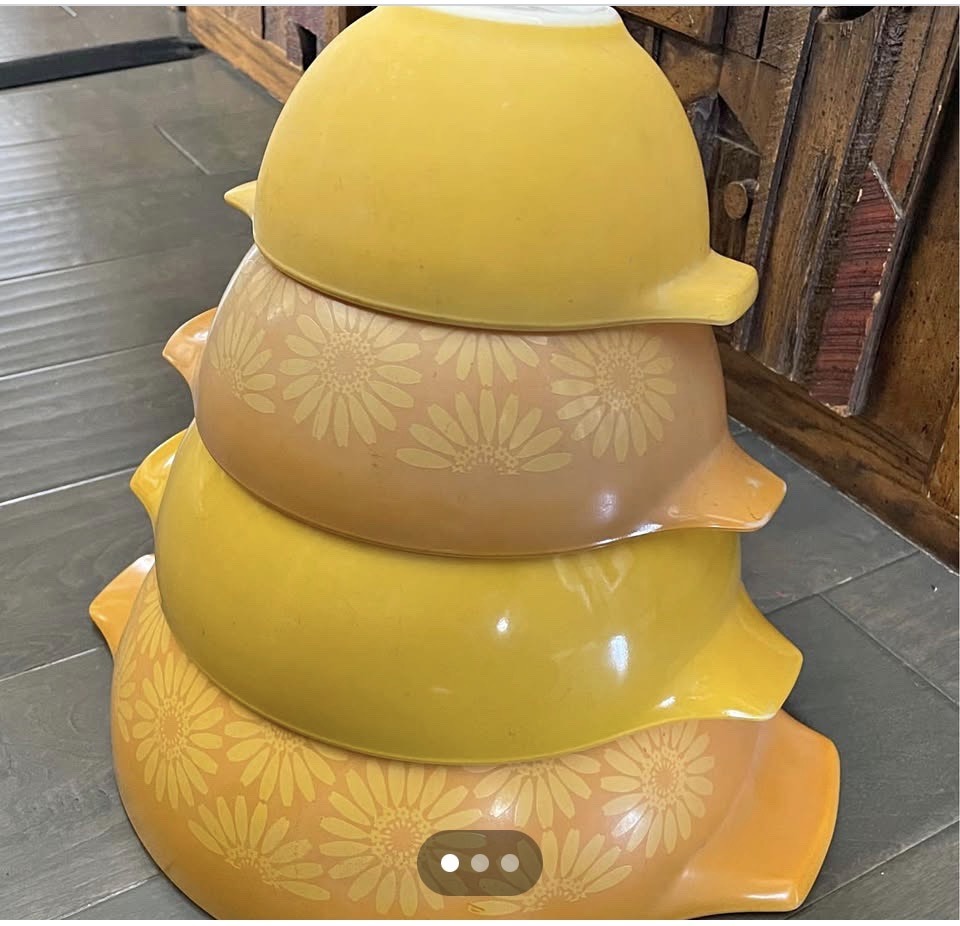
Submitted item photo
Submitted photo · June 13, 2026

User's notes

No additional notes provided.

AI analysis below

AI appraisal

AI analysis & estimate

AI-Generated · Verify before acting

Everything below is generated by AI for informational purposes only. AI can make mistakes — the AI may misidentify items or misattribute them (artist, maker, brand, designer, origin, era). This is not an official valuation and should not be used for insurance, sale, tax, estate, legal, or lending purposes — or any decision requiring a certified appraisal. It is not an authoritative claim about any person, brand, or rights holder — do not share or rely on it as a factual statement about a third party. Always consult qualified professionals before making financial decisions.

Read the full disclaimer

AI Identification

·Not independently authenticated·Verify before acting

Vintage Pyrex Cinderella Mixing Bowl Set in 'Daisy' Pattern

Vintage Kitchenware / Collectible Glass

AI Estimated Value

·Not an official valuation·Verify before acting

$60 - $85

As of June 13, 2026

AI Item Analysis

·AI can make mistakes·Verify before acting
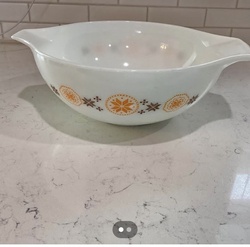
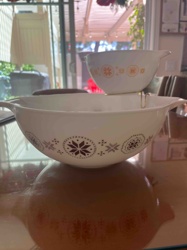
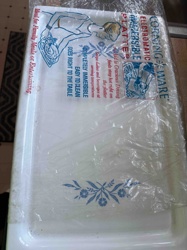
This is a four-piece graduated nesting set of Pyrex 'Cinderella' style mixing bowls featuring the 'Daisy' pattern, which was originally produced by Corning Glass Works between 1968 and 1973. The set consists of alternating solid yellow and patterned orange bowls. The 'Cinderella' design is characterized by its dual-purpose pouring spouts which also serve as handles. The material is opal (white) glass with a durable fired-on decorative finish. The largest bowl (No. 444) and the second-smallest bowl (No. 442) feature a repeating orange and yellow floral daisy motif against a vibrant orange background. The top bowl (No. 441) and the third bowl (No. 443) are solid sunny yellow. The construction shows the heavy, thick-walled durability typical of 20th-century American borosilicate or soda-lime glass kitchenware. Condition-wise, the bowls exhibit visible signs of age and utility. There is significant 'DWD' (Dishwasher Damage) or 'scuffing' apparent on the orange daisy patterns, where the finish appears matte rather than glossy, and some pigment loss is visible on the flower petals. The solid yellow bowls show some light utensil marks and minor finish wear along the rims. Despite the surface wear, no major chips or structural cracks are immediately visible in the image. This set is a classic example of Mid-Century Modern kitchen design, highly sought after by collectors for its iconic 1970s aesthetic and practical functionality.
AI Appraisal Report

·AI can make mistakes·Verify before acting
I have conducted a visual inspection of this four-piece Pyrex Cinderella Mixing Bowl Set in the 'Daisy' pattern. This set, manufactured between 1968 and 1973, is a hallmark of Mid-Century Modern kitchenware. Based on the images, the items appear authentic, featuring the correct nesting sizes (441-444) and the signature dual-spout 'Cinderella' handles. However, the condition is the primary factor limiting its value. I observed significant dishwasher damage (DWD) on the orange floral bowls, resulting in a matte, chalky finish and pigment loss. These patterns should ideally be high-gloss; the dullness seen here is irreversible and suggests the glass was subjected to harsh detergents or high heat. The solid yellow bowls show typical light utensil marks consistent with domestic use. While the set remains structurally sound without visible chips, collector demand typically favors 'Mint' or 'Near Mint' sets, which can exceed $150. Current market trends for Pyrex remain strong, but 'user-grade' sets like this one trade at a lower price point. Limitations: A physical inspection is required to check for 'flea bites' along the rims and to confirm the presence of original embossed hallmarks on the base. I cannot definitively assess the internal texture or potential hairline cracks from glass fatigue without tactile examination. Full authentication would benefit from observing the opacity of the glass under direct light to ensure no modern reproductions of the pattern have been applied to vintage blanks, though such forgeries are rare for this specific line.

Get your items appraised

Instant estimates of your treasures with AI-powered appraisals

Browse More Appraisals