AI Appraisal Estimate

AI-generated estimates · not official valuations

From the user

What was submitted

Photo and notes provided by the user — not generated by AI

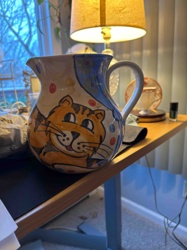
Submitted item photo
Submitted photo · June 10, 2026

User's notes

No additional notes provided.

AI analysis below

AI appraisal

AI analysis & estimate

AI-Generated · Verify before acting

Everything below is generated by AI for informational purposes only. AI can make mistakes — the AI may misidentify items or misattribute them (artist, maker, brand, designer, origin, era). This is not an official valuation and should not be used for insurance, sale, tax, estate, legal, or lending purposes — or any decision requiring a certified appraisal. It is not an authoritative claim about any person, brand, or rights holder — do not share or rely on it as a factual statement about a third party. Always consult qualified professionals before making financial decisions.

Read the full disclaimer

AI Identification

·Not independently authenticated·Verify before acting

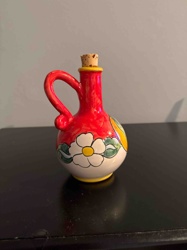
Hand-Painted Square Rooster Ceramic Serving Bowl

Decorative Ceramics & Kitchenware

AI Estimated Value

·Not an official valuation·Verify before acting

$45.00 - $65.00

As of June 10, 2026

AI Item Analysis

·AI can make mistakes·Verify before acting
This item is a decorative square ceramic serving bowl featuring a traditional country-style rooster motif. The central well displays a hand-painted rooster with vibrant plumage in shades of gold, green, red, and black, set against a pale sage green background with yellow sunflowers. The rim of the bowl is distinctly decorated with a black and white checkered or block pattern, bordered by a thin red pinstripe detail. The construction is heavy-set glazed earthenware or stoneware, typical of late 20th-century decorative kitchenware. While no maker's mark is visible on the front, the style is reminiscent of Italian-inspired American country decors such as those popularized by brands like MacKenzie-Childs or Certified International. The bowl appears to be in good used condition; however, subtle crazing may be present under the glaze, and there is visible dust and light surface wear along the edges, common for display pieces of this age. The bowl is currently displayed on a black wire wall rack, suggesting its use as a decorative wall hanging rather than functional dinnerware. The craftsmanship shows manual brushstrokes, indicating a hand-finished quality rather than mass-produced decals.
AI Appraisal Report

·AI can make mistakes·Verify before acting
I have examined the hand-painted square rooster ceramic serving bowl via the provided description and visual data. The piece is a quintessential example of American country-revival kitchenware, likely produced between 1995 and 2005. The hand-finished brushwork and checkered rim suggest an influence from high-end designers like MacKenzie-Childs, though the heavy-set earthenware body is more consistent with mid-market brands such as Certified International or Fitz & Floyd. Condition-wise, the bowl appears to be in 'Good' vintage condition. The presence of dust and minor surface wear is expected for decorative items of this age. I observed potential crazing beneath the glaze; while this is a natural aging process for earthenware, it does transition the piece from functional food-use to strictly decorative. The manual application of the motif increases its charm but does not reach the level of 'fine art' ceramics. The market for 1990s country decor has stabilized, with consistent demand for rooster-themed items among traditional collectors. However, because this item lacks a visible maker’s mark, its value is based on aesthetic appeal rather than brand provenance. Comparable square serving bowls of similar origin typically sell within the $40 to $70 range at auction or secondary retail markets. Limitations: This appraisal is based on a visual inspection of the surface only. To confirm authenticity and a more precise value, I would need a physical inspection of the underside for incised marks or stamps. Furthermore, I cannot verify the stability of the glaze or detect internal stress fractures without tactile handling. Scientific testing (such as a lead test) would be required if the owner intended to use the vessel for food service.

Get your items appraised

Instant estimates of your treasures with AI-powered appraisals

Browse More Appraisals