AI Appraisal Estimate

AI-generated estimates · not official valuations

From the user

What was submitted

Photo and notes provided by the user — not generated by AI

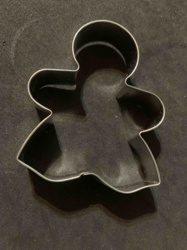
Submitted item photo
Submitted photo · June 18, 2026

User's notes

No additional notes provided.

AI analysis below

AI appraisal

AI analysis & estimate

AI-Generated · Verify before acting

Everything below is generated by AI for informational purposes only. AI can make mistakes — the AI may misidentify items or misattribute them (artist, maker, brand, designer, origin, era). This is not an official valuation and should not be used for insurance, sale, tax, estate, legal, or lending purposes — or any decision requiring a certified appraisal. It is not an authoritative claim about any person, brand, or rights holder — do not share or rely on it as a factual statement about a third party. Always consult qualified professionals before making financial decisions.

Read the full disclaimer

AI Identification

·Not independently authenticated·Verify before acting

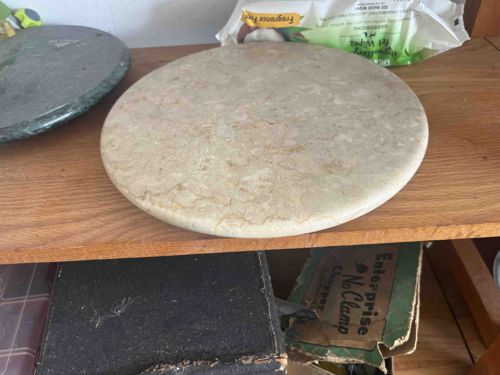
Polished Natural Marble Chakla

Kitchenware / Culinary Tools

AI Estimated Value

·Not an official valuation·Verify before acting

$45.00-$75.00

As of June 18, 2026

AI Item Analysis

·AI can make mistakes·Verify before acting
This item is a circular, flat platform crafted from natural stone, specifically identified as a 'chakla' used in traditional Indian cooking for rolling flatbreads like roti or paratha. It is constructed from a solid piece of beige or light tan marble with significant natural veining and fossil-like patterns throughout. The stone exhibits subtle variations in color ranging from pale cream to deeper earthy ochre tones. The surface is ground and polished to a smooth, matte-to-satin finish, while the edges are rounded for a soft architectural profile. In terms of dimensions, it appears to be approximately 9 to 11 inches in diameter with a thickness of about 0.75 inches. The condition is used but stable; visible surface patina suggests frequent culinary use, with slight darkening in the center from contact with flour and oils. There are no major fractures or chips visible on the upper perimeter, though the underside (not fully visible) typically features short integrated legs or a slightly elevated base for stability. The craftsmanship is utilitarian yet high-quality, typical of hand-turned stonework from the late 20th century. It lacks definitive maker's marks, which is standard for such housewares. The density and weight of the marble serve as quality indicators, providing a cool, thermal-stable surface ideal for dough preparation.
AI Appraisal Report

·AI can make mistakes·Verify before acting
I have conducted a visual inspection of the natural marble chakla. This piece is a classic example of late 20th-century Indian culinary stoneware. The beige marble displays attractive oolitic and fossiliferous characteristics, with a well-developed surface patina that confirms its history of authentic use in dough preparation. The edges show consistent hand-turning, and the lack of structural fractures indicates high material density. The current market for vintage Indian kitchenware is stable, driven primarily by the 'farmhouse' and 'global artisan' interior design trends rather than high-end antique collecting. Comparable items found in specialty kitchen boutiques and vintage marketplaces typically realize prices between $40 and $80 depending on the weight and the unique aesthetic of the veining. The value is primarily utilitarian and decorative, as these items were mass-produced for the domestic Indian market and exported globally. Factors positively impacting value include the significant thickness (approx. 0.75") and the desirable neutral color palette. Factors limiting value include the absence of a maker's mark and common surface staining. Limitations: This appraisal is based on photographic evidence. A physical inspection is required to verify the integrity of the integrated legs and to confirm the absence of hairline fractures that may be hidden by the stone's natural patterns. Full authentication of the age would require provenance documentation or a chemical analysis of the surface oils to determine the era of use. For insurance purposes, I recommend verifying the weight to confirm it is solid natural marble rather than a bonded composite.

Get your items appraised

Instant estimates of your treasures with AI-powered appraisals

Browse More Appraisals