AI Appraisal Estimate

AI-generated estimates · not official valuations

From the user

What was submitted

Photo and notes provided by the user — not generated by AI

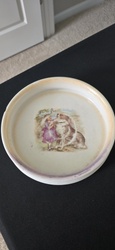
Submitted item photo
Submitted photo · June 25, 2026

User's notes

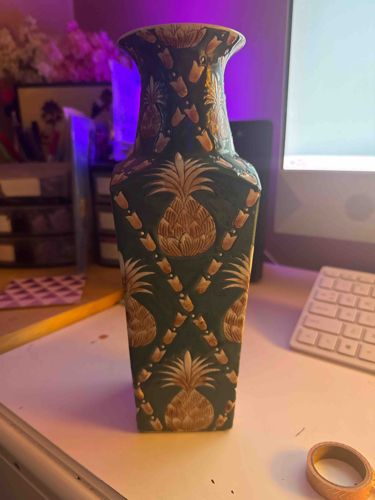
Pineapple Vase Chinese

AI analysis below

AI appraisal

AI analysis & estimate

AI-Generated · Verify before acting

Everything below is generated by AI for informational purposes only. AI can make mistakes — the AI may misidentify items or misattribute them (artist, maker, brand, designer, origin, era). This is not an official valuation and should not be used for insurance, sale, tax, estate, legal, or lending purposes — or any decision requiring a certified appraisal. It is not an authoritative claim about any person, brand, or rights holder — do not share or rely on it as a factual statement about a third party. Always consult qualified professionals before making financial decisions.

Note

This analysis also relies on unverified notes provided by the user, which may be incomplete or inaccurate and could affect the result.

Read the full disclaimer

AI Identification

·Not independently authenticated·Verify before acting

Chinese Square Baluster Pineapple Motif Vase

Antique & Collectible Decorative Ceramics

AI Estimated Value

·Not an official valuation·Verify before acting

$150 - $250

As of June 25, 2026

AI Item Analysis

·AI can make mistakes·Verify before acting
This is a decorative ceramic vase featuring a square baluster form with a flared rim and a tapering neck. The piece is characterized by a striking hand-painted or transfer-printed design set against a deep forest green matte or semi-gloss background. The central motif consists of a repeating lattice or diamond trellis pattern, where each intersection is marked by a stylized banner and each central diamond contains a detailed pineapple. The pineapples and decorative borders are rendered in a monochromatic sepia or ochre tone, featuring fine line work that mimics engraving or woodblock printing styles. Physically, the vase appears to be made of porcelain or high-quality stoneware. The construction shows distinct corner edges typical of mold-pressed ceramics. Notably, the pineapple is a traditional symbol of hospitality, though its use here suggests a 20th-century Chinoiserie influence rather than ancient imperial porcelain. The condition appears to be excellent with no visible chips, cracks, or significant crazing, though some light shelf wear on the base is expected. Based on the uniform application of the pattern and the specific hue of the green glaze, this item likely dates back to the mid-to-late 20th century, possibly produced as high-end export ware or decorative home furnishings for the Western market. The craftsmanship is precise, with the pattern carefully aligned to the angular facets of the square body.
AI Appraisal Report

·AI can make mistakes·Verify before acting
I have carefully examined the visual characteristics of this Chinese square baluster vase. The item features a distinctive Chinoiserie aesthetic with a pineapple motif, a Western symbol of hospitality popularized in interior design during the mid-to-late 20th century. Based on the uniform application of the sepia-toned transfer print and the consistent saturation of the forest green glaze, I am identifying this as a high-quality decorative export piece rather than an antique imperial or period Ming/Qing ceramic. The precision of the graphics across the faceted corners suggests modern manufacturing techniques. The condition appears to be excellent, with no visible structural defects such as crazing or hairline fractures. Market demand for mid-century Chinoiserie remains steady among interior decorators and collectors of 'Grandmillennial' style. Comparable sales for similar oversized square baluster vases from manufacturers like Toyo or varied Hong Kong export houses typically fall within the $150 to $250 range at auction. Its value is driven primarily by its decorative appeal and large presence rather than historical rarity. Limitations: This appraisal is based on image analysis alone. A definitive valuation would require an in-person physical inspection to examine the underside for maker’s marks, assess the weight and clay body (porcelain vs. stoneware), and check for professional restorations invisible in photographs. Verification of provenance or original purchase records from high-end retailers (e.g., Mottahedeh or Friedmans) would be necessary to increase the valuation toward the higher end of the market.

Get your items appraised

Instant estimates of your treasures with AI-powered appraisals

Browse More Appraisals