AI identification & appraisal estimate

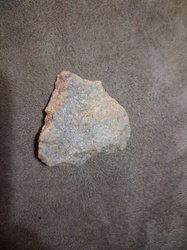
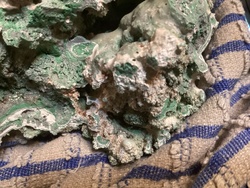
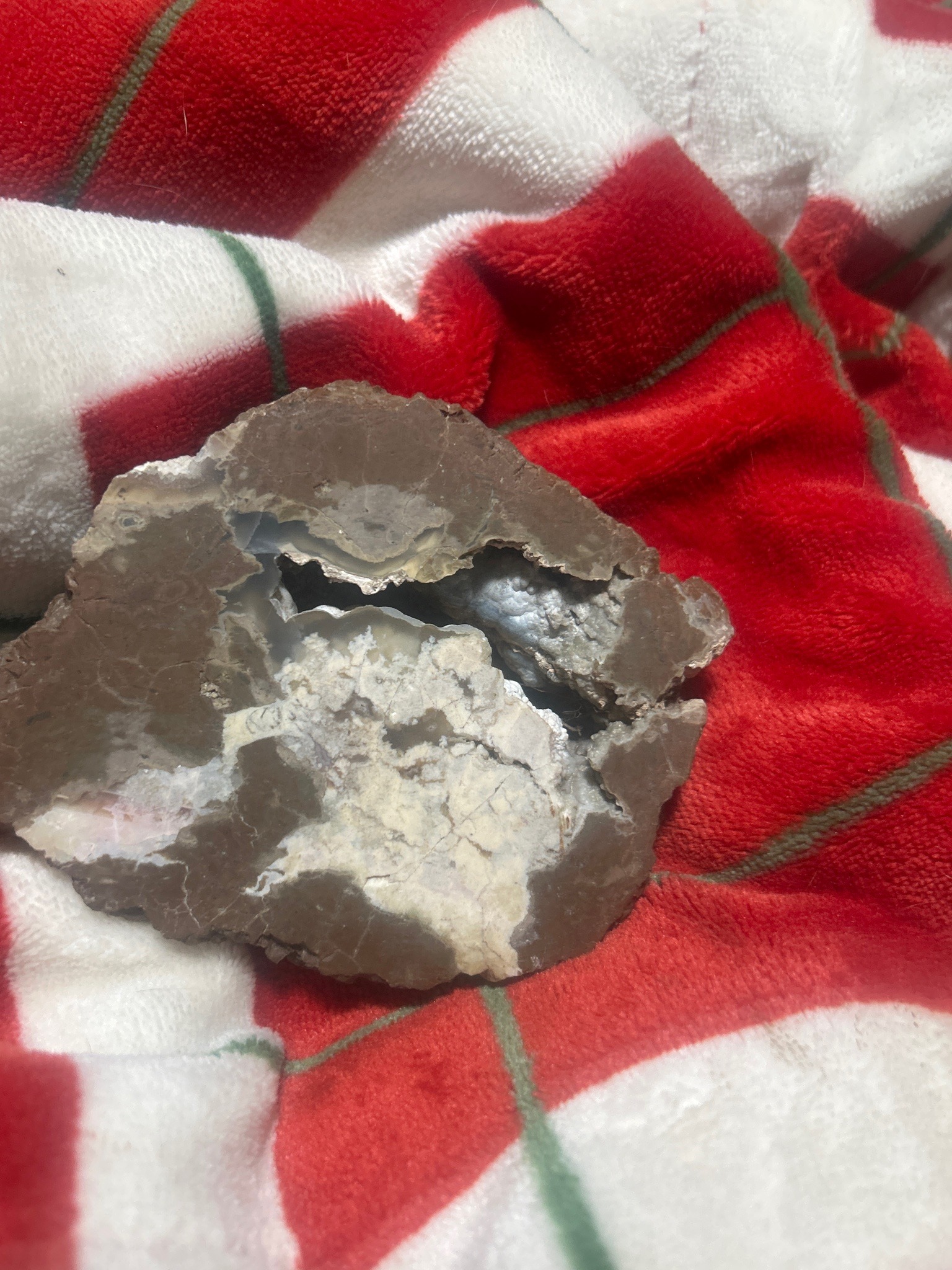
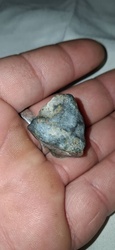
Agate Geode Specimen

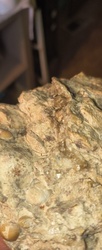
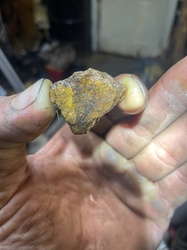
Submitted photo of Agate Geode Specimen
Photo submitted by the user — not generated by AI

User's notes

Geode

These notes were written by the person who submitted this item. Appraiser.AI has not verified them, and the AI's identification and estimate may rely on them.

AI Estimated Value

Not an official valuation

$75-150

AI estimate as of October 31, 2026 · verify with a professional before acting

AI-Generated · Verify before acting

Everything on this page is generated by AI for informational purposes only. AI can make mistakes — the AI may misidentify items or misattribute them (artist, maker, brand, designer, origin, era). This is not an official valuation and should not be used for insurance, sale, tax, estate, legal, or lending purposes — or any decision requiring a certified appraisal. It is not an authoritative claim about any person, brand, or rights holder — do not share or rely on it as a factual statement about a third party. Always consult qualified professionals before making financial decisions.

This analysis also relies on unverified notes provided by the user, which may be incomplete or inaccurate and could affect the result.

Read the full disclaimer

AI Item Analysis

This specimen appears to be an irregularly shaped, split agate geode resting on a red, white, and green patterned textile blanket. The exterior rind of the stone displays a matte, brownish-tan coloration, while the interior cavity reveals a layered matrix of chalcedony, quartz, and banding formations in shades of white, cream, light grey, and subtle bluish hues. The central hollow cavity features textured, botryoidal or crystalline mineral deposits lining the inner walls. There are no visible maker's marks, signatures, stamps, or labels present on the stone, which is typical for raw geological specimens. The item shows natural surface variations, fissures, and rough edges consistent with a naturally occurring mineral formation that has been cut or cracked open to expose the interior crystal growth. The identification as a geode rests on the hollow, mineral-lined cavity surrounded by a distinct outer rind. The owner provides the context 'Geode', which aligns with the visual characteristics observed. Because this is a raw natural specimen without formal assay or geological documentation, its specific geographic origin and exact mineral composition remain unverified from the photographic evidence alone.
AI Appraisal Report

Based on what I can see in the photograph, this specimen appears to be an irregularly shaped, split agate geode displaying an outer matte brownish-tan rind and an interior cavity featuring chalcedony, quartz, and banding formations in white, cream, and bluish hues. Per user submission, the item is identified as a 'Geode.' I cannot verify the exact mineral composition, geographic origin, or geological age from a photograph alone, and physical inspection by a mineralogist or gemologist would be needed to confirm these characteristics. My estimate of $75-150 assumes that the item is a natural, unenhanced geological specimen of comparable size and aesthetic appeal. General market demand for decorative mineral specimens of this type remains steady among collectors and home decorators, with pricing driven primarily by size, aesthetic quality, and crystal formation. If physical testing or inspection were to reveal that this piece is a synthetic reproduction, man-made replica, or treated composite rather than a natural formation, the value would decrease significantly, likely falling into the $15-30 range as a simple decorative novelty.

Keep exploring

More minerals and fossils appraisals

Get your items appraised

Instant AI-powered appraisal estimates from a photo

Browse More Appraisals