AI Appraisal Estimate

AI-generated estimates · not official valuations

From the user

What was submitted

Photo and notes provided by the user — not generated by AI

Submitted item photo
Submitted photo · June 6, 2026

User's notes

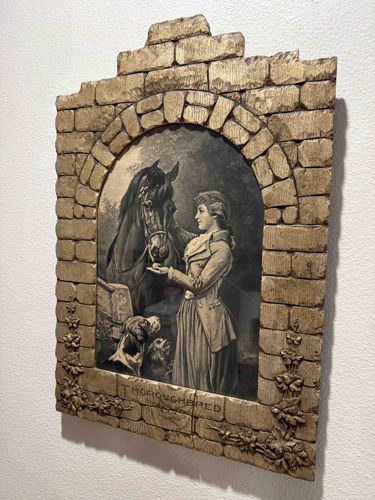
Print By Hardy Dated 1880

AI analysis below

AI appraisal

AI analysis & estimate

AI-Generated · Verify before acting

Everything below is generated by AI for informational purposes only. AI can make mistakes — the AI may misidentify items or misattribute them (artist, maker, brand, designer, origin, era). This is not an official valuation and should not be used for insurance, sale, tax, estate, legal, or lending purposes — or any decision requiring a certified appraisal. It is not an authoritative claim about any person, brand, or rights holder — do not share or rely on it as a factual statement about a third party. Always consult qualified professionals before making financial decisions.

Note

This analysis also relies on unverified notes provided by the user, which may be incomplete or inaccurate and could affect the result.

Read the full disclaimer

AI Identification

·Not independently authenticated·Verify before acting

Victorian Print 'The Thoroughbred' by Heywood Hardy in Architectural Castle Frame

Antique Prints and Art

AI Estimated Value

·Not an official valuation·Verify before acting

$450 - $650

As of June 6, 2026

AI Item Analysis

·AI can make mistakes·Verify before acting
This unique piece features a monochromatic print titled 'The Thoroughbred' after a work by the renowned English painter Heywood Hardy, dated to approximately 1880. The image depicts a Victorian woman in equestrian attire feeding a snack to a large, dark horse, accompanied by two dogs, exemplifying Hardy's mastery of animal portraiture and sporting scenes. The print is characterized by its high-contrast, lithographic appearance, typical of late 19th-century mass-produced art. What makes this item particularly distinctive is its heavy, ornate frame designed to resemble a castle wall or stone archway. Likely constructed from cast plaster or a similar composite material, the frame features a stepped gabled top, a faux-stonework texture with individually defined 'blocks', and decorative floral swags at the bottom corners. The title 'THE THOROUGHBRED' is embossed directly into the stone-like base of the frame. The condition appears fair to good for its age, showcasing a significant aged patina with darkening in the recessed areas of the frame and some visible cracking or surface separation at the bottom center. The monochromatic print shows some minor foxing and typical yellowing of the paper substrate. The craftsmanship of the frame is rustic but intentional, aiming for a romanticized medieval or gothic revival aesthetic popular during the late Victorian era.
AI Appraisal Report

·AI can make mistakes·Verify before acting
I have carefully examined the monochromatic print 'The Thoroughbred' after Heywood Hardy. The work captures the late 19th-century fascination with equestrian social status and Hardy’s signature command of animal anatomy. The primary value driver for this specific piece is not the lithographic print itself—which was widely distributed—but rather the unique 'Architectural Castle' frame. This faux-stonework frame, likely cast from plaster or gesso-on-wood, represents the 'Gothic Revival' or 'Romantic' tastes of the Victorian era. My visual inspection reveals significant age-related patina, including crazing in the frame’s composite material and noticeable foxing on the paper substrate. While these conditions slightly diminish the value, they reinforce the item's antiquity. The market for Victorian sporting prints remains steady, though buyers currently prioritize unique decorative framing over common lithography. Comparables for Hardy prints in standard frames typically range from $150-$250; however, the rarity and 'folk-art' appeal of the castle-style casing justify a higher valuation for collectors of Victorian curiosities. Limitations: This evaluation is based on visual analysis of digital imagery. I cannot definitively verify the substrate material or the structural integrity of the frame's rear. A full authentication would require an in-person examination to inspect for a publisher’s mark under the matting, verify the acidity of the paper, and confirm the frame's composition (e.g., plaster vs. carved wood). Provenance documentation regarding the original purchase or previous ownership would further solidify the date of 1880.

Get your items appraised

Instant estimates of your treasures with AI-powered appraisals

Browse More Appraisals