AI identification & appraisal estimate

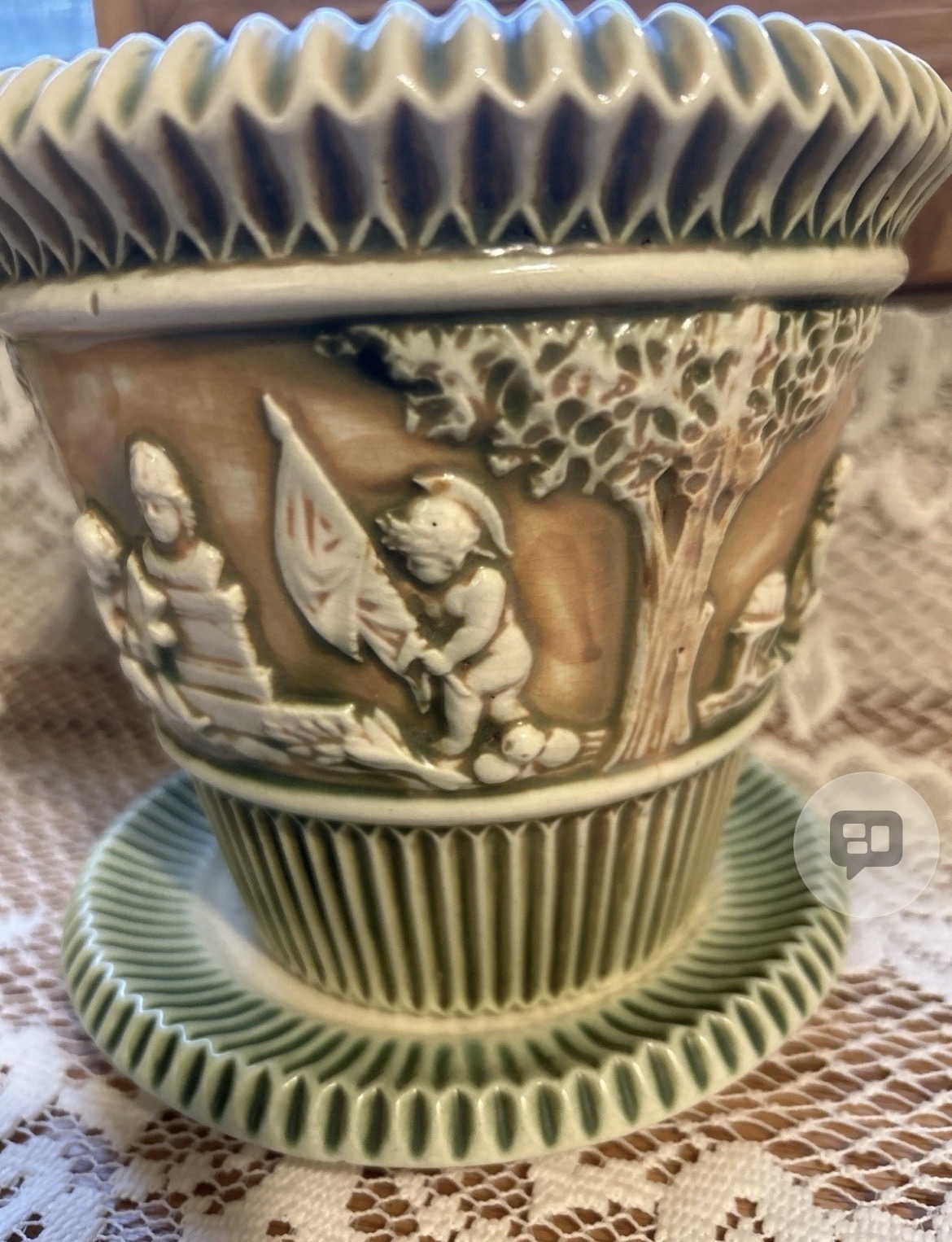
Majolica ceramic planter with figural relief

Submitted photo of Majolica ceramic planter with figural relief
Photo submitted by the user — not generated by AI

User's notes

Cherub planter

These notes were written by the person who submitted this item. Appraiser.AI has not verified them, and the AI's identification and estimate may rely on them.

AI Estimated Value

Not an official valuation

$300-$500

AI estimate as of October 11, 2026 · verify with a professional before acting

AI-Generated · Verify before acting

Everything on this page is generated by AI for informational purposes only. AI can make mistakes — the AI may misidentify items or misattribute them (artist, maker, brand, designer, origin, era). This is not an official valuation and should not be used for insurance, sale, tax, estate, legal, or lending purposes — or any decision requiring a certified appraisal. It is not an authoritative claim about any person, brand, or rights holder — do not share or rely on it as a factual statement about a third party. Always consult qualified professionals before making financial decisions.

This analysis also relies on unverified notes provided by the user, which may be incomplete or inaccurate and could affect the result.

Read the full disclaimer

AI Item Analysis

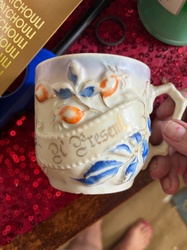
This is a decorative ceramic planter featuring a matching saucer, crafted in a style consistent with Victorian-era Majolica ware. The piece is constructed from earthenware with a molded, high-relief frieze wrapping around the main body, depicting classical or mythological putti or cherubic figures interacting with foliage, trees, and architectural elements. The color palette incorporates rich earthy tones of tan, warm brown, and sage green with a glossy lead-glazed finish. The rim of the planter and the edge of the saucer feature a pronounced, fluted, pleated-edge molding design. The lower section of the planter tapers down into a ribbed, fluted base that sits neatly inside the matching saucer, which shares the same fluted rim pattern. There are no clearly visible maker's marks, signatures, or stamps in the provided photograph, though the piece exhibits characteristics common to European pottery manufacturers of the late 19th or early 20th century. The item appears to be in generally good visual condition with smooth glazes and intact relief work, showing only minor surface wear consistent with age and handling. The identification of this item as a planter is based on the presence of the integrated drainage saucer and the vessel form, aligning with the user-supplied unverified claim describing it as a cherub planter. All attributions regarding age and exact manufacturing origin remain unverified without physical inspection of bottom markings.
AI Appraisal Report

Based on what I can see in the provided photograph, this decorative ceramic planter and matching saucer exhibit stylistic characteristics consistent with Victorian-era Majolica ware, featuring a molded high-relief frieze of putti amid foliage, earthy lead-glazed tones, and fluted edge molding. The owner identifies this as a cherub planter. I can't verify from a photo whether the piece is a period original by a prominent European manufacturer or a later revival copy, as I am unable to inspect the base for maker's marks, stamps, or paste composition. Assuming the attribution to late 19th-century Majolica is correct, comparable pieces of this type and scale typically command between $300 and $500 in the current antiques market, driven by steady collector demand for Victorian figural earthenware. However, would need physical inspection to confirm its age, glaze composition, and manufacturing origin. If physical examination reveals the piece to be a later reproduction, replica, or made 'in the style of' historic Majolica rather than a period piece, the value would significantly decrease, likely falling into the $75 to $150 range. To confirm authenticity and establish a more precise valuation, an in-person examination by a ceramics expert, close inspection of any hidden base markings, and potentially provenance documentation would be required.

Keep exploring

More ceramics and pottery appraisals

Get your items appraised

Instant AI-powered appraisal estimates from a photo

Browse More Appraisals