AI identification & appraisal estimate

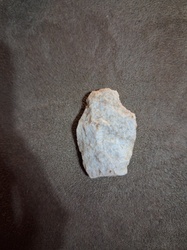
Prehistoric stone tool fragment

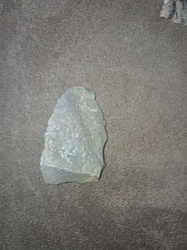
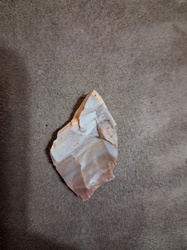
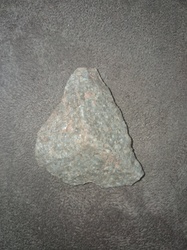
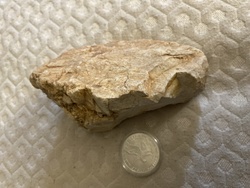
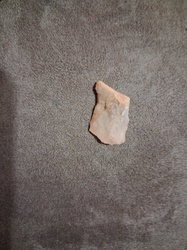
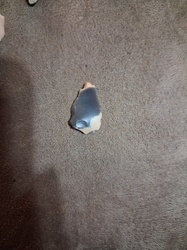
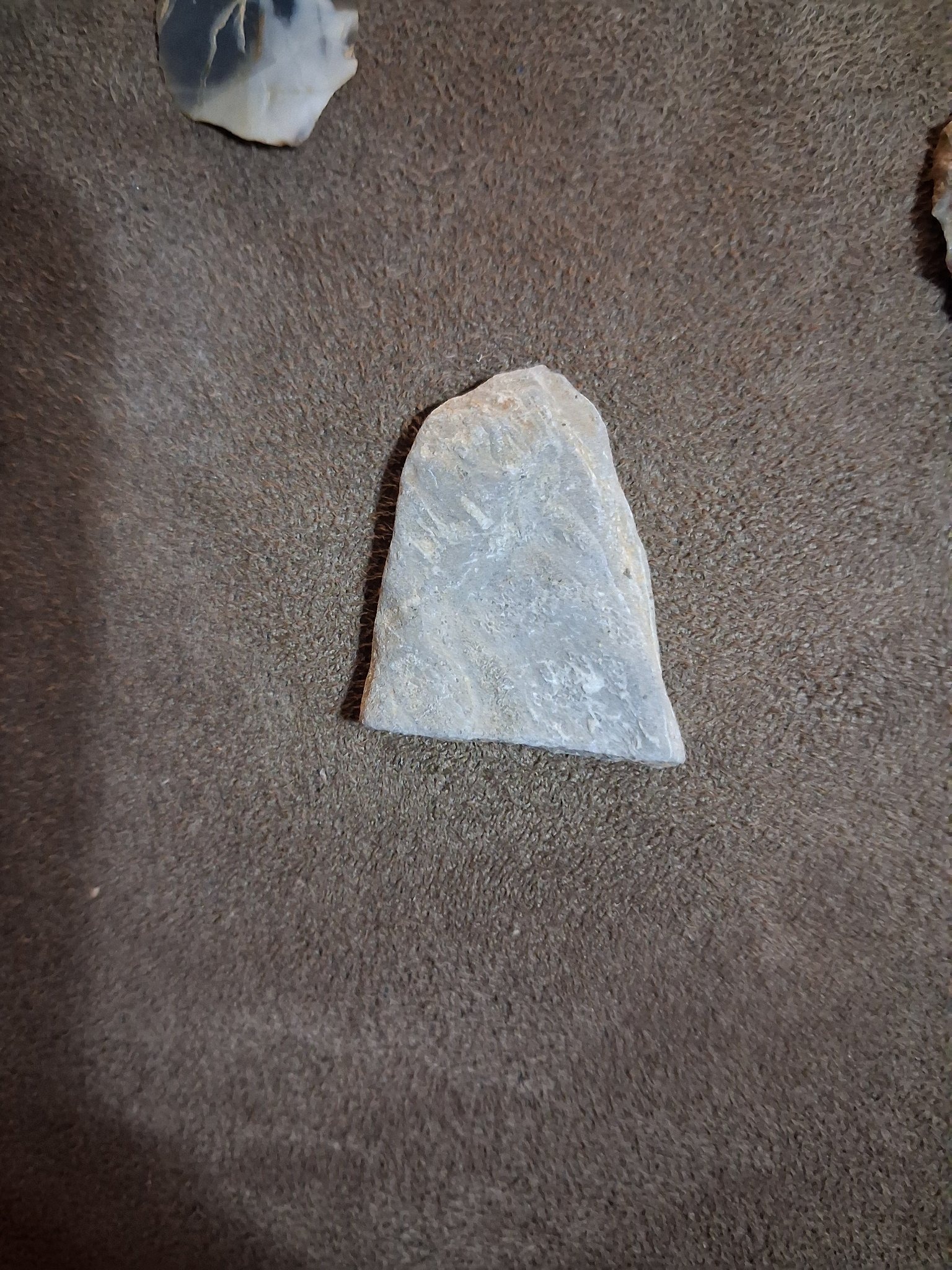
Submitted photo of Prehistoric stone tool fragment
Photo submitted by the user — not generated by AI

AI Estimated Value

Not an official valuation

$50–$150

AI estimate as of September 20, 2026 · verify with a professional before acting

AI-Generated · Verify before acting

Everything on this page is generated by AI for informational purposes only. AI can make mistakes — the AI may misidentify items or misattribute them (artist, maker, brand, designer, origin, era). This is not an official valuation and should not be used for insurance, sale, tax, estate, legal, or lending purposes — or any decision requiring a certified appraisal. It is not an authoritative claim about any person, brand, or rights holder — do not share or rely on it as a factual statement about a third party. Always consult qualified professionals before making financial decisions.

Read the full disclaimer

AI Item Analysis

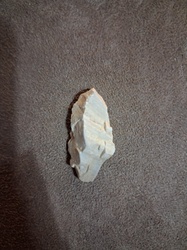
This artifact is a small, grayish stone fragment that appears to be fashioned in the shape of a wedge or a broken celt-style axe blade. The physical material is a dense, fine-grained stone showing natural banding and weathered striations across its flat surfaces. The object measures roughly a few centimeters across, tapering from a wider, straight cutting edge toward a narrower, rounded poll end. There are no visible modern maker's marks, stamps, or legible inscriptions on the piece. The edges exhibit natural wear, old chipping, and a dull patina consistent with archaeological lithic materials recovered from the field. Without formal provenance testing or in-person geological and archaeological analysis, the exact age, cultural affiliation, and functional classification remain unverified. The identification is based purely on the macro-morphology of the stone and its superficial resemblance to prehistoric ground stone tools, though it could also simply be a naturally fractured mineral fragment.
AI Appraisal Report

Based on what I can see in the provided image, this object presents a macro-morphology and surface wear consistent with a prehistoric ground stone tool fragment, specifically resembling a broken celt-style axe blade. I can't verify from a photo whether the material is indeed an ancient artifact or simply a naturally fractured mineral fragment, as would need physical inspection to confirm. The dense, fine-grained stone shows natural banding and weathered striations, but without formal provenance testing or in-person geological and archaeological analysis, the exact age, cultural affiliation, and functional classification remain unverified. General market demand for unprovenanced, surface-collected lithic fragments of this type is modest, driven primarily by casual collectors rather than institutional buyers. Assuming the working hypothesis that the piece is an authentic prehistoric tool fragment, the estimated value range is $50 to $150. However, if physical inspection reveals it to be a natural geological formation with no human modification, or a modern replica, the value would be negligible, likely limited to a few dollars as a geological curiosity. To move beyond this working assumption and establish a higher value, an in-person examination by a qualified archaeologist or lithic specialist, coupled with detailed provenance documentation, would be necessary.

Keep exploring

More archaeological artifacts appraisals

Get your items appraised

Instant AI-powered appraisal estimates from a photo

Browse More Appraisals