AI Appraisal Estimate

AI-generated estimates · not official valuations

From the user

What was submitted

Photo and notes provided by the user — not generated by AI

Submitted item photo
Submitted photo · June 6, 2026

User's notes

No additional notes provided.

AI analysis below

AI appraisal

AI analysis & estimate

AI-Generated · Verify before acting

Everything below is generated by AI for informational purposes only. AI can make mistakes — the AI may misidentify items or misattribute them (artist, maker, brand, designer, origin, era). This is not an official valuation and should not be used for insurance, sale, tax, estate, legal, or lending purposes — or any decision requiring a certified appraisal. It is not an authoritative claim about any person, brand, or rights holder — do not share or rely on it as a factual statement about a third party. Always consult qualified professionals before making financial decisions.

Read the full disclaimer

AI Identification

·Not independently authenticated·Verify before acting

Assorted Collection of International Philatelic Postage Stamps

Philately / Postage Stamps

AI Estimated Value

·Not an official valuation·Verify before acting

$5.00 - $12.00

As of June 6, 2026

AI Item Analysis

·AI can make mistakes·Verify before acting
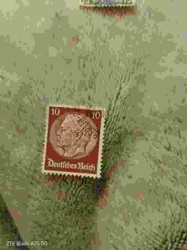
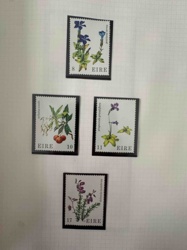
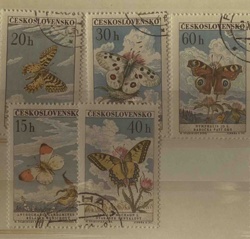
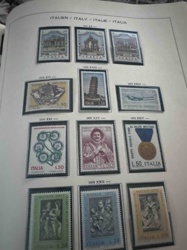
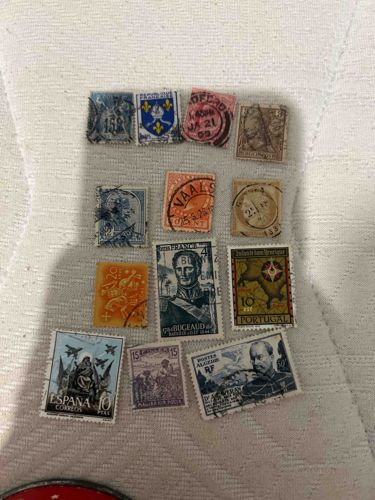
This is a diverse collection of thirteen used philatelic postage stamps from various international origins, primarily spanning the mid-20th century. The collection includes notable examples from France, Portugal, Spain, and North African colonies. Physically, the stamps vary in size from standard 20x24mm rectangles to larger commemorative formats. Materials consist of various grades of wove paper with colored inks using intaglio or lithographic printing processes. Colors range from sepia and monochromatic blues to polychromatic designs, such as the 10-escudo Portuguese stamp featuring a map and crest. Notable markings include diverse cancellations (postmarks) in black ink, indicating they are in 'used' condition. Some stamps, like the French 'Bugeaud' and Algerian 'Postes Algerie' issues, depict historical figures and military motifs, while others feature heraldic shields or local landscapes. Condition issues are visible, including varying degrees of edge perforation wear, light surface creasing, and typical ink staining from postal cancellations (heavy in some cases, like the circular 'VAAL' mark). The craftsmanship reflects mid-century industrial printing quality, with distinct micro-engraving visible on the portraits. These items represent the style of mid-century postal design, likely dating between 1920 and 1960.

AI Appraisal Report

·AI can make mistakes·Verify before acting
I have examined the provided image of thirteen used philatelic postage stamps from various international origins, predominantly mid-20th century European and colonial issues. The collection includes common definitive and commemorative series, such as the French ‘Bugeaud’ issue and Portuguese colonial heraldry. My visual assessment confirms these items are in 'used' condition, categorized as 'fine' to 'very fine' within the context of common philately, despite visible cancellation marks and minor perforation wear. From a market perspective, these specific issues were produced in high volumes, often reaching the millions. Consequently, they are frequently found in general world collections and 'kiloware' mixtures. Based on current market comparables for loose international used stamps of this era, the valuation is nominal. There are no immediate rarities or high-value varieties (such as major plate errors or rare watermarks) visible in this sample. Market demand for these particular issues is steady but low, driven primarily by beginning collectors rather than specialized investors. Factors impacting value include the heavy cancellations on several specimens, which obscure the central design and reduce aesthetic appeal. Authenticity appears consistent with mid-century industrial printing, but photo-only analysis is limited. A physical inspection would be required to verify paper fibers, watermark presence, and the absence of repairs or 're-gumming' (though less relevant for used stamps). Furthermore, some colonial overprints require specialized scientific testing to distinguish genuine imprints from high-quality forgeries. For a definitive valuation, I would recommend checking for specific perforation counts and color shades that may indicate rarer subtypes not distinguishable at this resolution.

Get your items appraised

Instant estimates of your treasures with AI-powered appraisals

Browse More Appraisals