AI Appraisal Estimate

AI-generated estimates · not official valuations

From the user

What was submitted

Photo and notes provided by the user — not generated by AI

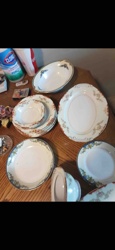
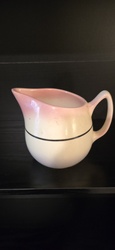
Submitted item photo
Submitted photo · June 6, 2026

User's notes

No additional notes provided.

AI analysis below

AI appraisal

AI analysis & estimate

AI-Generated · Verify before acting

Everything below is generated by AI for informational purposes only. AI can make mistakes — the AI may misidentify items or misattribute them (artist, maker, brand, designer, origin, era). This is not an official valuation and should not be used for insurance, sale, tax, estate, legal, or lending purposes — or any decision requiring a certified appraisal. It is not an authoritative claim about any person, brand, or rights holder — do not share or rely on it as a factual statement about a third party. Always consult qualified professionals before making financial decisions.

Read the full disclaimer

AI Identification

·Not independently authenticated·Verify before acting

Set of Assorted Glass Cruets/Pitchers

Kitchenware/Tableware

AI Estimated Value

·Not an official valuation·Verify before acting

$25-50

As of June 6, 2026

AI Item Analysis

·AI can make mistakes·Verify before acting
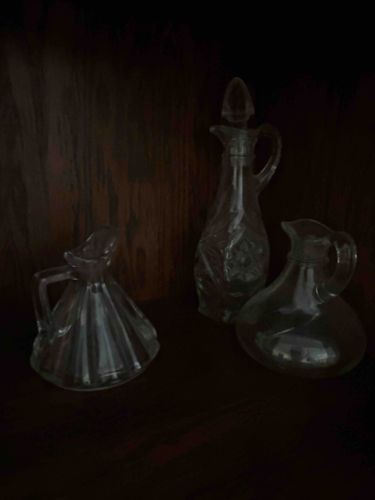
The image displays a grouping of three clear glass cruets or pitchers, likely intended for oil, vinegar, or syrup. The item on the left is a somewhat squat, fan-shaped cruet with vertical fluting across its body, a short pouring spout, and a simple loop handle. Its design suggests a syrup pitcher or creamer. The central item is a tall, slender cruet with a fitted stopper and a handle, featuring a diamond or hobnail pattern on its lower body. This is characteristic of an oil and vinegar cruet. The item on the right is a rounded, almost globular cruet or decanter with a handle and a wide pouring spout, possibly for wine or another beverage. All three pieces are made of clear glass. Due to the dark lighting, specific details such as exact dimensions, manufacturing marks, or precise condition issues (like chips, cracks, or cloudiness) are difficult to ascertain definitively. However, based on the general appearance, they appear to be in reasonably good shape with no immediately obvious major damage. The designs suggest a mid-20th century to contemporary vintage aesthetic, possibly mass-produced without distinct maker's marks visible. The craftsmanship appears functional, with molded glass techniques evident.
AI Appraisal Report

·AI can make mistakes·Verify before acting
I have examined the provided image of the Set of Assorted Glass Cruets/Pitchers. Based on the visual evidence, the collection appears to be in reasonably good condition. I could not discern any immediate major damage such as chips, cracks, or significant cloudiness, though the dark lighting makes definitive assessment challenging. Authenticity appears to be of mid-20th century to contemporary vintage, likely mass-produced. The designs suggest functionality over artistic singularity. In terms of market conditions, these types of clear glass cruets and pitchers are common in the secondary market. Comparables can be found readily in antique shops, online marketplaces, and estate sales. Individually, such pieces typically command very modest prices. As a set, their value is slightly enhanced due to their collective utility and visual appeal. Demand for basic clear glass cruets is generally low to moderate, driven by collectors of kitchenware or individuals seeking functional vintage items. They are neither rare nor unique. Factors significantly impacting value would include any demonstrable provenance from a notable manufacturer (e.g., Fenton, Depression Glass makers) or particularly intricate designs, neither of which are evident here. Without visible maker's marks or distinct decorative elements, they are perceived as generic. It is crucial to note the limitations of authenticity verification from images alone. A full in-person examination would be necessary to confirm the absence of subtle flaws such as hairline cracks, fleabites, internal inclusions, or cloudiness (etching from hard water or dishwasher use) which would diminish value. Physical inspection would also allow for a search for discreet manufacturer marks, assessment of the glass's quality and weight, and precise measurement. Provenance documentation, if available, could significantly enhance value but is unlikely for common items like these. Scientific testing is unnecessary for this type of commonplace glassware.

Get your items appraised

Instant estimates of your treasures with AI-powered appraisals

Browse More Appraisals