AI Appraisal Estimate

AI-generated estimates · not official valuations

From the user

What was submitted

Photo and notes provided by the user — not generated by AI

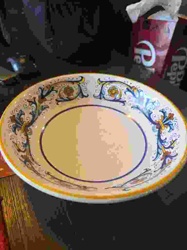
Submitted item photo
Submitted photo · June 22, 2026

User's notes

Bizziri

AI analysis below

AI appraisal

AI analysis & estimate

AI-Generated · Verify before acting

Everything below is generated by AI for informational purposes only. AI can make mistakes — the AI may misidentify items or misattribute them (artist, maker, brand, designer, origin, era). This is not an official valuation and should not be used for insurance, sale, tax, estate, legal, or lending purposes — or any decision requiring a certified appraisal. It is not an authoritative claim about any person, brand, or rights holder — do not share or rely on it as a factual statement about a third party. Always consult qualified professionals before making financial decisions.

Note

This analysis also relies on unverified notes provided by the user, which may be incomplete or inaccurate and could affect the result.

Read the full disclaimer

AI Identification

·Not independently authenticated·Verify before acting

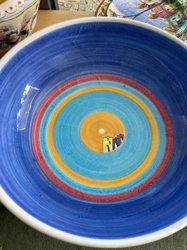
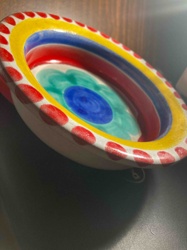
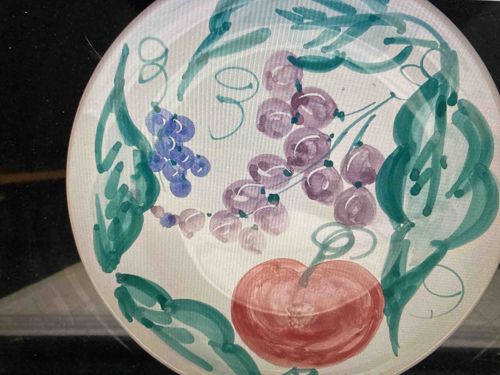
Bizzirri Italian Hand-Painted Ceramic Fruit Basin

Fine Ceramic Housewares / Italian Majolica

AI Estimated Value

·Not an official valuation·Verify before acting

$125.00 - $175.00

As of June 22, 2026

AI Item Analysis

·AI can make mistakes·Verify before acting
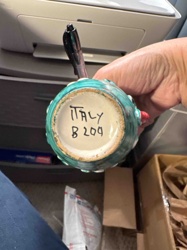
This is a circular ceramic basin or shallow bowl produced by Bizzirri, an established ceramic studio in Città di Castello, Italy. The piece features a traditional majolica style with a creamy white background glaze. The central motif is a hand-painted harvest scene depicting a large terracotta-red orchard fruit (likely an apple or peach) at the base, flanked by clusters of purple grapes and smaller blue berries. The composition is framed by vibrant, expressive green foliage using a swift, gestural brushwork technique characteristic of Umbrian folk art. The brushstrokes are loose and painterly, showing varying opacities where the glaze pools. The construction is a heavy earthenware, typical of Mediterranean pottery intended for both decorative and functional use. While the underside is not visible, the style typically carries the 'Bizzirri' signature or 'Italy' stamp. The condition appears excellent with a high-gloss finish; there are no immediate signs of crazing, chips, or surface losses visible in the image. This style reflects a late 20th to early 21st-century interpretation of classic Italian Renaissance ceramics, blending rustic charm with contemporary artistic flair. The quality is indicated by the rhythmic flow of the painted vines and the depth of the pigment in the grape clusters.
AI Appraisal Report

·AI can make mistakes·Verify before acting
I have examined the digital representation of the Bizzirri Italian Hand-Painted Ceramic Fruit Basin. The piece exhibits the hallmark characteristics of high-quality Umbrian majolica, specifically the bold, gestural brushwork and saturated palette associated with the Bizzirri studio in Città di Castello. The glaze application shows proper pooling in the foliate details, suggesting a genuine hand-painted process rather than a transfer print. From the visual evidence, the condition is excellent; the high-gloss finish lacks visible crazing or 'pitting,' which often affects contemporary earthenware. The market for Bizzirri is stable, though it serves primarily as a luxury giftware or high-end functional ceramic rather than a fine art investment. Comparables for 12-16 inch basins from this maker typically realize between $100 and $200 in secondary markets like prestigious estate auctions or specialized vintage boutiques. The value is driven by the 'Made in Italy' provenance and the specific aesthetic appeal of the harvest motif. However, while the stylistic markers are consistent with Bizzirri, the absence of a physical inspection of the underside signature and foot-rim limits a definitive authentication. Digital images cannot reveal structural micro-fissures or professional restorations. For full authentication, I would require an in-person examination to verify the tactile texture of the glaze, the presence of the 'Bizzirri' or 'Italy' stamp, and the weight of the earthenware body. No scientific testing is required, but original purchase documentation from an authorized Italian importer would bolster the provenance.

Get your items appraised

Instant estimates of your treasures with AI-powered appraisals

Browse More Appraisals