AI Appraisal Estimate

AI-generated estimates · not official valuations

From the user

What was submitted

Photo and notes provided by the user — not generated by AI

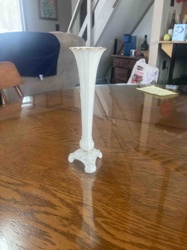
Submitted item photo
Submitted photo · June 10, 2026

User's notes

No additional notes provided.

AI analysis below

AI appraisal

AI analysis & estimate

AI-Generated · Verify before acting

Everything below is generated by AI for informational purposes only. AI can make mistakes — the AI may misidentify items or misattribute them (artist, maker, brand, designer, origin, era). This is not an official valuation and should not be used for insurance, sale, tax, estate, legal, or lending purposes — or any decision requiring a certified appraisal. It is not an authoritative claim about any person, brand, or rights holder — do not share or rely on it as a factual statement about a third party. Always consult qualified professionals before making financial decisions.

Read the full disclaimer

AI Identification

·Not independently authenticated·Verify before acting

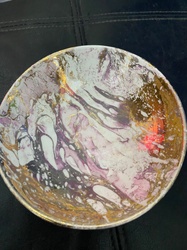
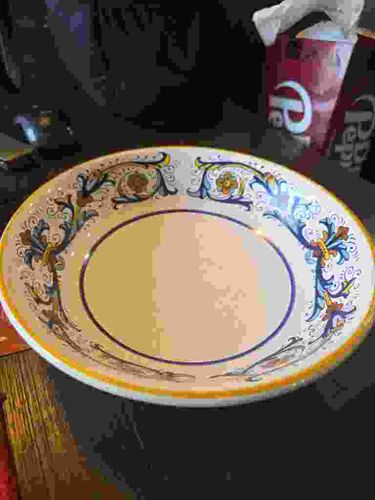
Deruta Style Italian Majolica Ceramic Serving Bowl

Decorative Arts / Ceramics

AI Estimated Value

·Not an official valuation·Verify before acting

$45.00 - $85.00

As of June 10, 2026

AI Item Analysis

·AI can make mistakes·Verify before acting
This item is a shallow ceramic serving bowl, likely crafted from earthenware or terracotta and finished with a traditional tin-glaze characteristic of Italian majolica. The piece measures approximately 10 to 12 inches in diameter and features a cream or off-white base glaze. The decoration follows a classic Deruta 'Raffaellesco' or 'Ricco Deruta' style, consisting of hand-painted scrolling acanthus leaves, stylized floral motifs, and linear borders. The palette utilizes traditional cobalt blue, ochre yellow, burnt orange, and sage green pigments. A prominent yellow band defines the outer rim, while a thin blue band separates the central well from the decorated cavetto. The brushwork appears deliberate, indicating a hand-rendered process rather than a mechanical transfer, which points to artisanal craftsmanship. The glaze exhibits a high-gloss finish, though visual inspection suggests some minor surface scuffing and light scratches consistent with domestic use. While no maker's mark is visible from this angle, the style is synonymous with late 20th-century Italian pottery production from the Umbria region. The bowl appears structurally sound with no large cracks or chips visible, though fine crazing in the glaze would be typical for an item of this age and material composition.
AI Appraisal Report

·AI can make mistakes·Verify before acting
I have virtually examined this shallow ceramic serving bowl, which displays the hallmark characteristics of Deruta-style Italian majolica. The 'Raffaellesco' inspired motif, featuring scrolling acanthus leaves and a classic cobalt and ochre palette, suggests a mid-to-late 20th-century origin. Based on the visual evidence, the craftsmanship is indicative of a quality commercial artisanal workshop in the Umbria region. The condition appears 'Good' for its age; while I note minor surface scuffing and expected glaze crazing, the structural integrity remains intact without visible rim chips. From a market perspective, mid-century and modern Italian majolica remains a stable segment of the decorative arts market, though it is currently in high supply. These pieces are valued more as functional decorative housewares than as rare collector's items. The absence of a visible factory mark (such as Sberna or Grazia) suggests a smaller workshop or a private label production for an importer, which limits the premium value. Factors positively impacting the value include the popular 12-inch diameter and the density of the hand-painted decoration. Limitations: This appraisal is based solely on digital imagery. A physical inspection is required to confirm the presence of a maker's mark on the underside and to rule out professional restoration or 'cold-painting' over chips. Authenticity as 'Hand-Painted in Italy' could be further verified by checking the foot ring for kiln marks and identifying the specific clay body. For a definitive valuation, I would recommend reviewing the original purchase provenance or any export stamps.

Get your items appraised

Instant estimates of your treasures with AI-powered appraisals

Browse More Appraisals