AI Appraisal Estimate

AI-generated estimates · not official valuations

From the user

What was submitted

Photo and notes provided by the user — not generated by AI

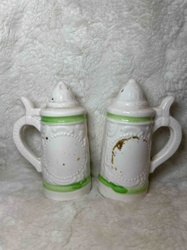
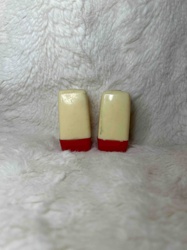
Submitted item photo
Submitted photo · June 9, 2026

User's notes

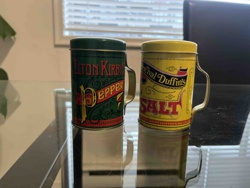
Salt and pepper

AI analysis below

AI appraisal

AI analysis & estimate

AI-Generated · Verify before acting

Everything below is generated by AI for informational purposes only. AI can make mistakes — the AI may misidentify items or misattribute them (artist, maker, brand, designer, origin, era). This is not an official valuation and should not be used for insurance, sale, tax, estate, legal, or lending purposes — or any decision requiring a certified appraisal. It is not an authoritative claim about any person, brand, or rights holder — do not share or rely on it as a factual statement about a third party. Always consult qualified professionals before making financial decisions.

Note

This analysis also relies on unverified notes provided by the user, which may be incomplete or inaccurate and could affect the result.

Read the full disclaimer

AI Identification

·Not independently authenticated·Verify before acting

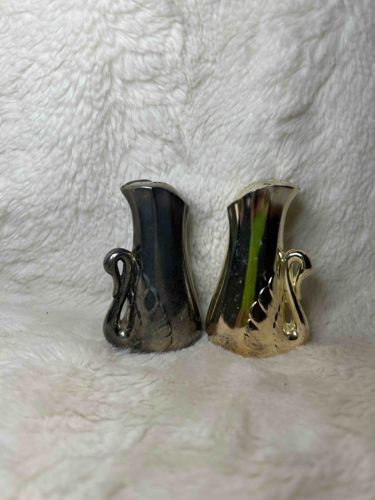
Vintage Silver and Gold Tone Swan Pitcher Salt and Pepper Shakers

Vintage Kitchenware / Collectible Salt and Pepper Shakers

AI Estimated Value

·Not an official valuation·Verify before acting

$10 - $25

As of June 9, 2026

AI Item Analysis

·AI can make mistakes·Verify before acting
A pair of vintage salt and pepper shakers designed in the shape of elegant, stylized swan pitchers. Both pieces feature a high-gloss metallic finish: one in a dark, tarnished silver or gunmetal tone, and the other in a bright yellow gold-tone plating. The shakers are crafted with a curved handle that mimics the graceful neck and head of a swan, while the body of the 'pitcher' serves as the reservoir for the spices. Each shaker displays molded feather detailing along the base of the handle area. The construction appears to be cast metal, likely a zinc alloy or pot metal with thin electroplated finishes. Regarding condition, the silver-toned shaker shows significant surface oxidation and darkening (patina), while the gold-toned shaker exhibits some pitting near the base and light surface scratches consistent with age and use. There are no visible maker's marks on the exterior, though they likely date to the mid-20th century (circa 1950s-1970s), a period when novelty metallic tablewares were popular. The craftsmanship is of standard mass-market quality for the era, designed for decorative domestic use. The tapered tops feature a small cluster of dispensing holes.
AI Appraisal Report

·AI can make mistakes·Verify before acting
Based on my visual examination of these vintage swan pitcher salt and pepper shakers, they are characteristic examples of mid-20th-century novelty tableware, likely produced between the 1950s and 1970s. The design, featuring stylized swan necks serving as handles, was a common motif in mass-market decorative metalware of this era. The construction appears to be a die-cast zinc alloy or pot metal with electroplated finishes—one in a silver tone (likely intended to mimic sterling or silver plate) and the other in a gold tone. The condition significantly impacts the value. The silver-toned shaker exhibits heavy oxidation and a darkened patina that goes beyond simple tarnishing, suggesting potential loss of the plating. The gold-toned shaker shows visible pitting near the base, which is permanent damage common to plated pot metal. While charming, these are not high-end luxury items (like those made by Godinger or prestigious silversmiths) but rather kitschy, domestic collectibles. Market demand for unmarked, mid-century plated shakers is relatively flat, mostly driven by collectors of specific animal motifs or nostalgic kitchenware. Similar sets, when in pristine condition, can fetch slightly higher prices, but the wear evident here places them firmly in the lower tier of collectible value. Without an in-person inspection, I cannot confirm the specific metal alloy or check the interior for corrosion, which would further affect usability. Additionally, locating a maker's mark (often hidden on the bottom or near the fill plugs) would confirm the manufacturer, though it is unlikely to drastically alter the appraisal given the material condition.

Get your items appraised

Instant estimates of your treasures with AI-powered appraisals

Browse More Appraisals