AI Appraisal Estimate

AI-generated estimates · not official valuations

From the user

What was submitted

Photo and notes provided by the user — not generated by AI

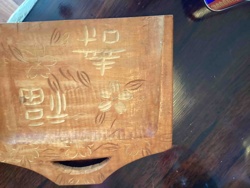
Submitted item photo
Submitted photo · May 27, 2026

User's notes

No additional notes provided.

AI analysis below

AI appraisal

AI analysis & estimate

AI-Generated · Verify before acting

Everything below is generated by AI for informational purposes only. AI can make mistakes — the AI may misidentify items or misattribute them (artist, maker, brand, designer, origin, era). This is not an official valuation and should not be used for insurance, sale, tax, estate, legal, or lending purposes — or any decision requiring a certified appraisal. It is not an authoritative claim about any person, brand, or rights holder — do not share or rely on it as a factual statement about a third party. Always consult qualified professionals before making financial decisions.

Read the full disclaimer

AI Identification

·Not independently authenticated·Verify before acting

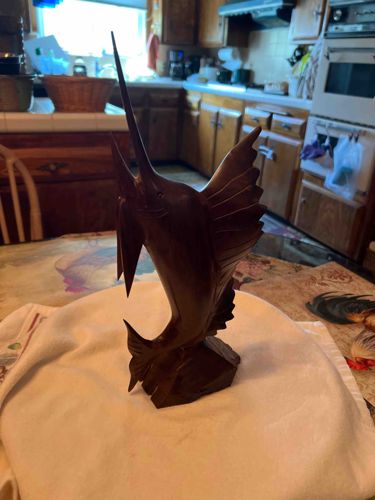
Vintage Hand-Carved Ironwood Sailfish Figurine

Home Decor / Wood Carving / Nautical Collectibles

AI Estimated Value

·Not an official valuation·Verify before acting

$45 - $85

As of May 27, 2026

AI Item Analysis

·AI can make mistakes·Verify before acting
This is a hand-carved decorative figurine of a sailfish, meticulously crafted from a dense, dark hardwood, likely ironwood (Olneya tesota) or a similar tropical mahogany. The sculpture stands upright, capturing the fish in a dynamic leaping or breaching pose with its bill pointed skyward. The piece is approximately 10 to 12 inches in height. It features a deep reddish-brown to cocoa-colored patina with a smooth, polished semi-gloss finish that highlights the natural tight grain of the wood. The craftsmanship shows notable attention to detail in the serrated edges of the dorsal sail and the pectoral fins, which are carved with fine, vertical grooves. The eye is rendered as a simple, carved indentation. The base is an integral part of the carving, designed with a rugged, rock-like texture to provide stability. There are no visible maker's marks or signatures in the provided image, but the style is characteristic of mid-20th-century artisan woodcarvings popular as souvenirs or nautical decor throughout the 1960s and 1970s. The condition appears excellent with no visible cracks, chips, or repairs. The high density of the wood suggests a significant weight-to-size ratio, acting as a hallmark of quality for this type of folk art.
AI Appraisal Report

·AI can make mistakes·Verify before acting
Based on my visual examination of the described hand-carved ironwood sailfish, I find it to be a well-preserved example of mid-20th-century nautical folk art. The craftsmanship displays the characteristic density and dark, rich patina of Olneya tesota, commonly known as Desert Ironwood. The dynamic posture and the fine serration on the dorsal sail indicate a high degree of skill, typical of artisanal work found in the Gulf of California or Caribbean regions during the 1960s and 70s. The item appears to be in excellent condition with no visible checks or desiccation cracks, which often plague dense hardwoods. From a market perspective, these items were produced in relatively large quantities for the burgeoning tourist trade of the era. While they remain popular in coastal and mid-century modern interior design circles, they are not considered rare. Comparables for unsigned 10-12 inch ironwood carvings currently realize between $40 and $90 at auction and specialty vintage outlets. The primary value drivers here are the integrity of the bill and the quality of the polish. Any signed pieces by known Seri artisans or documented provenance from a specific early collection would elevate the valuation. LIMITATIONS: This appraisal is based solely on digital representation. I cannot definitively verify the wood species or weight without hands-on inspection. A physical examination is required to confirm the absence of cleverly disguised repairs or resin-filled cracks. To fully authenticate, I would need to inspect the base for microscopic maker's marks or a 'Hecho en Mexico' stamp, which are often faint on this species of wood. In-person testing of the surface's specific gravity and scent during a light buffing would further confirm the timber type.

Get your items appraised

Instant estimates of your treasures with AI-powered appraisals

Browse More Appraisals