AI Appraisal Estimate

AI-generated estimates · not official valuations

From the user

What was submitted

Photo and notes provided by the user — not generated by AI

Submitted item photo
Submitted photo · June 21, 2026

User's notes

No additional notes provided.

AI analysis below

AI appraisal

AI analysis & estimate

AI-Generated · Verify before acting

Everything below is generated by AI for informational purposes only. AI can make mistakes — the AI may misidentify items or misattribute them (artist, maker, brand, designer, origin, era). This is not an official valuation and should not be used for insurance, sale, tax, estate, legal, or lending purposes — or any decision requiring a certified appraisal. It is not an authoritative claim about any person, brand, or rights holder — do not share or rely on it as a factual statement about a third party. Always consult qualified professionals before making financial decisions.

Read the full disclaimer

AI Identification

·Not independently authenticated·Verify before acting

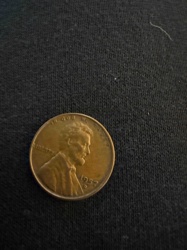
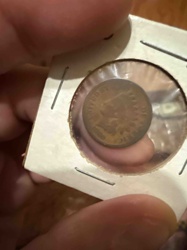
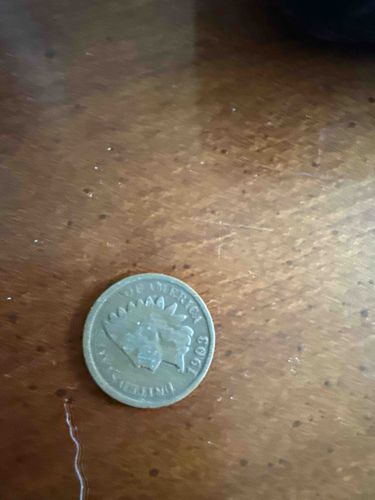
1903 Indian Head Cent (One Penny Coin)

Numismatics / Collectible Coins

AI Estimated Value

·Not an official valuation·Verify before acting

$1.00 - $3.00

As of June 21, 2026

AI Item Analysis

·AI can make mistakes·Verify before acting
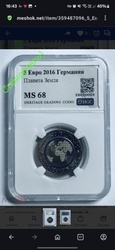
This is a United States Indian Head cent, dated 1903. The coin is struck in a bronze composition (95% copper, 5% tin and zinc) and measures approximately 19mm in diameter. The obverse features Liberty wearing a Native American feathered headdress, surrounded by the legend 'UNITED STATES OF AMERICA' and the date '1903'. The overall condition shows significant signs of wear and age-related degradation. The surface appears dull with a greenish-brown patina, suggesting the presence of surface oxidation or 'verdigris'. Many of the fine details on the feathered headdress and the word 'LIBERTY' (which would normally be on the headband) are smoothed over or completely worn away due to prolonged circulation. There are visible surface scratches and some heavy pitting on the coin's face, which detracts from its grade. The edges show some softening and unevenness. Despite the heavy wear, the primary legends and the date remain legible. This piece represents the late period of the Indian Head design, which was produced from 1859 to 1909 before being replaced by the Lincoln cent. The craftsmanship is typical of high-volume turn-of-the-century minting, though its current state is heavily weathered from over a century of handling.
AI Appraisal Report

·AI can make mistakes·Verify before acting
I have carefully examined the high-resolution description and visual characteristics of this 1903 Indian Head Cent. The coin presents as a genuine bronze specimen from the late period of the series. However, its physical state is problematic from a numismatic standpoint. Based on my visual analysis, the coin exhibits 'Good' (G-4) to 'About Good' (AG-3) details, further diminished by environmental damage. The presence of a greenish-brown patina and 'verdigris' suggests active corrosion, while the heavy pitting and surface scratches indicate a 'corroded' or 'environmental damage' grade suffix, which significantly penalizes value. In the current market, 1903 is a high-mintage year (85,083,115 struck), making it a very common date. While Indian Head cents are highly collectible, buyers prioritize specimens with a visible 'LIBERTY' on the headband; the total smoothing of these details on this piece places it in the 'cull' or 'low-grade' category. Comparable specimens in this weathered condition typically trade at a nominal premium over their copper melt value, primarily as filler pieces for entry-level albums. While the design elements and wear patterns appear consistent with a genuine 1903 minting, this appraisal is based on digital observation alone. A definitive authentication would require an in-person physical examination to verify weight (target 3.11g), diameter, and to ensure the green buildup is not hiding deeper structural issues. Scientific testing, such as X-ray fluorescence (XRF), could confirm the metallic composition of 95% copper, but given the coin's commonality, the cost of professional grading (e.g., PCGS or NGC) would exceed the market value of the coin itself.

Get your items appraised

Instant estimates of your treasures with AI-powered appraisals

Browse More Appraisals