AI Appraisal Estimate

AI-generated estimates · not official valuations

From the user

What was submitted

Photo and notes provided by the user — not generated by AI

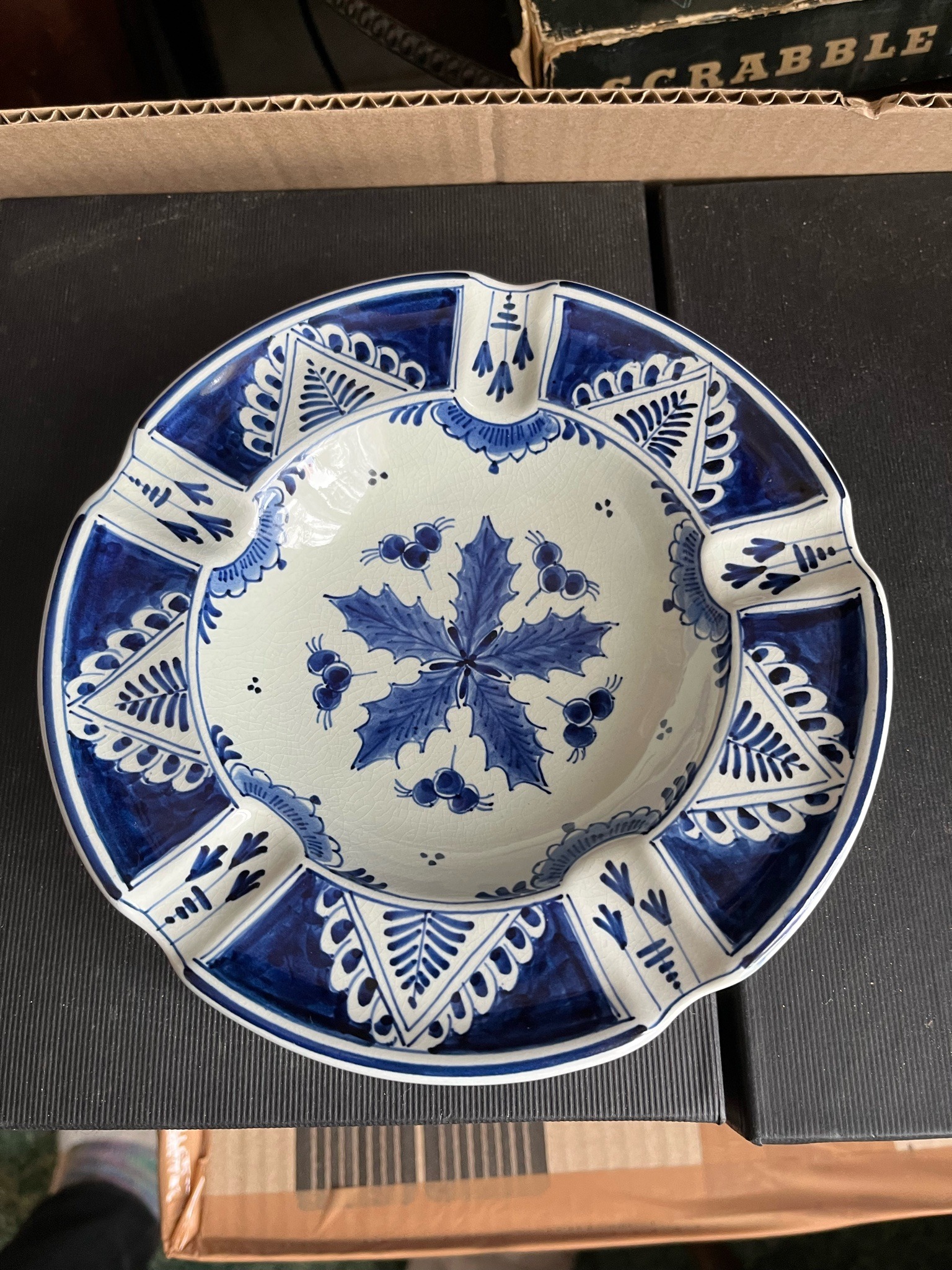
Submitted item photo
Submitted photo · June 3, 2026

User's notes

Hand signed vintage ashtray

AI analysis below

AI appraisal

AI analysis & estimate

AI-Generated · Verify before acting

Everything below is generated by AI for informational purposes only. AI can make mistakes — the AI may misidentify items or misattribute them (artist, maker, brand, designer, origin, era). This is not an official valuation and should not be used for insurance, sale, tax, estate, legal, or lending purposes — or any decision requiring a certified appraisal. It is not an authoritative claim about any person, brand, or rights holder — do not share or rely on it as a factual statement about a third party. Always consult qualified professionals before making financial decisions.

Note

This analysis also relies on unverified notes provided by the user, which may be incomplete or inaccurate and could affect the result.

Read the full disclaimer

AI Identification

·Not independently authenticated·Verify before acting

Vintage Delft Blue Pottery Ashtray

Antique Ceramics & Collectibles

AI Estimated Value

·Not an official valuation·Verify before acting

$45.00 - $85.00

As of June 3, 2026

AI Item Analysis

·AI can make mistakes·Verify before acting
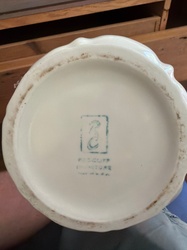
This is a vintage circular ceramic ashtray featuring traditional Delft Blue hand-painted motifs. The piece is constructed from white glazed earthenware with five distinct cigarette rests (notches) integrated into its scalloped rim. The central well displays a prominent six-pointed leaf or floral star motif, surrounded by clusters of berries and stylized geometric borders. The rim is divided into sections with alternating panels of Solid cobalt blue fields and triangular lace-like patterns containing fern or feather details. The overall color palette is a classic high-contrast combination of deep cobalt blue and a creamy off-white background. Notable is the presence of fine 'crazing' (a network of hairline cracks in the glaze) across the surface, which is a common characteristic of aged tin-glazed earthenware and authenticates its vintage status. The craftsmanship shows slightly irregular hand-painted linework, adding to its unique charm. The ashtray reflects a mid-20th-century interpretation of 17th-century Dutch Delftware styles. Based on the user's context, the underside likely bears a hand-signed potter's mark or manufacturer's stamp, such as 'Delfts Blauw' or a specific artisan's initials, which would confirm its provenance.
AI Appraisal Report

·AI can make mistakes·Verify before acting
Based on my examination of the high-contrast cobalt motifs and the characteristic scalloped rim, I have identified this as a mid-20th-century ceramic ashtray executed in the traditional Dutch Delft style. The presence of uniform surface crazing is consistent with the aging of tin-glazed earthenware, suggesting an age of approximately 50 to 70 years. The hand-painted quality, evidenced by the slightly irregular linework in the central floral star and geometric borders, adds a level of artisanal appeal above mass-produced transferware. The market for mid-century Delftware remains stable but saturated. Comparables for signed circular ashtrays of this size generally realize between $35 and $100 depending on the specific manufacturer (such as Royal Delft/De Porceleyne Fles vs. smaller studios). The 'hand-signed' designation mentioned by the owner is a significant value driver; however, without a clear view of the maker's mark, I cannot determine if this was produced by a premier factory or a lesser-known giftware studio. Positive factors include the vibrant color retention and the presence of five intact notches. A primary limitation of this digital assessment is the inability to distinguish between genuine tin-glaze and modern chemical glazes, or to detect professional restorations to the rim's scallops. For a definitive authentication, an in-person inspection is required to analyze the weight and porosity of the earthenware and to compare the potter's signature against known catalogs of Dutch ceramic marks. Provenance documentation, such as original purchase receipts or import records, would further solidify its market position.

Get your items appraised

Instant estimates of your treasures with AI-powered appraisals

Browse More Appraisals