AI estimate as of September 22, 2025 · verify with a professional before acting
AI-Generated · Verify before acting
Everything on this page is generated by AI for informational purposes only. AI can make mistakes — the AI may misidentify items or misattribute them (artist, maker, brand, designer, origin, era). This is not an official valuation and should not be used for insurance, sale, tax, estate, legal, or lending purposes — or any decision requiring a certified appraisal. It is not an authoritative claim about any person, brand, or rights holder — do not share or rely on it as a factual statement about a third party. Always consult qualified professionals before making financial decisions.
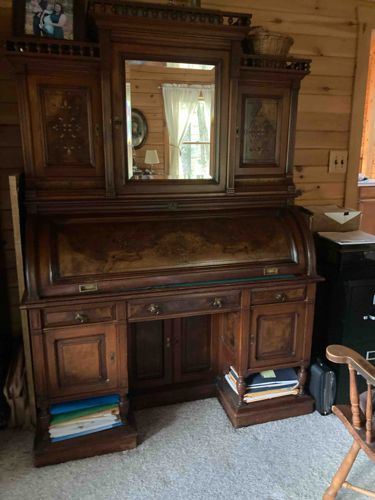
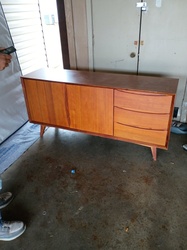
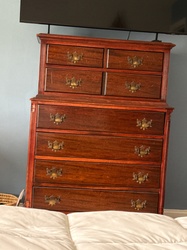
This is a substantial and ornate roll-top desk, characteristic of the late 19th-century Victorian era. Constructed primarily from dark, possibly walnut or mahogany, wood, it features a rich, polished finish. The desk is composed of a lower roll-top section and an integrated hutch superstructure. The lower desk unit includes a central kneehole space flanked by two pedestals, each containing drawers and cabinet doors. The visible drawers feature small, ornate brass or bronze pulls. The roll-top itself appears to be made from multiple thin wooden slats, creating a curved surface that retracts to reveal the writing surface and interior compartments (though these are not visible in the image). The wood grain on the roll-top and cabinet panels exhibits distinctive burled or figured patterns, indicating a higher quality of wood selection. Above the writing surface, just below the hutch, there are what appear to be two small, pull-out slides, possibly for extra workspace or ledger rests. The hutch portion is highly detailed, featuring a central rectangular mirror set within a recessed frame. Flanking the mirror are two small cabinet doors, each adorned with intricate marquetry or inlaid designs, likely depicting floral or foliate motifs. Above these cabinets and the mirror, the hutch is topped with a decorative cornice featuring carved or fretwork details, suggesting a Gothic Revival or Aesthetic Movement influence. The overall construction appears solid and well-made, indicative of fine craftsmanship. Minor wear consistent with age and use is suggested by the patina and slight surface imperfections, though no significant damage like cracks or missing pieces are evident. The design emphasizes both functionality and elaborate aesthetics, typical of furniture from its estimated period.
AI Appraisal Report
Based on my visual examination of the provided image, this Victorian Era Roll-top Desk with Hutch and Mirror presents as a substantial and well-preserved piece. The dark wood, likely walnut or mahogany, exhibits a rich finish and notable burled or figured grain, indicative of quality timber selection from the late 19th century. The ornate brass/bronze pulls, intricate marquetry on the hutch doors (suggesting floral or foliate motifs), and decorative cornice with carved elements point towards a Gothic Revival or Aesthetic Movement influence, appealing to collectors of period furniture. Functionally, the roll-top mechanism, multiple drawers, and integrated hutch with mirror offer significant utility alongside elaborate aesthetics. The overall construction appears solid and well-made, consistent with fine craftsmanship of the era. The condition appears to be very good for its age, showing a desirable patina and minor wear rather than significant damage like cracks or missing pieces, which positively impacts its value.
Market conditions for large, ornate Victorian furniture, while not as buoyant as minimalist mid-century pieces, remain stable for high-quality examples. Comparables for similar-sized, well-appointed Victorian roll-top desks with integrated hutches typically range from $2,500 to $6,000, depending heavily on condition, wood type, and decorative elements. This specific piece's elaborate hutch and apparent excellent condition place it at the higher end of this spectrum. Demand exists among collectors of antique office furniture, period decorators, and those furnishing historic homes.
Factors significantly impacting value include its comprehensive design (desk, hutch, mirror), apparent excellent original condition, and detailed craftsmanship. The intricacy of the carving and inlay work elevates its appeal. Rarity is moderate; while roll-top desks are not exceptionally rare, one in this condition with such elaborate integrated features is less common.
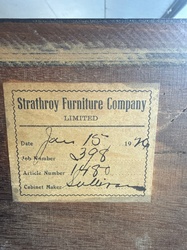
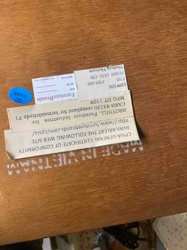
My primary limitation in authentication and valuation from images alone is the inability to physically inspect the piece. A hands-on examination would allow me to verify the wood species definitively, assess the structural integrity, inspect the interior compartments and roll-top mechanism for flawless operation, and detect any professional restorations that might affect value. I would also look for maker's marks or labels crucial for provenance. Without in-person inspection or provenance documentation, definitively confirming the precise age and originality of all components, particularly the inlays, remains an assumption based on visual cues.